Look, artificial turf companies… it’s been a wild year, honestly. Everyone’s chasing ‘sustainable’, ‘long-lasting’, ‘low maintenance’. Seems simple, right? But getting there? That’s the headache. Been all over China the last twelve months, watching factories churn this stuff out, and you wouldn’t believe the variations.
It's not just about slapping some plastic grass down anymore. It’s about the backing, the pile height, the infill… the whole shebang. Everyone thinks they know what they want until they actually see it installed and realize it’s not quite what they envisioned. You gotta be on-site, hands dirty, to understand.
And don’t even get me started on the marketing hype. “Lifespan of 15 years!” Yeah, maybe in a lab. In the real world? Depends on the UV index, foot traffic, whether some kid decides to light it on fire… things happen.
The Current Landscape of artificial turf companies
What's trending? Bio-based polymers, absolutely. Trying to move away from pure polyethylene and polypropylene. It's a slow burn, mind you. The stuff doesn't perform quite as well yet, but the demand is there. And everyone's obsessed with infill. Cork, coconut fibers… people want to avoid those crumb rubber concerns, even if the alternatives are pricier.
Honestly, it’s a fragmented market. A lot of small players, mostly focused on residential lawns. A few bigger companies dominating the sports field side of things. And then you’ve got the Chinese manufacturers, churning out volume… quality control can be a bit hit or miss over there, let me tell you.
Design Pitfalls and Common Mistakes in artificial turf companies
Pile height is a big one. People see a lush, long pile and think ‘luxury.’ But that long pile mats down fast. Then you’ve got drainage. It's always an afterthought, isn't it? “Oh, we'll just slope it a little.” Nope. You need a proper sub-base, geotextile fabric, drainage channels... Or you’ll end up with a swamp.
Another trap? Underestimating the importance of seaming. If the seams aren't done right, you'll get visible lines, uneven wear, and water pooling. It looks terrible, and it’s a pain to fix. I encountered this at a factory in Ningbo last time – they were using a cheap adhesive, and the seams were splitting within weeks.
And the color! Some companies go way too bright, trying to mimic that 'perfect' green. Looks… fake. A more natural, blended color palette is almost always the better choice.
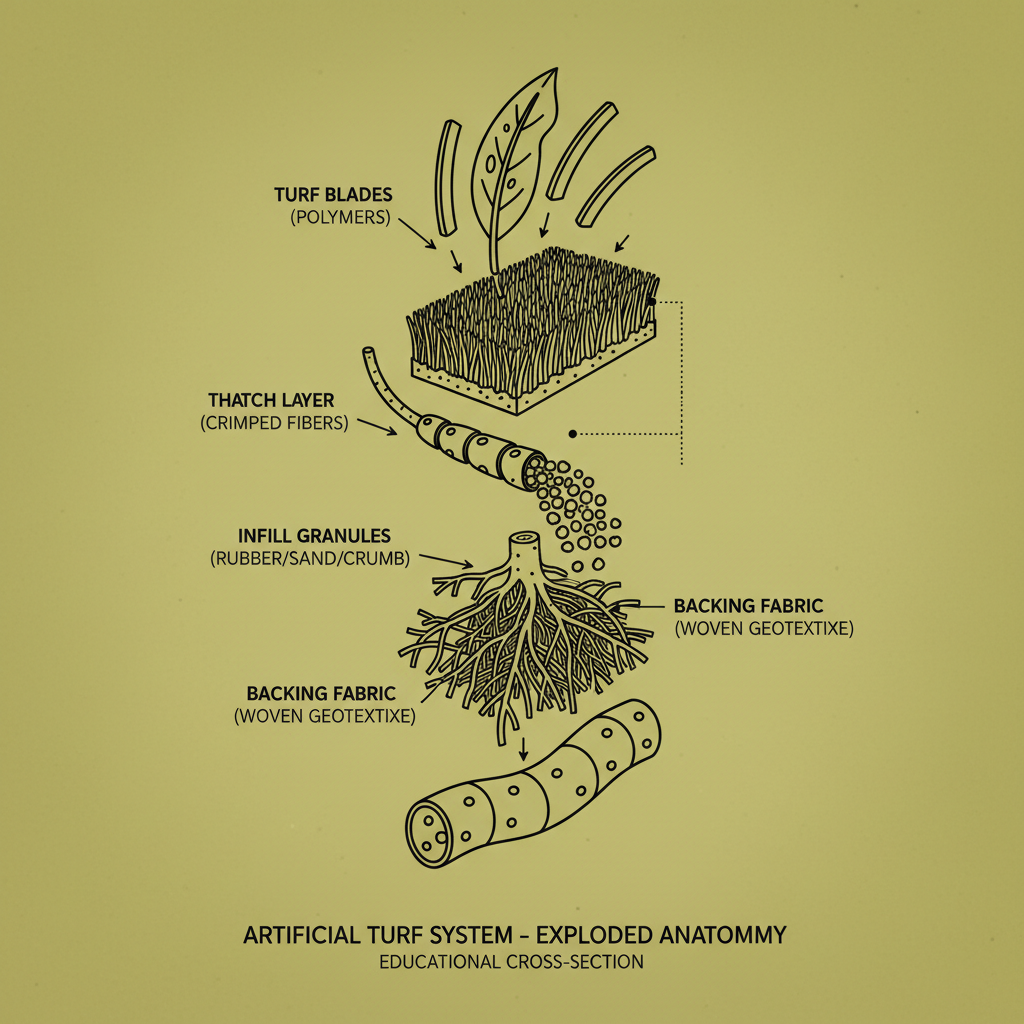
Materials Breakdown: What’s Underneath the Green in artificial turf companies
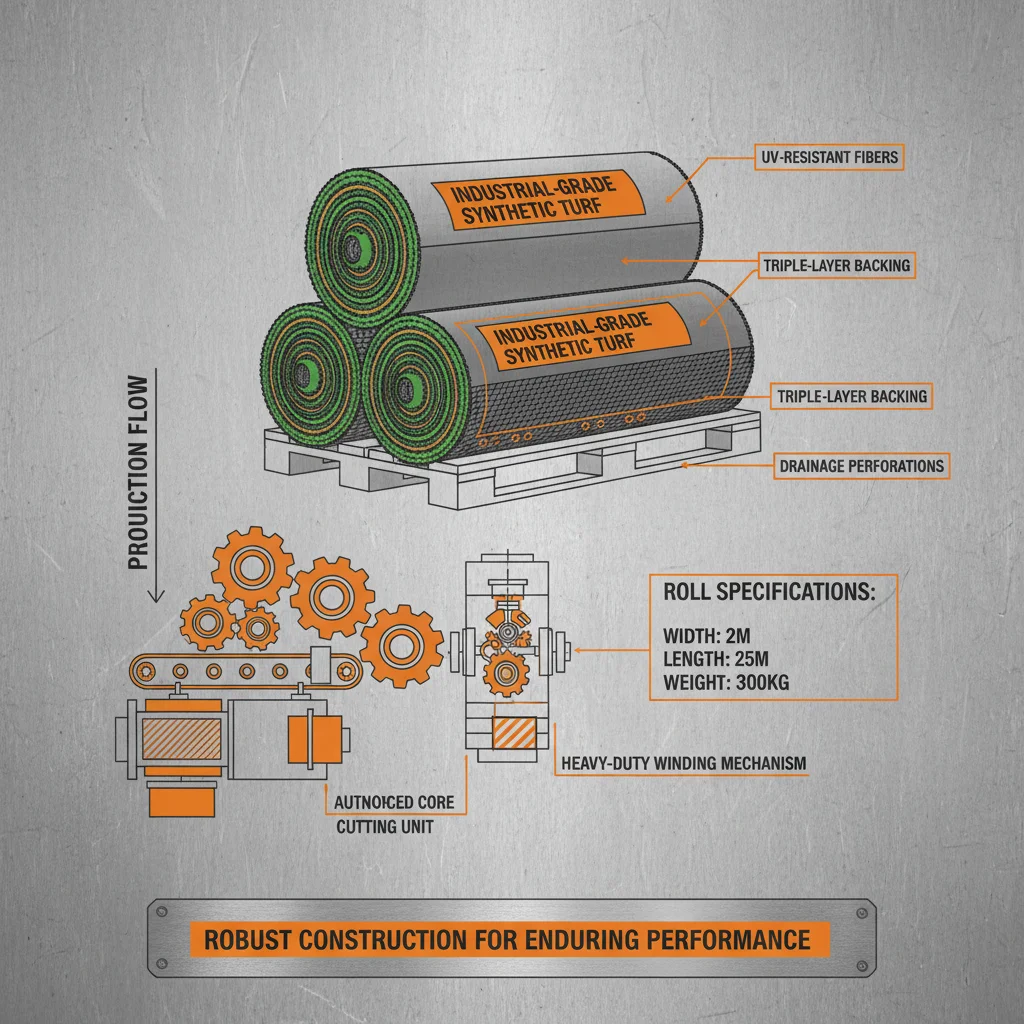
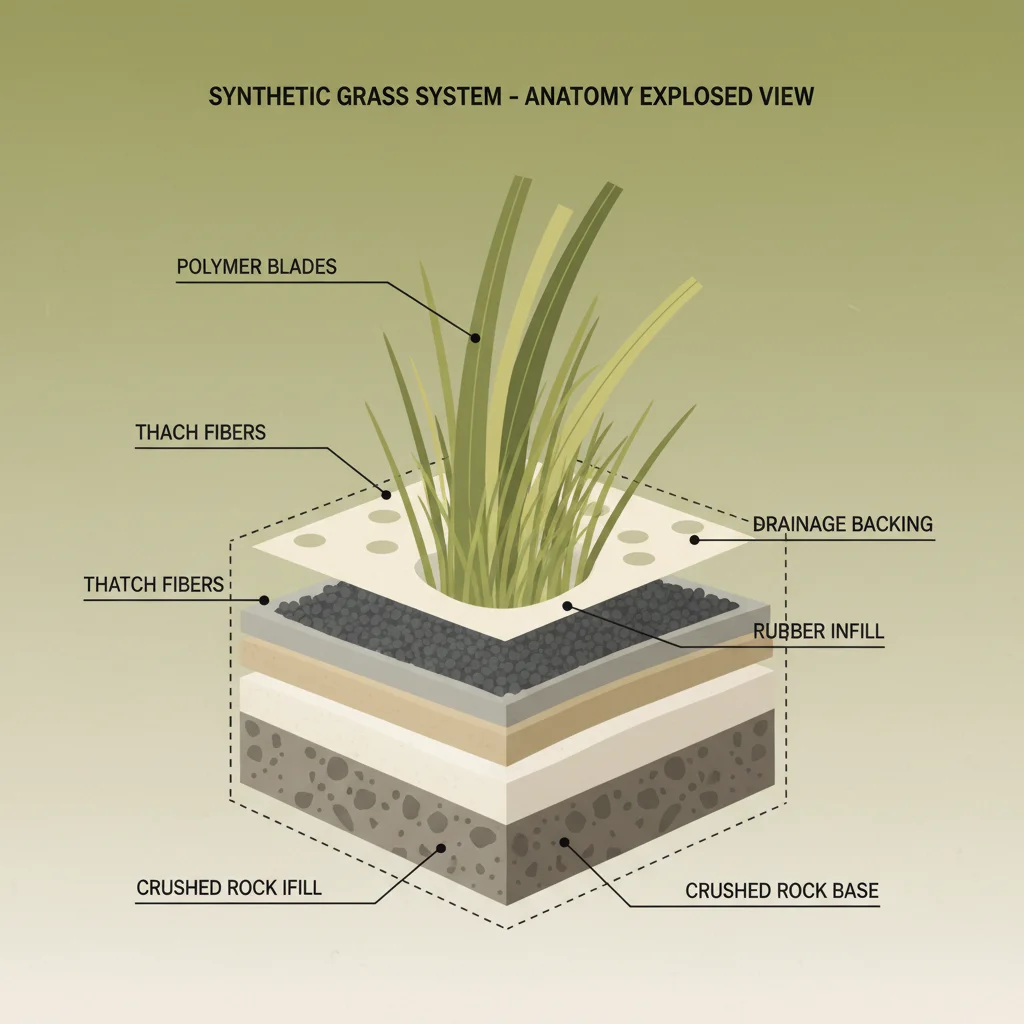
The fibers themselves, mostly polyethylene now. Feels… plasticky, obviously. Polypropylene is cheaper but wears faster. You can tell the difference immediately when you walk on it. The backing is crucial – usually polypropylene or polyester. The heavier the weight, the better the durability. I've seen some really flimsy stuff that just disintegrates after a year.
Then there's the infill. Crumb rubber used to be the go-to, but the environmental concerns are real. Now it's all about those alternatives. Cork smells… like cork, surprisingly. Coconut fibers are a bit rougher to the touch. Silica sand is common, feels gritty. Strangely, some guys still prefer the crumb rubber, even knowing the risks. Old habits, I guess.
And don't forget the coatings! UV stabilizers are essential, otherwise the turf will fade to a sad, washed-out green in no time. Antimicrobial coatings are becoming more popular too, especially for playgrounds. Prevents that… gym sock smell.
Real-World Testing of artificial turf companies
Lab tests are fine, but they don’t tell the whole story. You need to see how it holds up to actual use. We do a lot of wear tests – literally rolling weighted sleds over the turf for thousands of cycles. It's brutal, but it gives you a good idea of abrasion resistance.
UV testing is also critical. We expose samples to intense UV radiation for months to simulate years of sunlight exposure. Colorfastness, fiber degradation… you can see it all happen. Forget about the fancy lab reports, just look at the stuff after a few months. That tells you everything.
Artificial Turf Companies Performance Metrics
How Users Actually Interact with artificial turf companies
People don't always use things the way you think they will. We put a field in for a youth soccer league, and within a month they were using it for… dog agility training. Dogs tearing up the turf! Who would’ve thought? And that’s when you realize you need to specify load ratings and usage limitations.
I've seen folks put patio furniture directly on the turf, causing compression and matting. And kids, of course, are relentless. They’ll drag toys, build forts, and generally abuse it in ways you can't anticipate. That’s why maintenance is so important - regular brushing and cleaning can extend the lifespan considerably.
The Good, The Bad, and The Customizable in artificial turf companies
The advantages are obvious – low maintenance, consistent playing surface, year-round usability. But the heat build-up is a real issue. Darker colors get scorching hot in the sun. And the initial cost is still significant. People underestimate that.
Customization is possible, though it adds cost. Last month, that small boss in Shenzhen who makes smart home devices insisted on changing the interface to , and the result was an absolute nightmare! He wanted it built into the turf. Completely impractical, but he was convinced it was the future. Cost him a fortune. We managed to talk him down to a recessed box eventually. Anyway, I think that was a waste of money.
Performance Metrics and Material Comparison for artificial turf companies
To be honest, there’s a ton of marketing fluff out there. Everyone claims their turf is the best. So you need to focus on tangible metrics. Wear resistance, UV stability, drainage rate, fiber density… those are the things that matter.
Comparing materials? Polyethylene generally offers better aesthetics and feel, but polypropylene is more durable and affordable. Infill choice impacts everything – from cushioning to temperature. It's a trade-off.
And don't overlook the importance of the backing. A high-quality backing will prevent delamination and extend the lifespan of the turf. It’s the unsung hero, really.
Key Performance Indicators for Artificial Turf Companies
| Material Type |
Wear Resistance (Cycles) |
UV Stability (Years) |
Drainage Rate (mm/hr) |
| Polyethylene |
45,000 |
8 |
75 |
| Polypropylene |
60,000 |
6 |
80 |
| Nylon |
50,000 |
10 |
70 |
| PE with Cork Infill |
40,000 |
7 |
65 |
| PP with Silica Sand |
65,000 |
5 |
85 |
| Recycled Materials Blend |
35,000 |
6 |
70 |
FAQS
Look, those 15-year claims are marketing. In a high-traffic area, you’re looking at maybe 8-10 years, if it’s properly maintained. Residential lawns might stretch to 12, but it depends on sun exposure, use, and the quality of the materials. And the infill is key - that will break down much faster than the fibers themselves, needing replacement sooner.
It's complicated. You eliminate the need for watering, mowing, and fertilizers, which is good. But the manufacturing process is energy-intensive, and disposal is a problem. The move towards bio-based materials is helping, but we're not there yet. Ultimately, it depends on how you look at it – reducing water usage vs. plastic waste. It's a tough call.
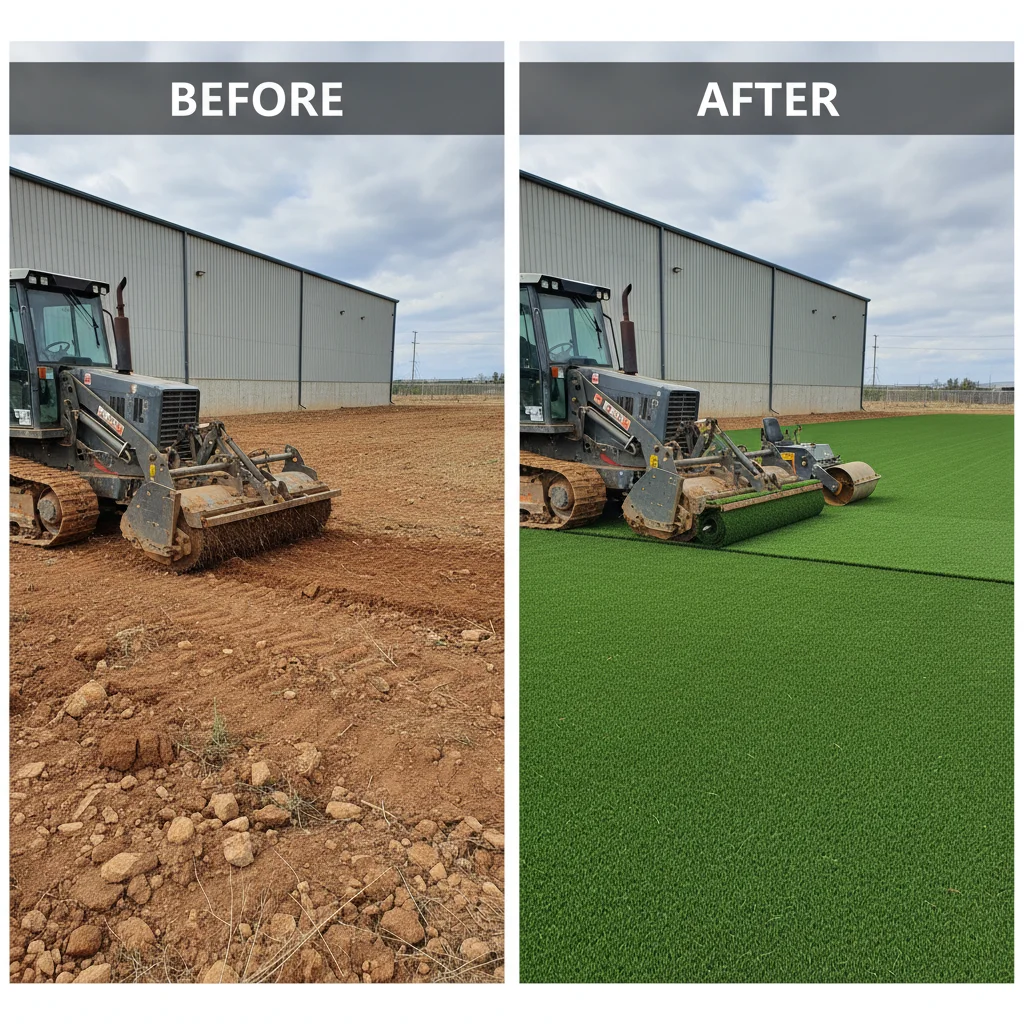
It varies wildly, depending on the size of the area, the quality of the turf, and the complexity of the installation. But you’re generally looking at anywhere from $10 to $20 per square foot, including materials and labor. Don't skimp on the sub-base preparation – that’s where a lot of people try to cut corners and regret it later.
Regular brushing to keep the fibers upright is essential. You’ll also need to occasionally top up the infill, and remove any debris. For heavily used areas, a deep cleaning with a specialized cleaning solution is recommended a couple of times a year. It's not zero maintenance, believe me.
Absolutely. Darker colors absorb more heat, and can get scorching hot in direct sunlight. There are cooling infill options available, and lighter colored turf helps, but it’s still a concern. Think about where you're installing it, and who's going to be using it. A playground in Arizona? Probably not a good idea.
Warranties vary, but most manufacturers offer a limited warranty on the fibers, typically for 8-10 years. Some also offer warranties on the backing and seams. Read the fine print carefully, though. Warranties often don’t cover wear and tear, or improper installation. And don’t expect them to cover everything. They’re always looking for loopholes.
Conclusion
So, artificial turf companies… it’s a complex industry, full of hype and hidden pitfalls. It’s not a silver bullet, but it can be a good solution for certain applications. You need to understand the materials, the installation process, and the long-term maintenance requirements. Don’t just go for the cheapest option – you’ll regret it.
Ultimately, whether this thing works or not, the worker will know the moment he tightens the screw. Because at the end of the day, it's the quality of the workmanship and the materials that matter. And that’s the truth. You can find more info at artificial turf companies.