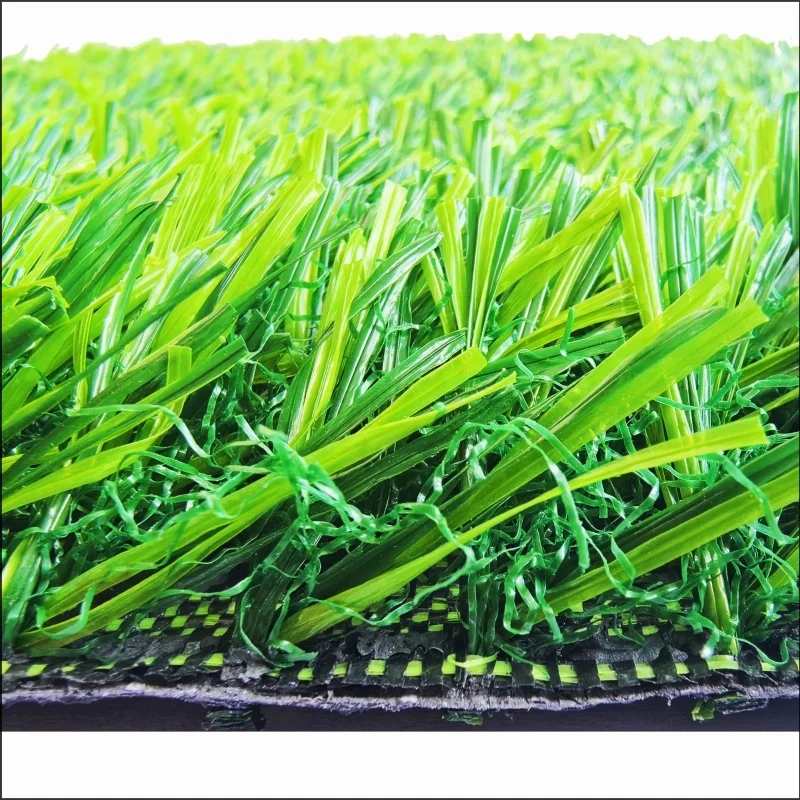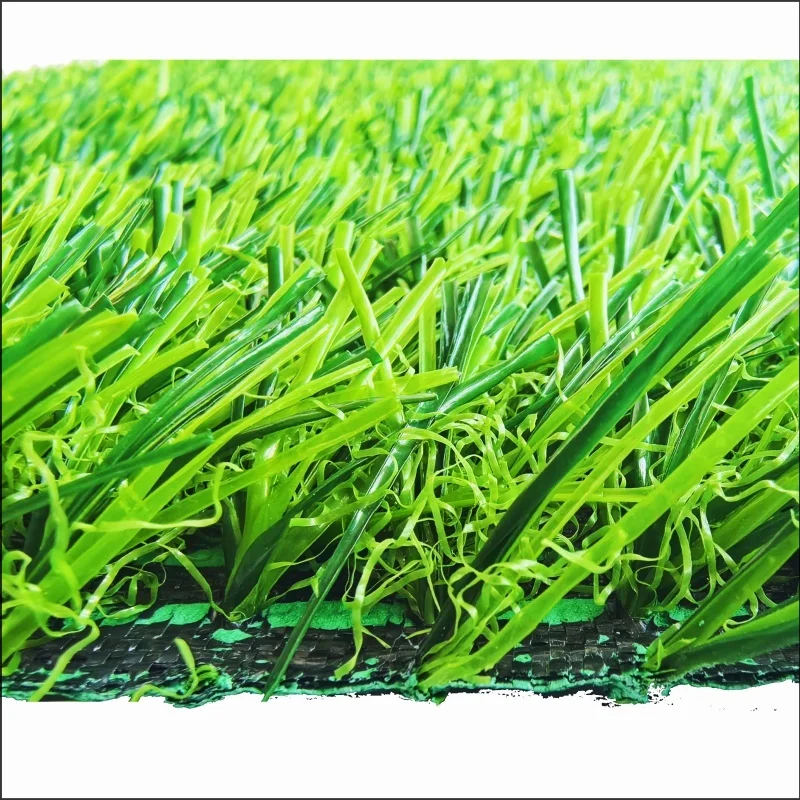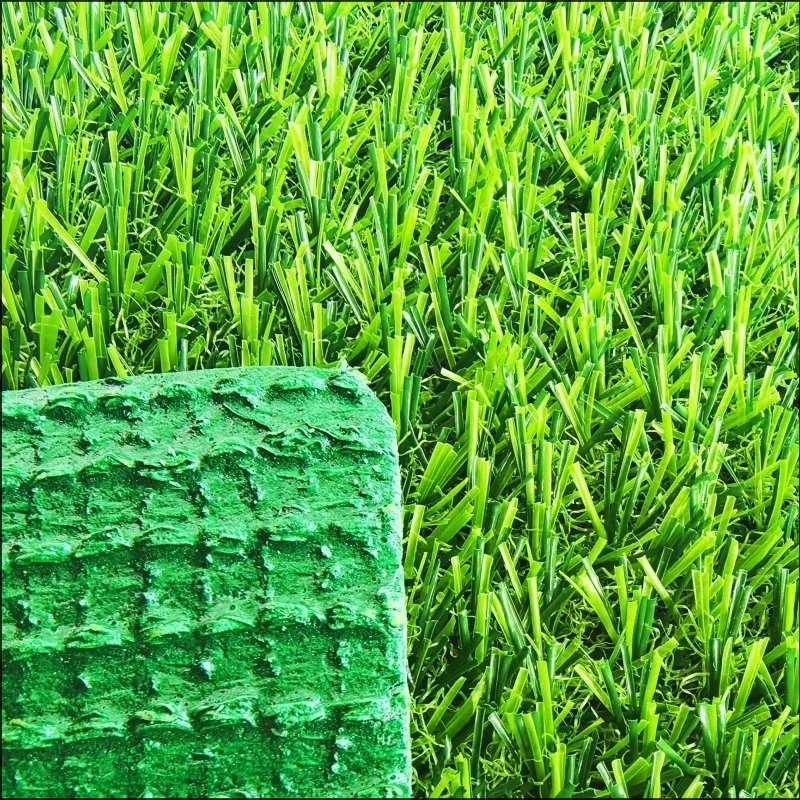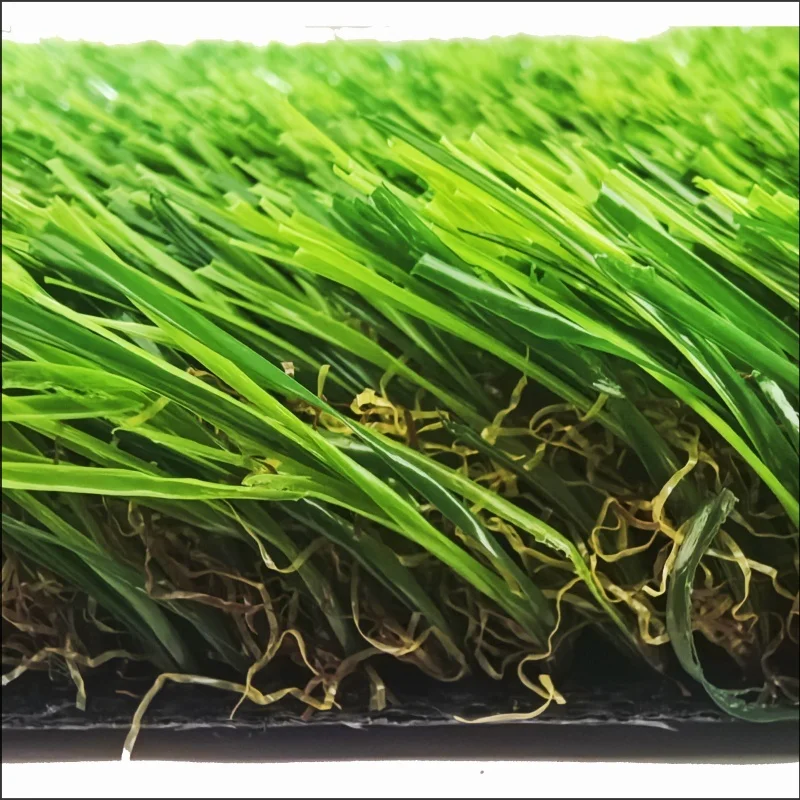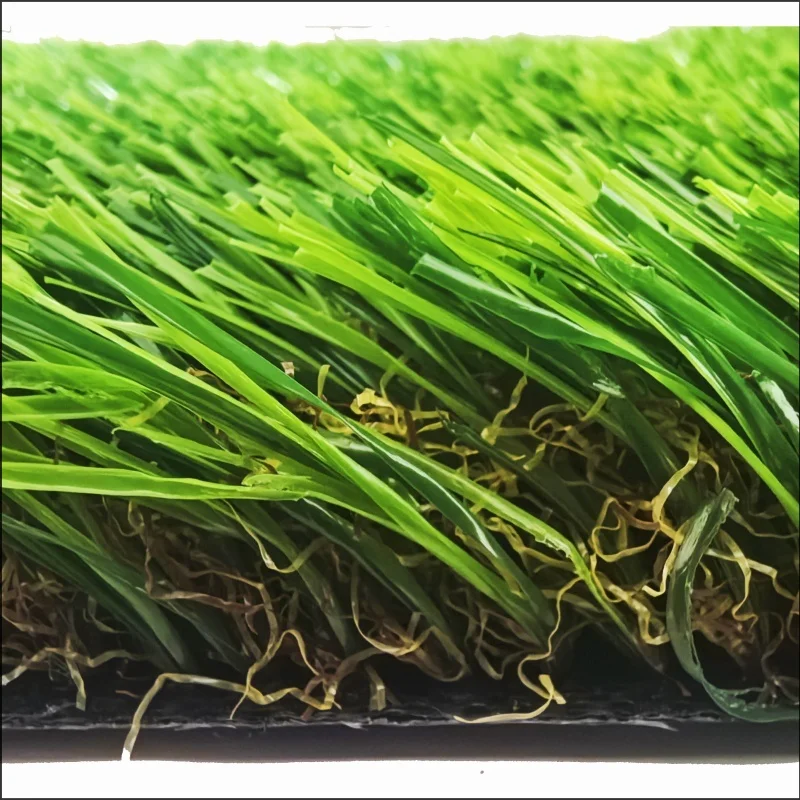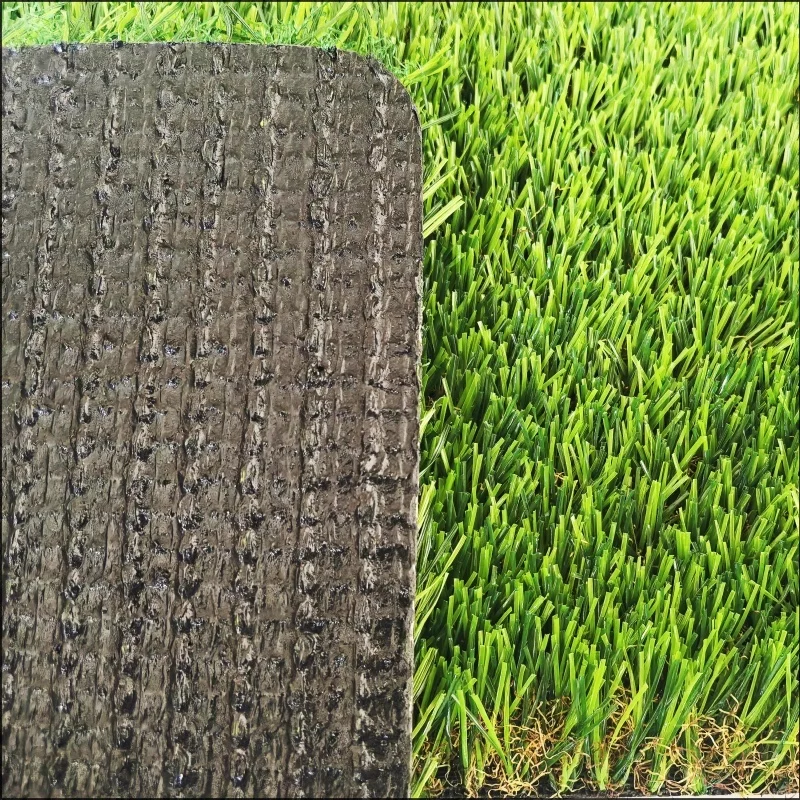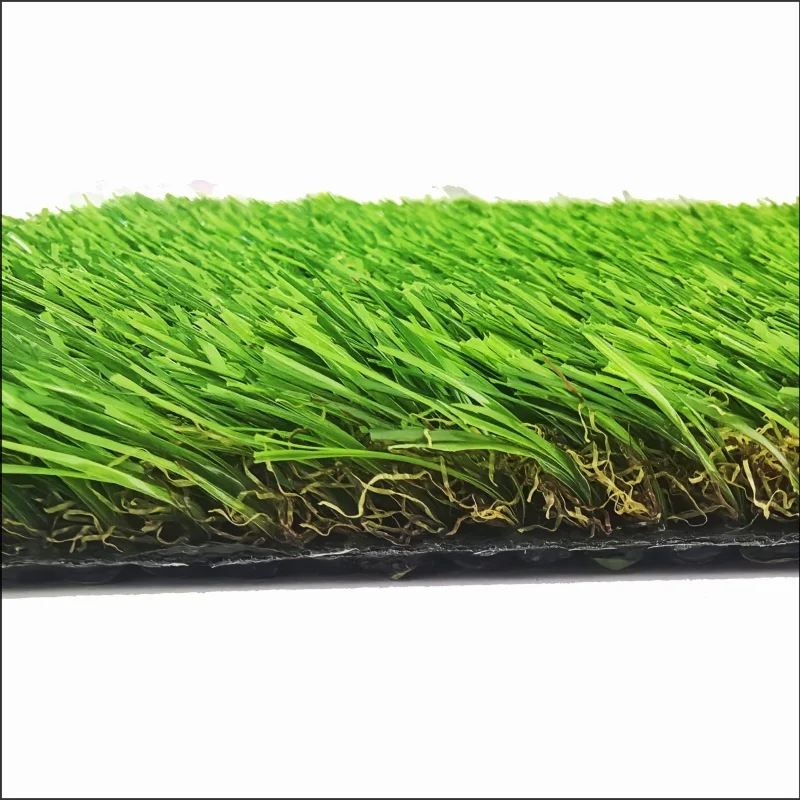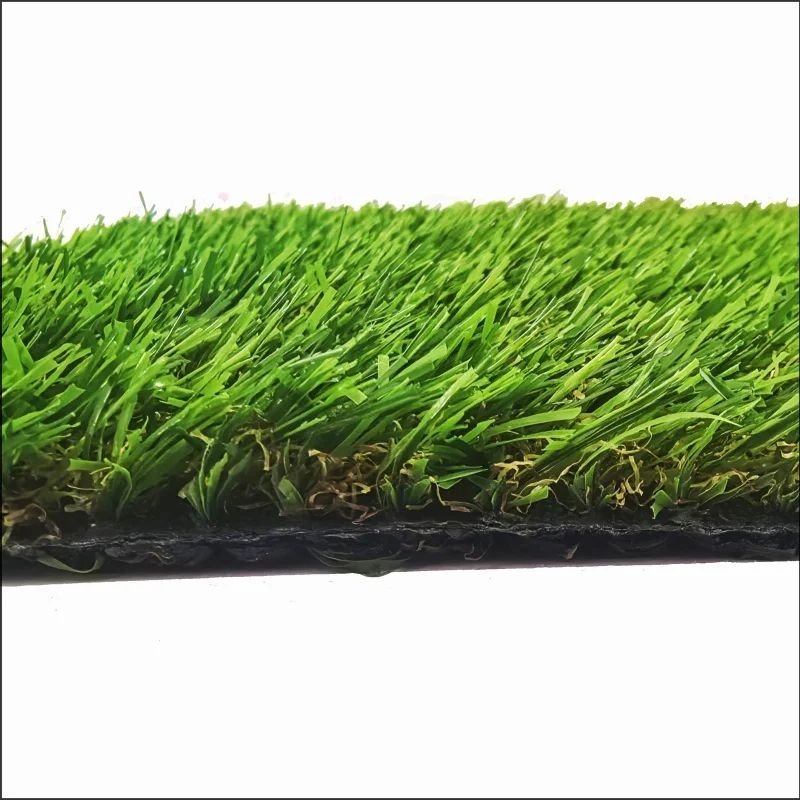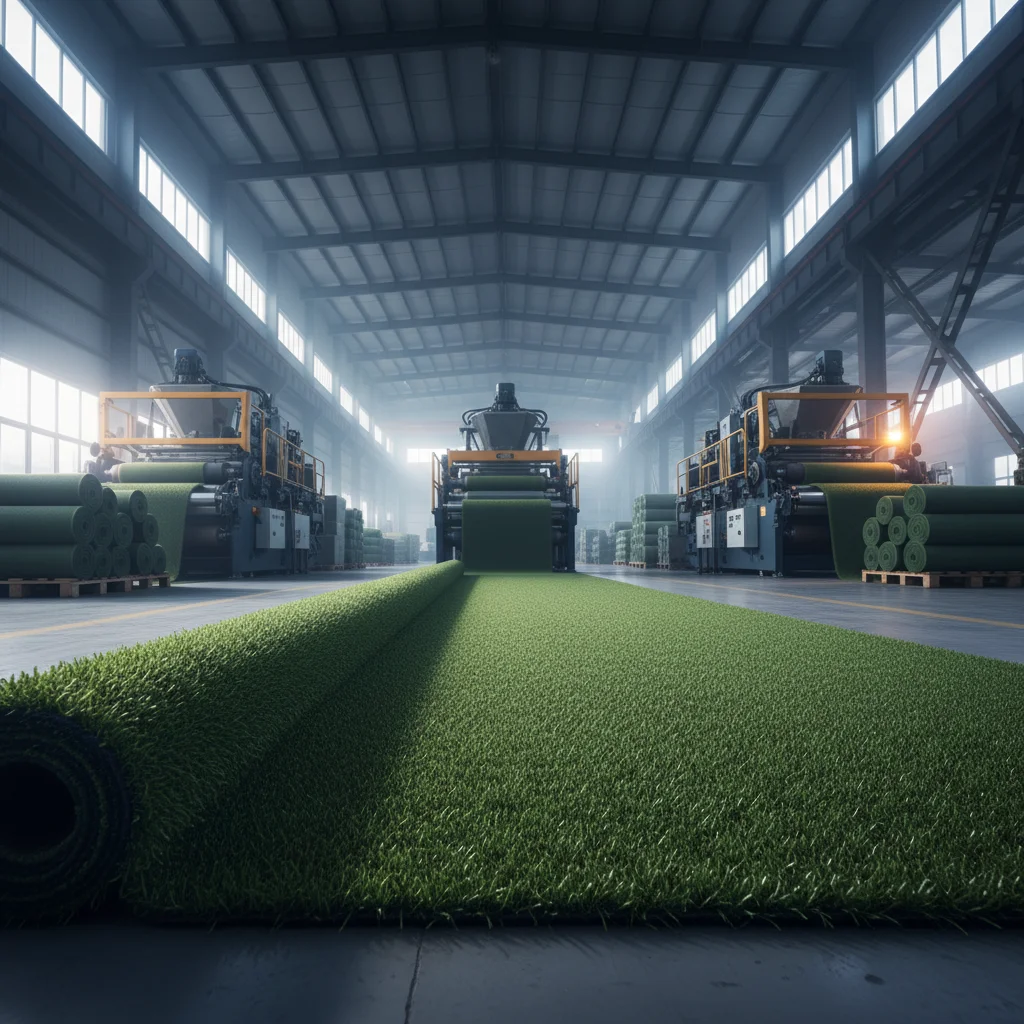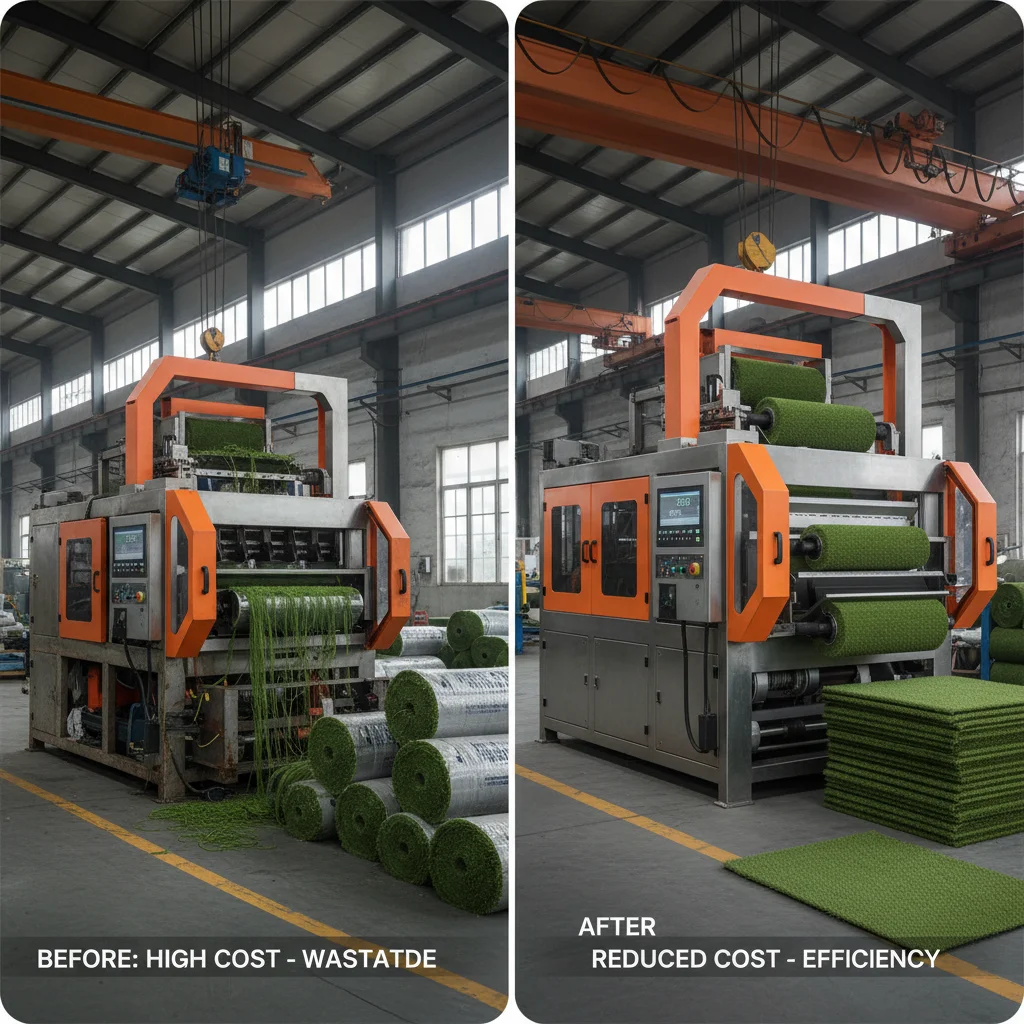

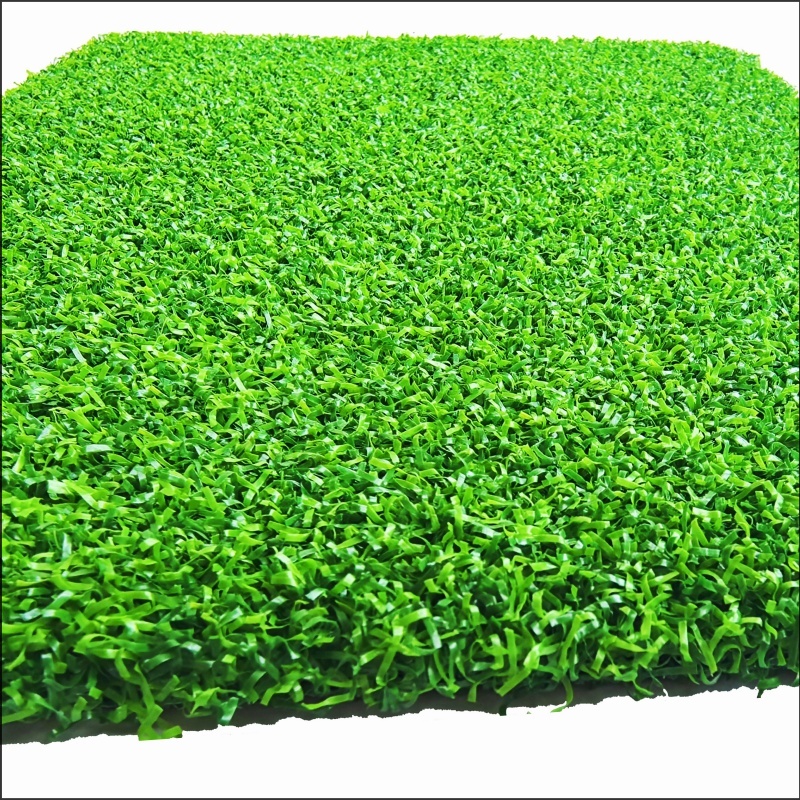


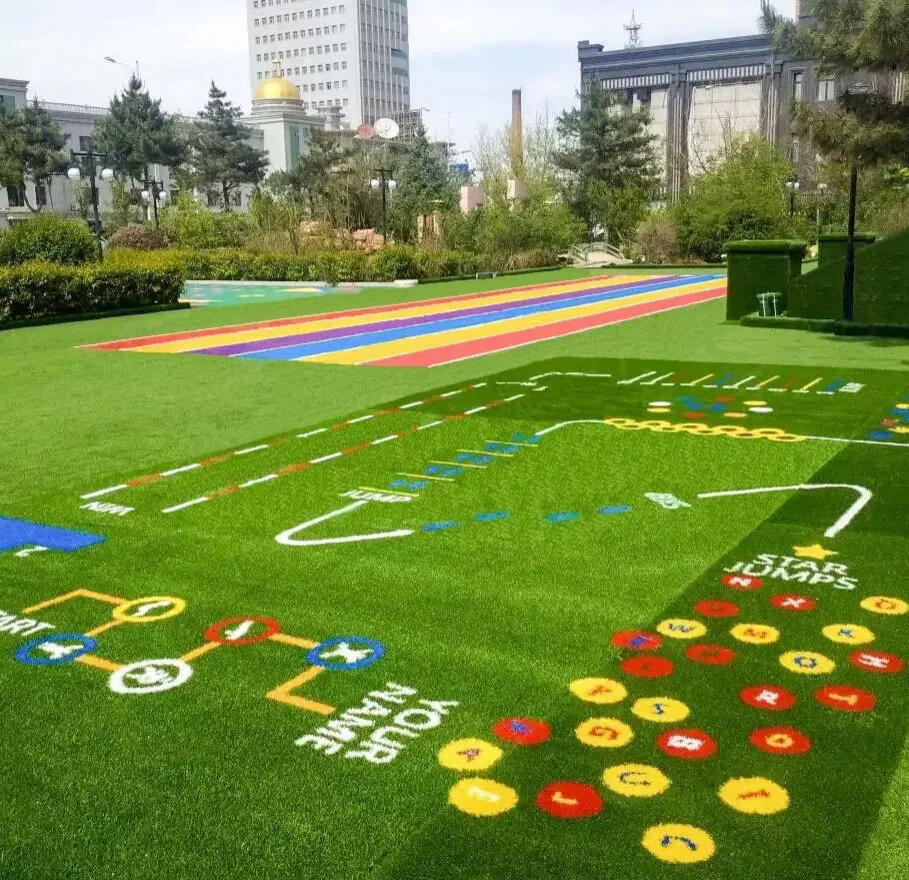
When planning a landscaping project, choosing the right grass is essential for achieving the desired look, durability, and maintenance level. Among the various options available, Artificial Landscape Grass has become increasingly popular due to its consistent appearance, low maintenance, and long-lasting performance. Unlike natural grass, artificial landscape grass does not require watering, mowing, or fertilizing, making it ideal for both residential and commercial landscapes. It also provides a green, fresh look year-round, even in extreme climates where natural grass struggles to survive.
Artificial landscape grass comes in different types to suit various landscaping needs. The most common varieties include short-pile turf, medium-pile turf, and long-pile turf. Short-pile artificial grass is typically used for areas that require a clean and neat appearance, such as front lawns and pathways. Medium-pile artificial grass offers a more natural look with moderate softness, making it suitable for backyards, play areas, and general landscaping. Long-pile artificial grass, with its lush and dense texture, is often used for high-end landscapes, luxury gardens, and commercial display areas where a premium aesthetic is desired.
In addition to pile height, artificial landscape grass is also differentiated by blade shape and color variations. Some grasses are designed with multi-tone blades to mimic natural grass color changes, while others include thatch layers to provide additional cushioning and support. When selecting the right type, it is important to consider factors such as foot traffic, weather conditions, drainage needs, and overall design goals. For example, high-traffic areas benefit from durable, short-pile artificial landscape grass, while decorative areas may prioritize texture and realism.
Overall, artificial landscape grass offers a flexible and practical solution for modern landscaping, providing a green and vibrant outdoor environment with minimal upkeep. By understanding the different types of artificial landscape grass, landscape designers and property owners can choose the most suitable option to enhance the beauty and functionality of their outdoor spaces.
When planning an outdoor space, selecting the right landscape grass is one of the most important decisions for both aesthetics and long-term performance. Different types of grasses are designed to meet different landscaping needs, from decorative gardens to large commercial green areas. Understanding these options helps ensure that the chosen landscape grass delivers durability, visual appeal, and practical value throughout the year.
One of the most common categories is ornamental grasses for landscaping, which focuses on appearance and texture. This type of landscape grass is often used in gardens, courtyards, and feature areas where visual impact matters most. It typically has fine blades, rich color tones, and a soft surface that enhances the overall landscape design. Ornamental landscape grass works well in low-traffic areas and is ideal for projects where a natural, well-manicured look is a priority.
Another widely used option is durable landscape grass designed for high-traffic environments. This type of landscape grass is engineered to withstand frequent use, making it suitable for public spaces, commercial landscapes, walkways, and recreational areas. With stronger fibers and higher resilience, durable landscape grass maintains its shape and appearance even under constant foot traffic. It offers a practical balance between performance and visual consistency, especially in large-scale landscaping projects.
For regions with intense sunlight or challenging weather conditions, weather-resistant landscape grass is an excellent choice. This landscape grass is designed to resist UV exposure, moisture, and temperature changes, helping it retain color and structure over time. It is commonly used in open outdoor spaces, rooftop landscaping, and areas where natural grass struggles to survive. Weather-resistant landscape grass reduces maintenance demands while providing long-lasting visual stability.
There is also a multi-purpose landscape grass, which combines aesthetic appeal with functional performance. This type of landscape grass is versatile and can be applied across residential gardens, commercial projects, and mixed-use landscapes. Its adaptability makes it a popular solution for designers and contractors looking for consistent results across different environments.
By understanding the different types of grasses for landscaping, project planners can select the most suitable landscape grass based on usage, climate, and design goals. Choosing the right type not only enhances the overall look of the spacebut also ensures long-term value, lower maintenance, and reliable performance for any landscaping project.
For pet owners, choosing the right outdoor surface is about more than looks—it’s about safety, hygiene, durability, and long-term convenience. Artificial Landscape Grass has become a popular choice for pet-friendly yards because it combines a natural appearance with easy maintenance, helping families keep their outdoor spaces clean and comfortable for both pets and people. Unlike natural grass, artificial landscape grass doesn’t turn into mud after rain, and it won’t develop brown patches from frequent pet activity. This makes it especially suitable for homes with dogs, cats, and other outdoor pets.
One of the biggest advantages of artificial landscape grass for pet owners is its easy cleaning and drainage. Most pet-friendly artificial turf systems include a well-designed backing and drainage layer that allows urine to pass through quickly, preventing water buildup and reducing odor. With proper installation and routine rinsing, pet waste can be easily removed without damaging the surface or leaving stains. Additionally, artificial landscape grass is typically made from durable materials that resist wear and tear from digging, running, and rough play, maintaining a neat and attractive lawn even in high-traffic areas.
Another key benefit is hygiene and safety. Many artificial landscape grass products are designed with anti-bacterial or antimicrobial properties, which help reduce the growth of bacteria and maintain a cleaner environment for pets. The consistent surface also reduces the risk of pests such as fleas and ticks, which often hide in natural grass. For pet owners, this means less worry about parasites and a safer outdoor area for daily activities.
When selecting artificial landscape grass for pets, it’s important to choose a product with appropriate pile height, strong backing, and reliable drainage. A well-chosen artificial turf system can transform a pet yard into a low-maintenance, durable, and hygienic space that stays green year-round. For pet owners looking for a practical and attractive solution, artificial landscape grass offers a reliable way to keep both pets and yards happy.
Artificial landscape grass is a synthetic turf designed to look and feel like natural grass. It is made from durable materials such as polyethylene, polypropylene, or nylon, and is widely used in residential lawns, commercial landscapes, rooftop gardens, and sports fields.
Yes, high-quality artificial landscape grass is safe for children and pets. Many products use non-toxic materials and are designed with anti-bacterial or antimicrobial properties. For pet owners, choose turf with good drainage and easy-to-clean features.
A well-installed and maintained artificial landscape grass can last 8–15 years or more. The lifespan depends on factors like UV exposure, foot traffic, and the quality of the turf.
Artificial landscape grass is low-maintenance but not maintenance-free. You should regularly remove debris, rinse the surface, and brush the fibers to keep them upright. For pet areas, cleaning urine and solid waste promptly is recommended.
Yes, artificial landscape grass can be installed in most climates. Modern turf is designed to withstand UV exposure, extreme heat, and cold temperatures. However, choosing the right product and proper installation method is important for long-term performance.
Most artificial landscape grass systems use a perforated backing and a well-prepared base layer that allows water to pass through quickly. Proper base construction is essential to prevent pooling and ensure good drainage.
Yes, artificial landscape grass can be installed over concrete, asphalt, or hard surfaces using a suitable base layer and adhesive. This is common for balconies, rooftops, and patios.
Artificial landscape grass can be eco-friendly in some ways, such as reducing water usage and eliminating fertilizers or pesticides. Some products also use recycled materials. However, it is still a synthetic product, so consider the full lifecycle when evaluating environmental impact.
Artificial landscape grass is mainly used for decorative landscaping and residential lawns, while artificial turf is typically used for sports fields and high-impact athletic applications. Turf is usually more durable and dense, while landscape grass prioritizes realism and comfort.
The cost varies depending on material quality, pile height, density, and installation complexity. Generally, the price includes turf material, base preparation, edging, and installation labor. For accurate pricing, request a quote based on your project size and requirements.


Hit enter to search or ESC to close