


When designing and installing high-performance sports surfaces, understanding the various types of artificial sport grass is key to selecting the right artificial grass solution for each athletic application. Modern synthetic turf systems are engineered to provide durability, safety, and consistent performance across a wide range of sporting activities—from artificial grass golf green installations to multi-sports artificial grass complexes.
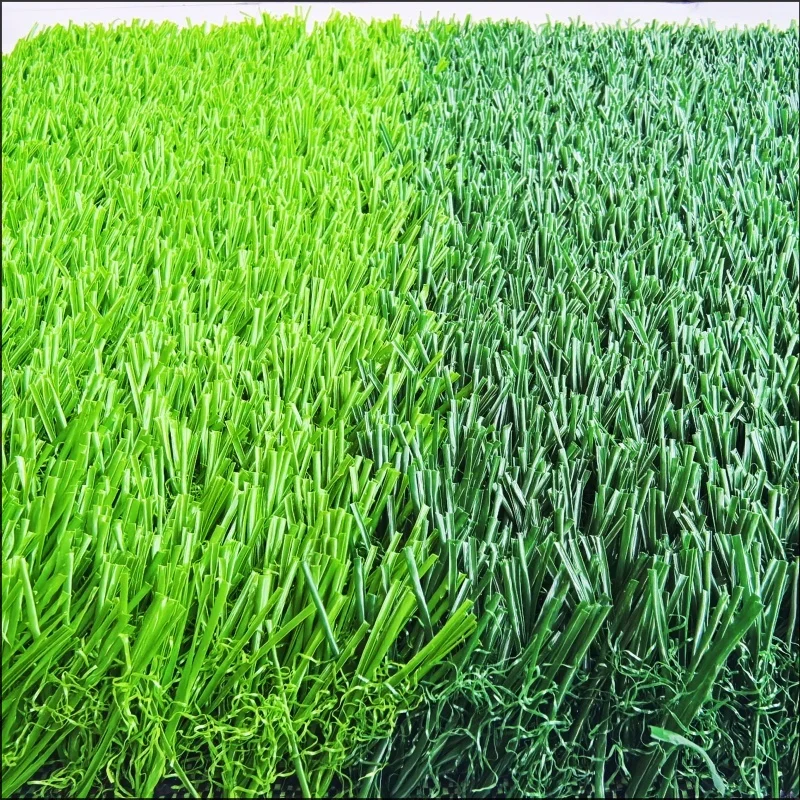
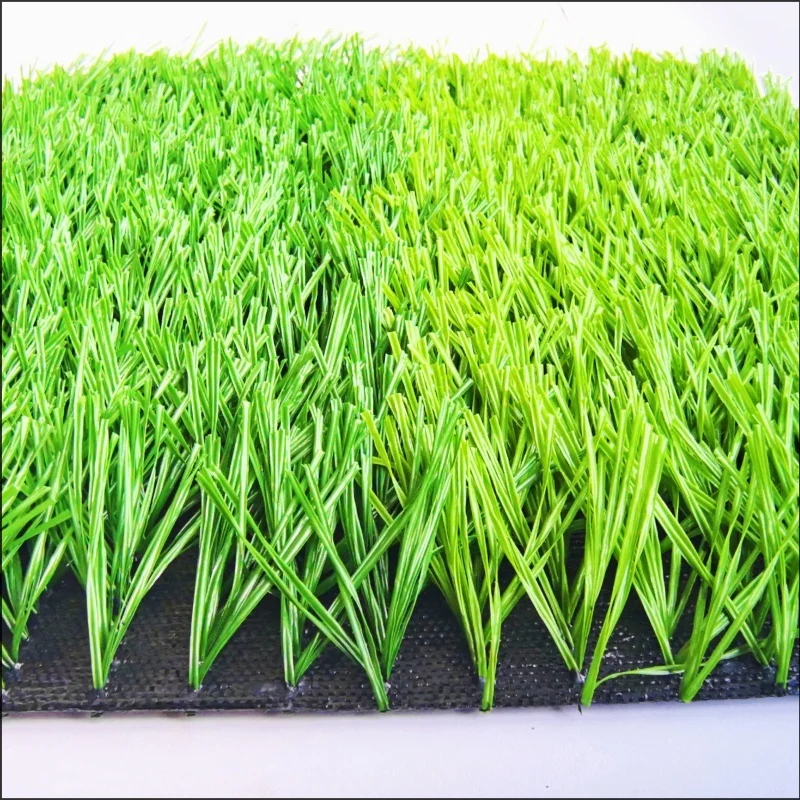
Monofilament turf is made from single, straight synthetic fibers designed to replicate the look and feel of natural grass while providing excellent durability and resilience. Its upright blade structure offers a softer surface with great ball roll and traction, making it a preferred choice for both artificial turf sports fields and football ground turf where performance and aesthetics are important. This type is commonly used on professional fields and community pitches, with strong resistance to wear from regular use.
• Artificial Turf Baseball fields require surfaces that mimic consistent ball bounce and predictable roll across the infield and outfield. Turf systems tailored for baseball often incorporate unique fiber shapes and density levels to support fast play and reduce maintenance.
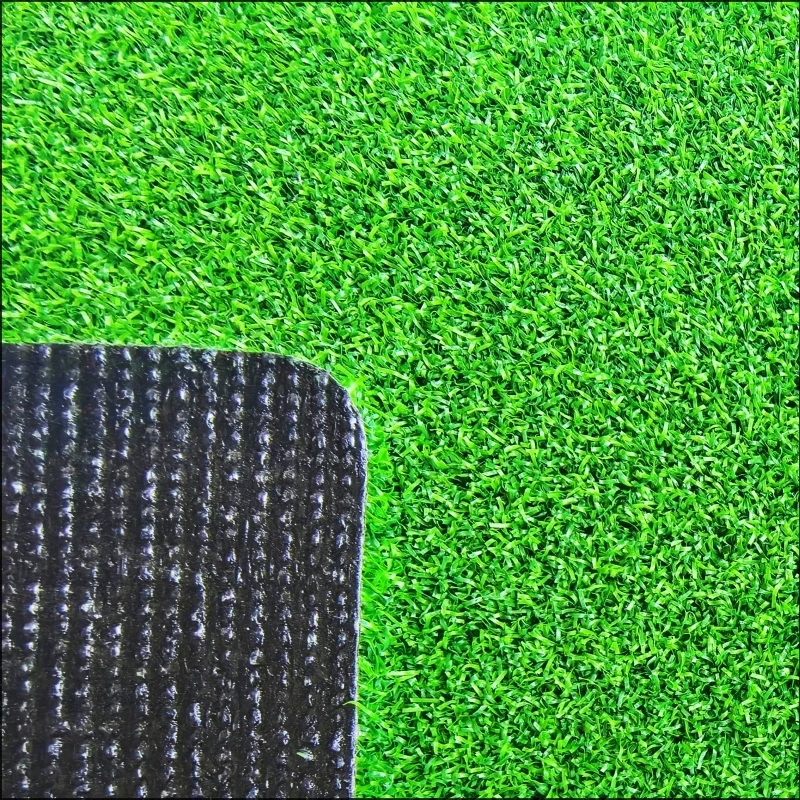
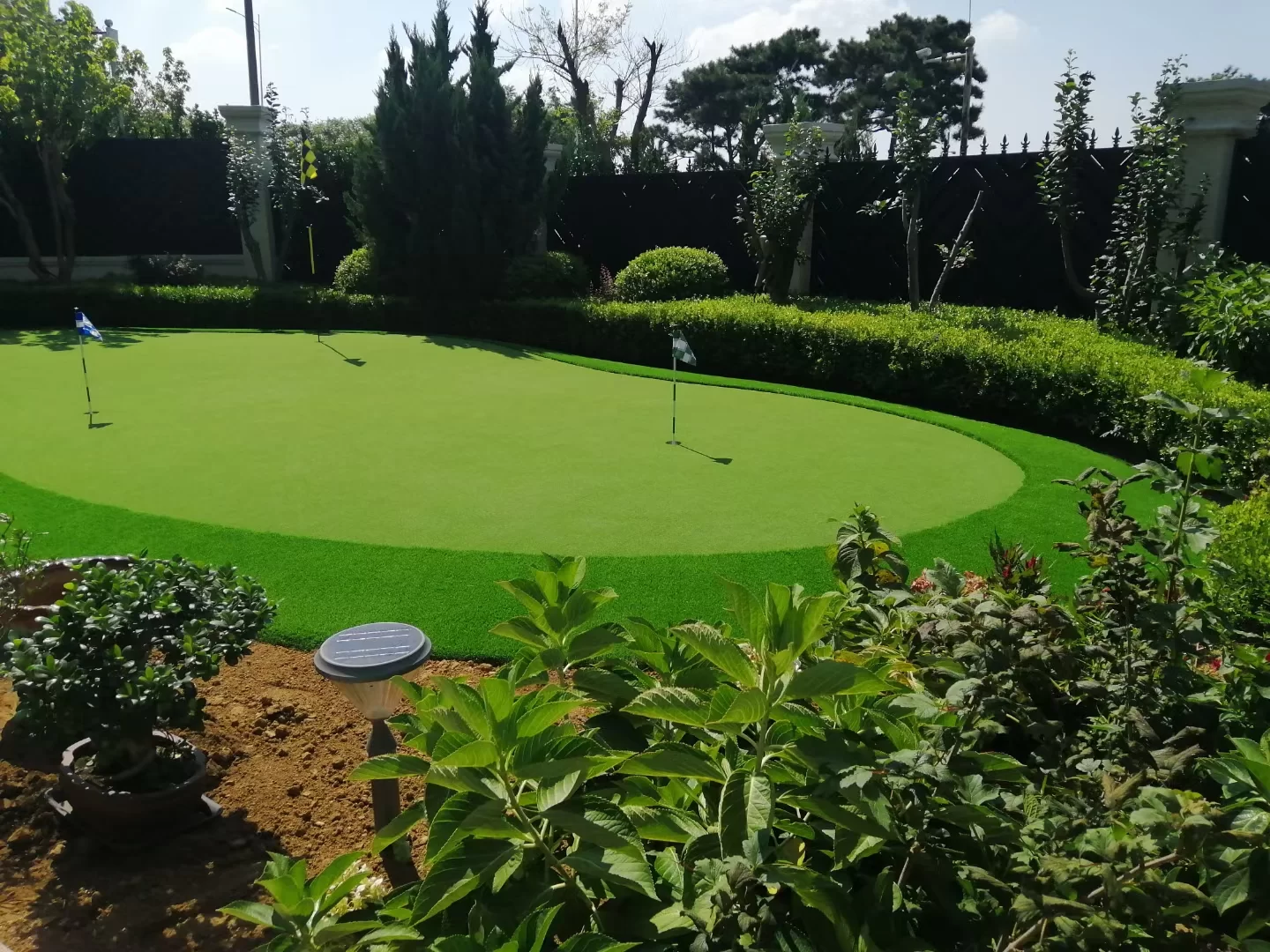
• Artificial Grass Golf Green surfaces emphasize smooth, closely-cut turf ideal for putting and chipping. Artificial golf turf often uses fine, dense fibers with excellent UV stability to simulate real putting greens without the ongoing water and lawn care needs of natural grass.
For football and rugby, artificial turf must withstand heavy cleat impact and physical play while offering reliable traction and shock absorption. This often means selecting synthetic grass with taller blade heights, robust infill systems, and enhanced shock pads to help protect players and ensure year-round usability.
Large stadiums and multi-sport facilities benefit from a hybrid of performance features tailored for heavy foot traffic and diverse usage. Grass in stadium environments may require custom fiber blends or even hybrid natural/synthetic systems for elite competition, while multi-sports artificial grass products are engineered to support soccer, lacrosse, field hockey, and other athletic activities with a balance of comfort, durability, and cost-efficiency.
In summary, whether for a dedicated artificial turf baseball diamond, a precise artificial grass golf green, or a versatile football ground turf that also supports multiple sports, selecting the appropriate type of synthetic grass is essential for performance, safety, and long-term field value. Tailoring your choice to the sport’s specific needs ensures durability, consistent playability, and low maintenance across all athletic environments.
For many stadiums, schools, and sports facilities, the decision between artificial sport grass and natural grass comes down to long-term value. Natural grass can offer a traditional look and softer feel, but it requires significant maintenance, such as frequent watering, mowing, fertilizing, and pest control. In large-scale sports venues, maintaining natural grass is not only costly but also time-consuming, especially in regions with extreme weather conditions where grass may struggle to stay healthy and consistent. Artificial sport grass, on the other hand, provides a consistent playing surface year-round with minimal maintenance, making it a preferred choice for many modern sports projects.
Cost is a major factor for decision makers. While the upfront investment for artificial sport grass can be higher than planting natural grass, the lifecycle cost is often lower. Cheap artificial turf eliminates the need for irrigation systems, ongoing landscaping labor, and seasonal repairs. Over a typical lifespan of 8 to 12 years, artificial sport grass can deliver stable performance without the unpredictable costs associated with weather damage, soil problems, or heavy usage. For high-traffic facilities, the durability of artificial turf also reduces downtime, ensuring that the field remains available for games and training sessions.
Performance is another key advantage. Artificial sport grass is engineered to provide consistent ball roll, traction, and shock absorption, which is crucial for athlete safety and game quality. Modern artificial turf systems also include advanced drainage solutions, allowing fields to be used immediately after rain. For institutions focused on long-term planning and operational efficiency, artificial sport grass offers predictable results and lower total cost of ownership. As the sports industry continues to evolve, more facilities are choosing artificial turf to balance performance, durability, and cost, making it a practical and future-ready solution.
Choosing the best artificial sport grass for football, soccer, or rugby fields requires careful consideration of performance requirements, safety standards, and field usage intensity. Football and soccer fields demand high traction and consistent ball behavior, while rugby fields need enhanced durability to withstand heavy impacts and frequent player collisions. In addition, all these sports require surfaces that support athlete safety through adequate shock absorption and even footing. This makes it essential to select turf systems that are specifically designed for each sport’s unique demands rather than using a one-size-fits-all solution.
The best artificial grass football ground and artificial grass for soccer typically features a combination of dense fiber construction, high-quality infill materials, and a strong backing system. These elements work together to provide stable ball roll, reliable traction, and resistance to wear. For rugby, the turf system must be even more robust, often using thicker fibers and reinforced backing to endure intense scrums and heavy usage. Drainage is also a crucial factor; fields with advanced drainage systems ensure that games can proceed after heavy rain without waterlogging or surface damage. For high-level competition venues, turf must also comply with relevant sports standards and certifications, which ensures consistent performance and safety.
From a project perspective, choosing the right artificial sport grass should also consider installation and maintenance requirements. A well-designed turf system should allow efficient installation, easy repairs, and long-term performance stability. For schools, clubs, and municipal sports facilities, the ideal solution balances cost, durability, and athlete experience. By selecting the best artificial sport grass tailored to the sport and usage intensity, facility managers can provide a reliable playing surface that supports performance, safety, and long-term value.
Indoor sports facilities have unique challenges that make artificial sport grass an ideal flooring choice. Unlike outdoor fields, indoor venues often face limited natural light, controlled climate conditions, and heavy daily usage. Natural grass is not feasible indoors because it requires sunlight, soil, and continuous maintenance. Artificial sport grass provides a consistent and durable surface that performs well under indoor conditions, supporting a wide range of activities including indoor soccer, training centers, gym turf areas, and multi-sport complexes. This makes it a popular solution for modern indoor sports facility design.
One of the biggest advantages of artificial sport grass indoors is its stability and low maintenance. Indoor fields do not need watering or mowing, and they remain usable year-round regardless of outside weather. This is especially important for facilities that host frequent training sessions, tournaments, or community events. The turf can withstand heavy foot traffic, equipment use, and repetitive drills without significant wear. In addition, modern artificial turf systems can be installed with specialized underlays that enhance shock absorption and reduce impact on athletes’ joints, which is crucial for indoor sports training environments.
Another key benefit is the versatility of artificial turf in indoor spaces. It can be customized to fit various layouts, including multi-zone training areas, fitness turf lanes, and full-size indoor soccer fields. With the right turf system, indoor sports facilities can also integrate line markings, different pile heights, and performance features tailored to specific sports. For facility managers, the decision to use artificial sport grass indoors often comes down to reliability, cost-efficiency, and user experience. When properly installed and maintained, artificial turf provides a durable, safe, and high-performing surface that enhances the overall value of indoor sports facilities.


Hit enter to search or ESC to close