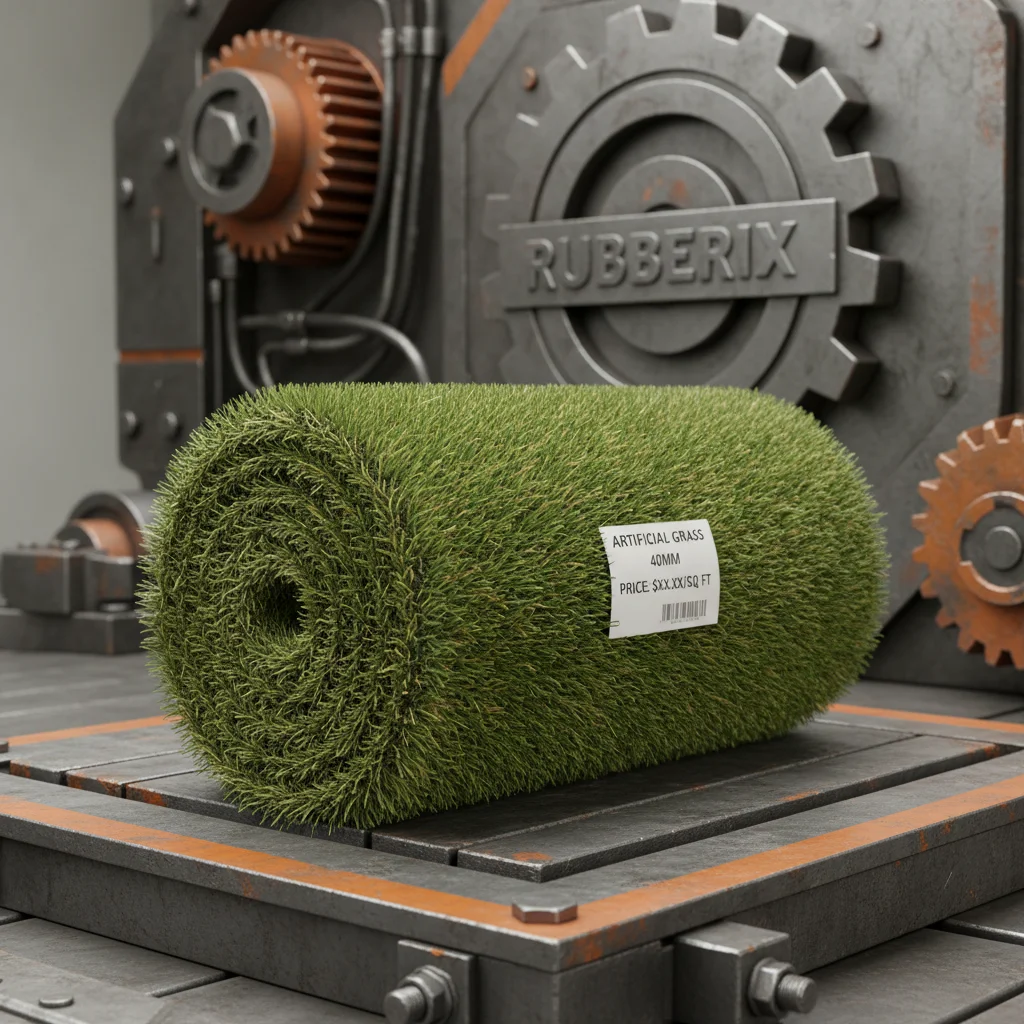
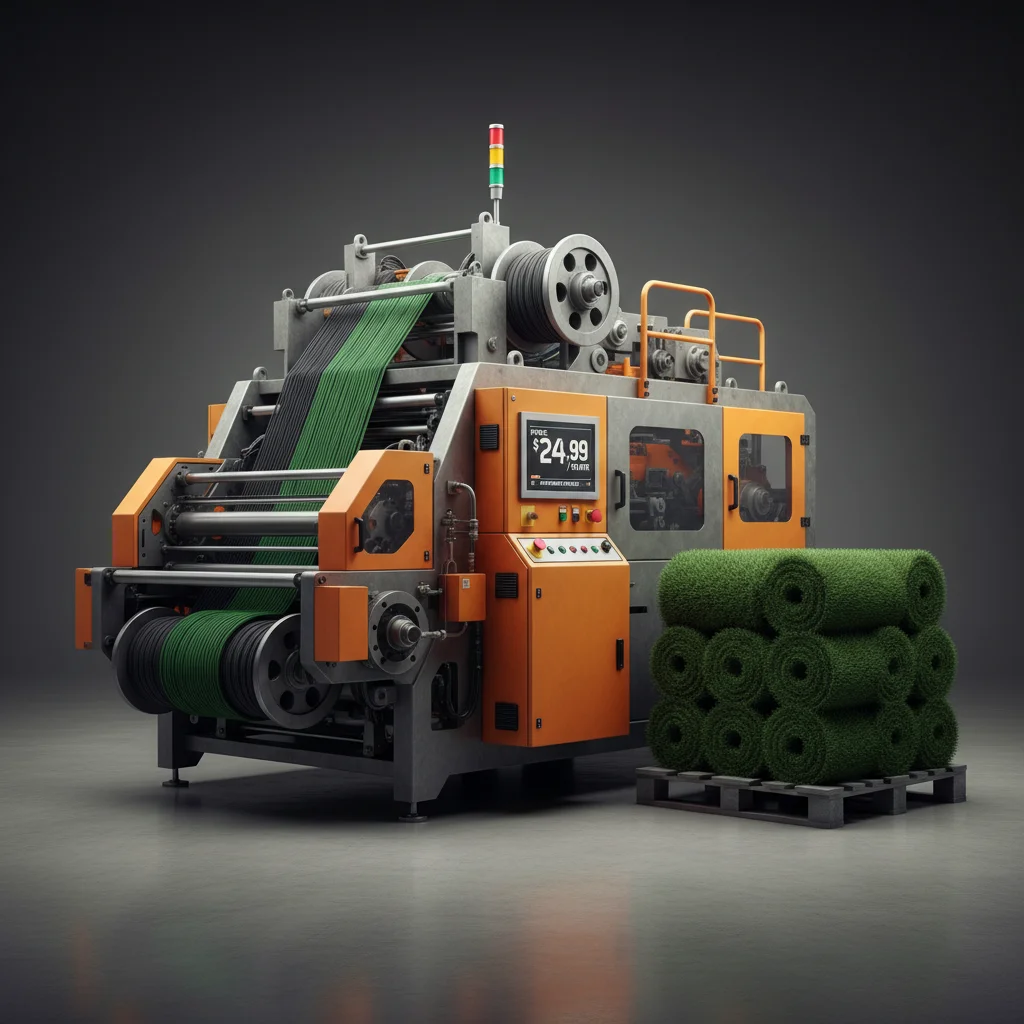
Field turf for sale has revolutionized athletic surfaces and beyond, offering a durable, consistent, and aesthetically pleasing alternative to natural grass. Its applications span from professional sports stadiums to residential landscaping, driven by a growing demand for low-maintenance and high-performance surfaces. Understanding the nuances of field turf, including its different types, installation processes, and long-term care, is critical for making informed decisions and maximizing its lifespan.
The global market for artificial turf, and specifically field turf for sale, is experiencing substantial growth, fueled by factors like water scarcity, increasing urbanization, and the desire for year-round usability. According to reports, the artificial turf market is projected to reach billions in the coming years. This presents both opportunities and challenges for manufacturers, installers, and end-users, necessitating a focus on quality, sustainability, and cost-effectiveness.
Choosing the right field turf for sale isn’t just about price; it’s about investing in a long-term solution that meets specific needs. Factors such as pile height, fiber density, and backing material all contribute to the overall performance and durability of the turf. A well-chosen and properly installed field turf surface delivers significant value by reducing maintenance costs, enhancing playability, and extending the lifespan of the playing surface.
Introduction to field turf for sale
Field turf for sale represents a significant advancement in surface technology, providing a reliable and consistent playing surface for a diverse range of sports and recreational activities. It's a manufactured grass surface that simulates the look and feel of natural grass, offering a solution to the challenges of natural turf maintenance, weather dependency, and consistent performance.
The demand for field turf for sale stems from its versatility and suitability for various applications, from high-performance athletic fields to aesthetically pleasing residential lawns. Its ability to withstand heavy use and maintain its appearance throughout the year makes it a popular choice for schools, parks, and professional sports organizations seeking a durable and cost-effective alternative to natural grass.
Defining Field Turf for Sale
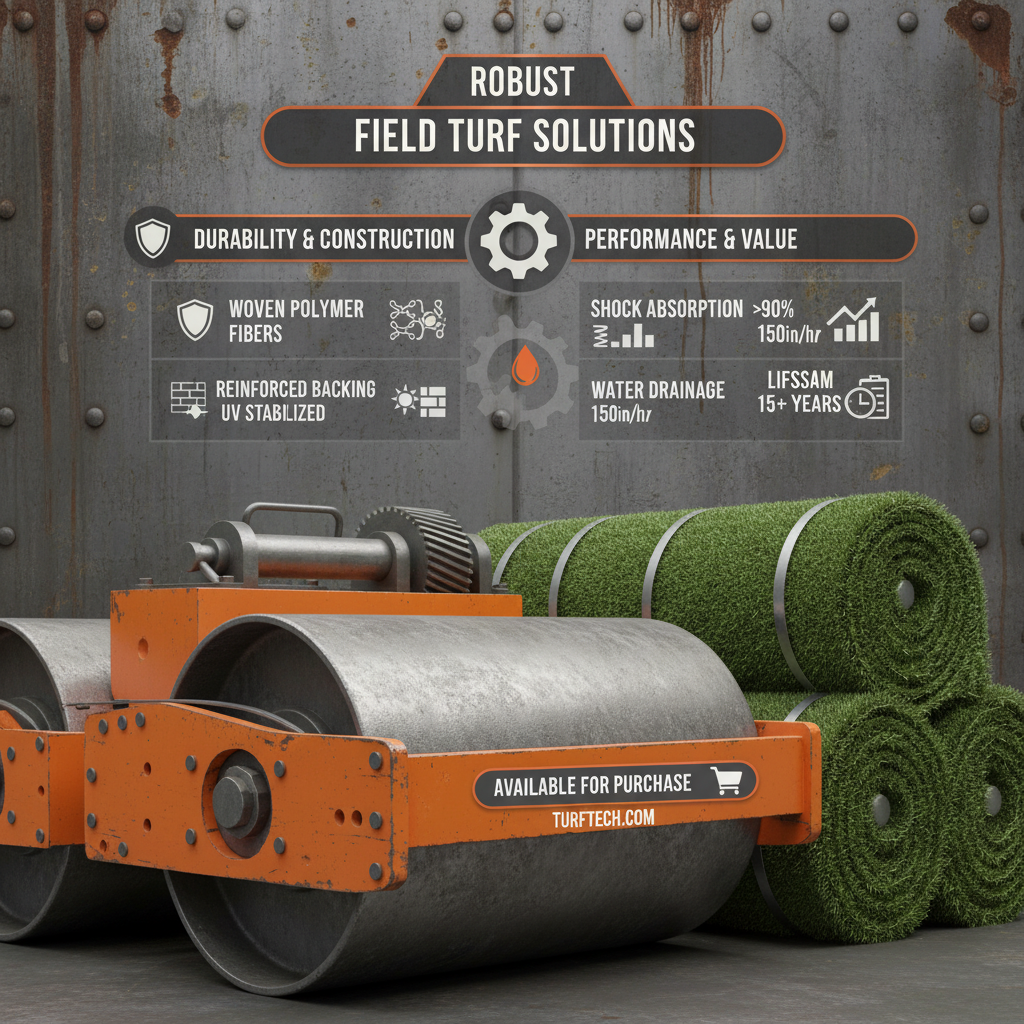
Field turf for sale is a synthetic surface designed to replicate the appearance and performance characteristics of natural grass. It is typically composed of synthetic fibers – often polyethylene, polypropylene, or nylon – woven or tufted into a backing material. This backing is then coated with a stabilizing layer, often including recycled materials, and finally “infilled” with rubber granules or sand to provide cushioning and support.
The connection to modern industry lies in the advanced manufacturing processes and materials science employed in its creation. It embodies a shift towards engineered solutions for recreational and athletic spaces, providing predictable performance and reduced environmental impact compared to traditional grass maintenance practices. The continuous development of new materials and technologies ensures field turf for sale remains at the forefront of surface innovation.
Furthermore, field turf aligns with humanitarian needs by offering playable surfaces in regions with limited water resources or challenging climates. Its durability and low-maintenance requirements make it an ideal solution for providing safe and accessible recreational spaces in underserved communities and disaster-affected areas.
Core Components of Field Turf
The performance of field turf for sale is directly linked to several key components. First, fiber type significantly impacts durability, texture, and resistance to wear. Polyethylene fibers offer a softer feel, while nylon provides greater resilience. Second, pile height – the length of the fibers – affects the cushioning and playability of the surface. Higher pile heights generally provide more cushioning.
Third, the backing material is crucial for stability and drainage. Woven backings offer superior strength and dimensional stability. Fourth, the infill material (typically rubber granules or sand) provides cushioning, support, and helps the fibers stand upright. The type and amount of infill impact the surface’s responsiveness and shock absorption. Finally, density refers to the amount of fibers per square unit, a denser surface provides increased durability and a more natural look.
These components interact to create a surface that mimics the characteristics of natural grass. The quality and combination of these elements directly influence factors such as player safety, maintenance requirements, and overall lifespan. Selecting the right combination of components is paramount to ensure optimal performance and longevity of the field turf for sale.
Understanding the role of each component allows purchasers to specify the ideal field turf solution for their particular application, whether it's a high-traffic soccer field or a low-use residential lawn. Proper specification ensures a surface that delivers consistent performance, minimizes injury risk, and maximizes the return on investment.
Global Applications of Field Turf
Field turf for sale has become ubiquitous across a wide range of applications globally. In the sports sector, it is extensively used in football (soccer), American football, baseball, rugby, and field hockey, providing a consistent and reliable playing surface regardless of weather conditions. Professional and collegiate sports teams increasingly favor field turf for its durability and performance characteristics.
Beyond sports, field turf is also gaining popularity in recreational spaces like parks, playgrounds, and residential lawns. Its low-maintenance requirements and aesthetic appeal make it an attractive option for homeowners and landscape architects. The use of field turf is expanding rapidly in urban environments, where space is limited and natural grass can be difficult to maintain.
Field Turf for Sale: Application Breakdown by Region
Advantages & Long-Term Value
The advantages of choosing field turf for sale are numerous. From a cost perspective, while the initial investment might be higher than natural grass, the long-term savings on maintenance – including watering, mowing, fertilization, and pest control – are significant. Sustainability is another key benefit, as field turf reduces water consumption and eliminates the need for harmful chemicals.
Beyond these practical benefits, field turf offers improved playability and consistent performance. It provides a safer surface with better shock absorption and reduced risk of injuries. The aesthetic appeal and year-round usability contribute to increased utilization of recreational spaces, enhancing community engagement and providing a valuable asset for schools and sports organizations.
Future Trends in Field Turf Technology
Innovation in field turf for sale is continuously evolving. Current research focuses on developing more sustainable materials, including bio-based fibers and recycled infill options. Smart turf systems, incorporating sensors to monitor moisture levels, temperature, and wear, are emerging, allowing for optimized maintenance and improved performance.
We are also seeing advances in fiber technology, such as monofilament fibers with enhanced durability and realism. Furthermore, research into antimicrobial turf surfaces, designed to inhibit the growth of bacteria and fungi, is gaining traction. These advancements promise to deliver even more sustainable, safe, and high-performing field turf solutions in the future.
Challenges and Innovative Solutions
Despite its many benefits, field turf for sale faces challenges. Heat buildup can be a concern in warmer climates, leading to increased surface temperatures. Proper infill selection and cooling technologies can mitigate this issue. Another challenge is the disposal of end-of-life turf, which can contain synthetic materials. Recycling programs and the development of biodegradable turf options are crucial for addressing this concern.
Furthermore, maintaining proper infill levels and addressing wear and tear require ongoing maintenance. Innovative solutions, such as automated infill distribution systems and advanced repair techniques, are emerging to simplify maintenance and extend the lifespan of the turf. By proactively addressing these challenges, the industry can ensure the long-term sustainability and performance of field turf solutions.
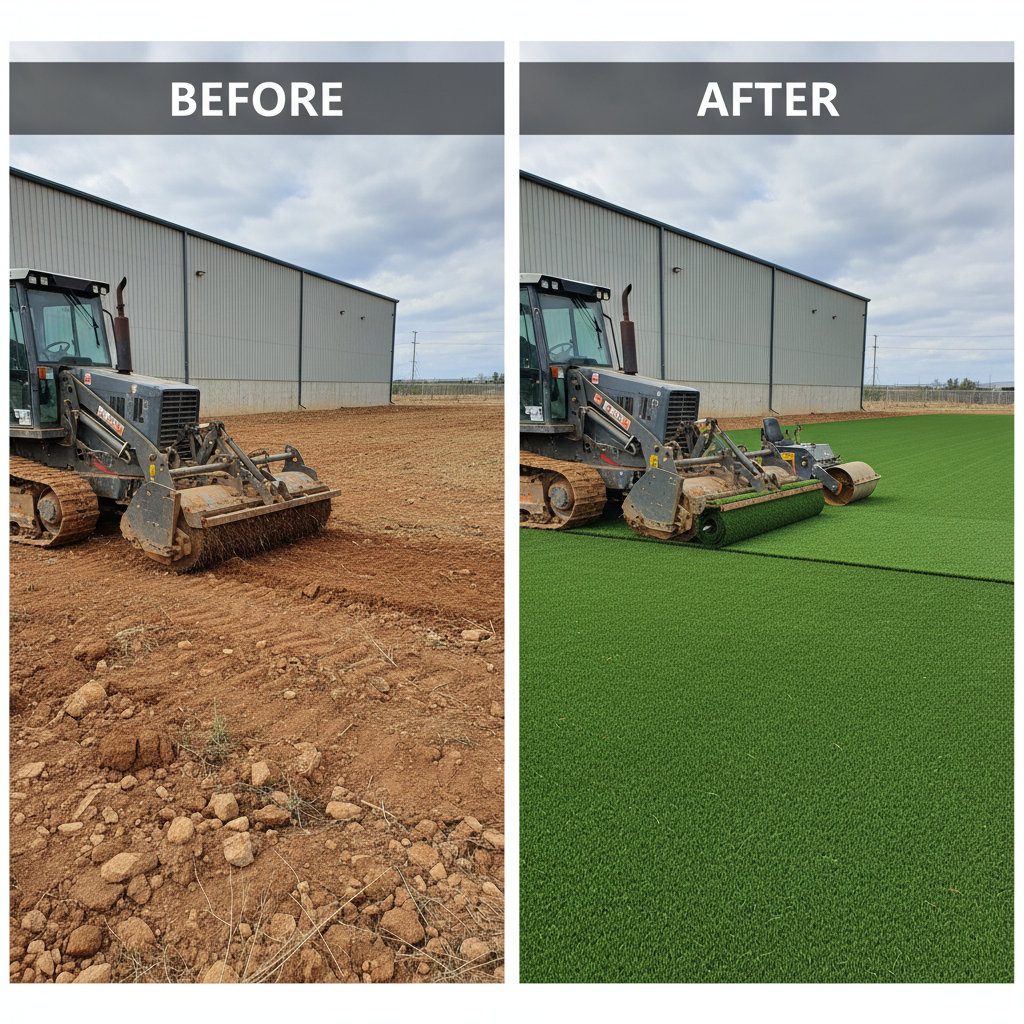
Proper installation is also key. Improperly installed field turf for sale can lead to uneven surfaces, drainage issues, and premature wear. Choosing qualified and experienced installers is essential for a successful project.
FAQS
The lifespan of field turf for sale typically ranges from 8 to 15 years, depending on the quality of the materials, the level of use, and the maintenance practices employed. Higher-quality turf with denser fibers and robust backing materials generally lasts longer. Regular brushing, infill replenishment, and prompt repairs can significantly extend the lifespan of the surface. Professional-grade turf installed with proper drainage and maintained diligently can exceed 15 years.
Field turf for sale requires significantly less maintenance than natural grass. Unlike natural grass, it doesn't need mowing, watering, fertilizing, or pesticide treatments. Regular maintenance primarily involves brushing the fibers to keep them upright, replenishing the infill material as needed, and performing occasional repairs to address wear and tear. This translates to substantial cost savings in terms of labor, water, and materials.
Field turf for sale can be environmentally friendly, especially compared to traditional natural grass maintenance. It conserves water, eliminates the need for fertilizers and pesticides, and can be made from recycled materials. However, the end-of-life disposal of turf is a concern. Manufacturers are increasingly focusing on developing recyclable turf options and partnering with recycling facilities to minimize environmental impact.
Common infill materials for field turf for sale include crumb rubber (recycled tires), sand, and organic infills like coconut coir or cork. Crumb rubber is the most widely used due to its cost-effectiveness and cushioning properties. Sand provides stability but offers less cushioning. Organic infills are gaining popularity as more environmentally friendly alternatives, offering good cushioning and temperature regulation.
Field turf for sale generally performs well in a wide range of weather conditions. It offers excellent drainage, preventing waterlogging during heavy rain. It's also resistant to damage from extreme heat and cold. However, in very hot climates, surface temperatures can rise, requiring cooling solutions like irrigation or specialized infill materials.
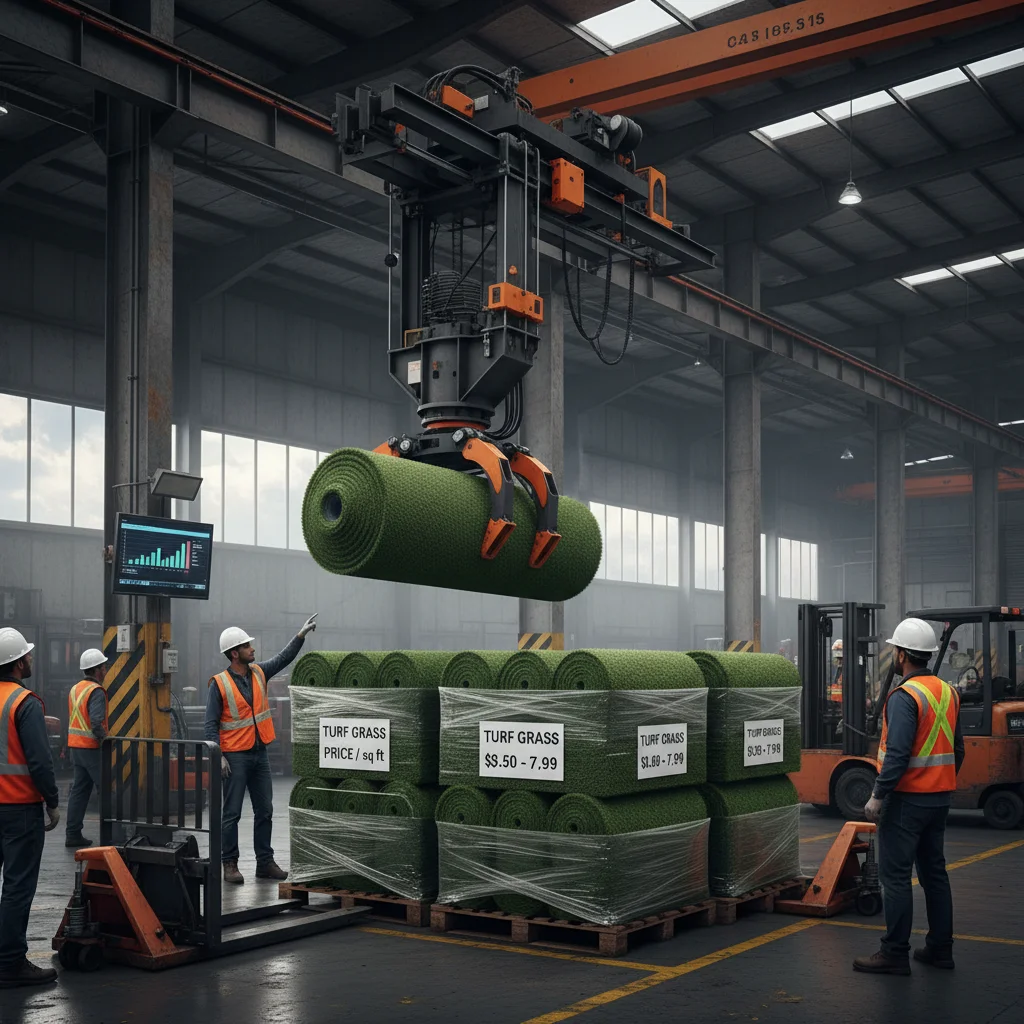
The cost of installing field turf for sale varies depending on factors such as the size of the area, the type of turf selected, the complexity of the installation, and the geographic location. Typically, installation costs range from $5 to $20 per square foot, including materials, labor, and site preparation. It’s important to obtain quotes from multiple reputable installers to ensure a competitive price.
Conclusion
In conclusion, field turf for sale represents a transformative technology in surface management, offering a compelling combination of durability, performance, and sustainability. Its ability to address the challenges of natural grass maintenance, coupled with its versatility and long-term value, has made it a preferred choice for a growing number of applications worldwide.
Looking ahead, continued innovation in materials, installation techniques, and recycling programs will further enhance the environmental and economic benefits of field turf. By embracing these advancements and prioritizing quality and responsible practices, we can ensure that field turf remains a viable and sustainable solution for recreational and athletic spaces for years to come. Visit our website at field turf for sale to explore our range of products and solutions.