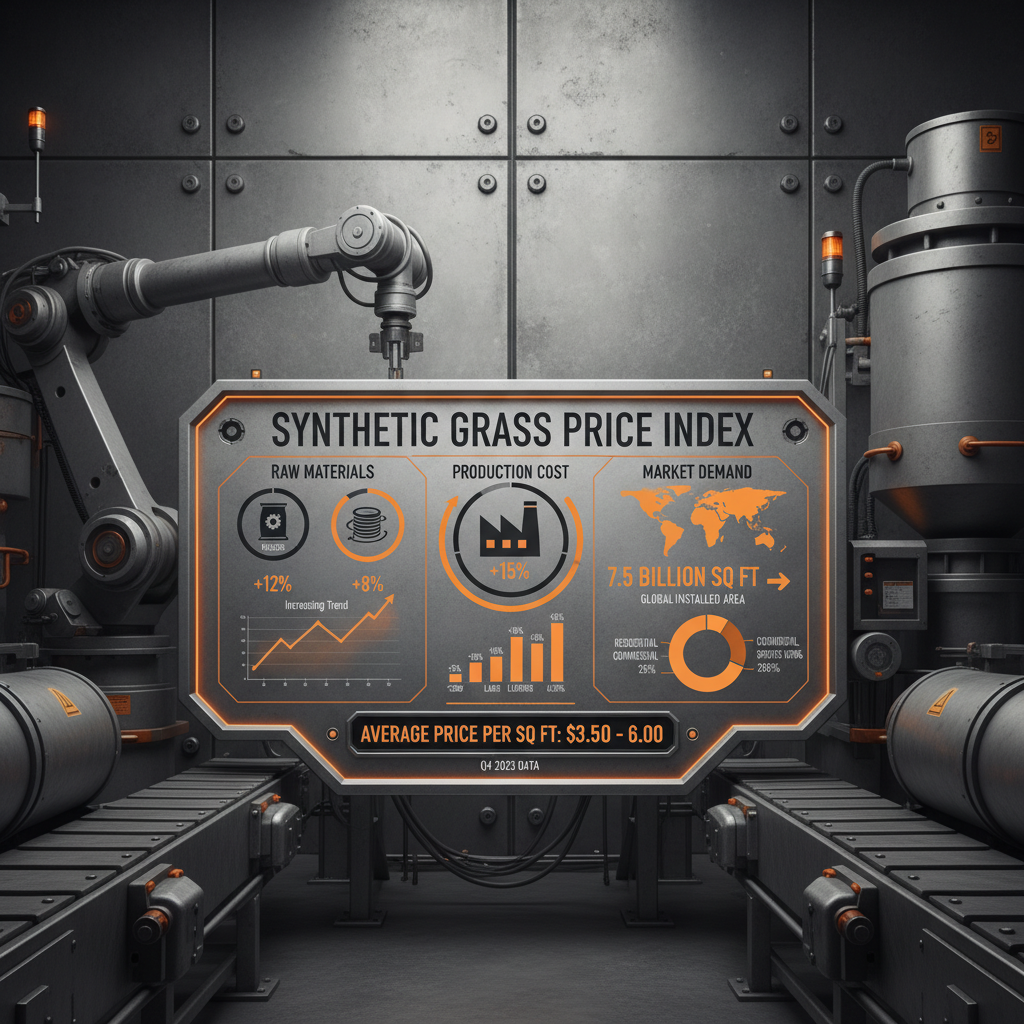
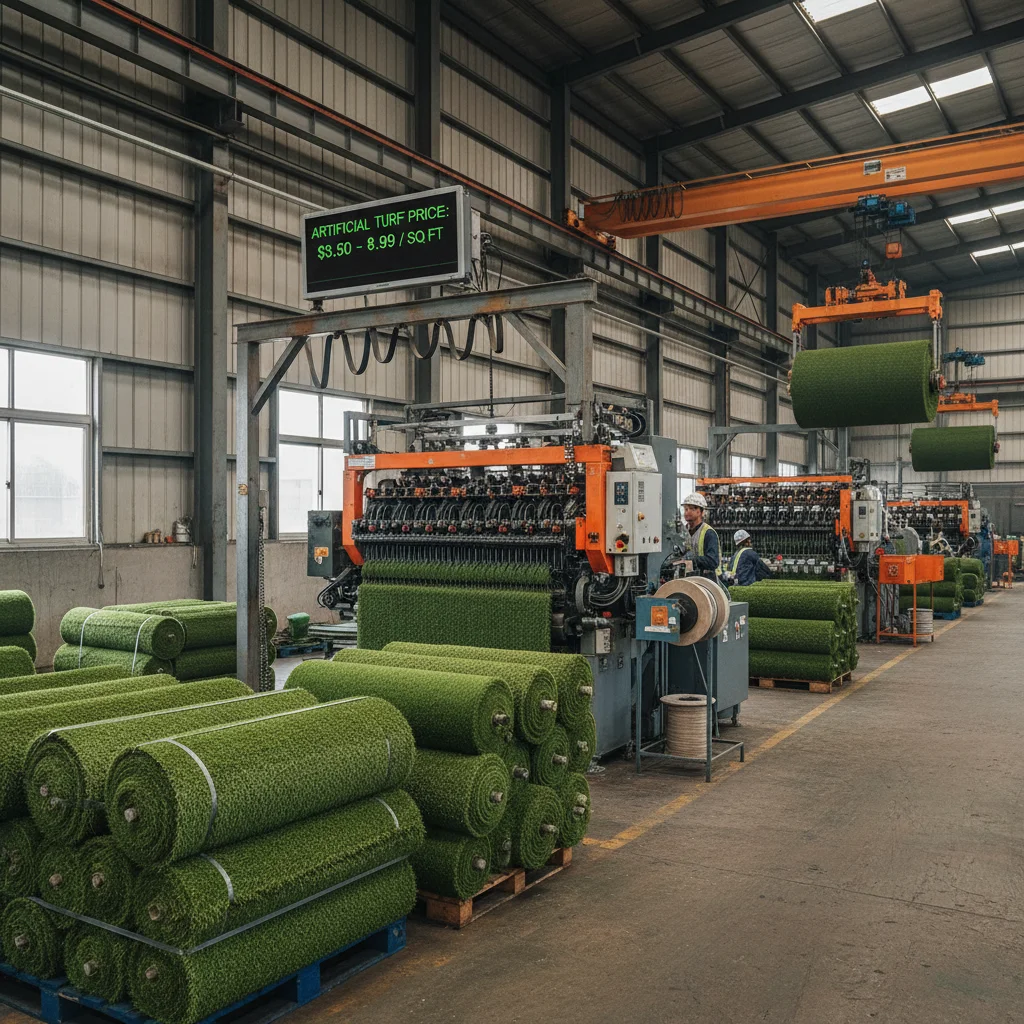
Synthetic grass price, a crucial consideration for a wide range of applications, has become increasingly relevant in today’s world. From residential lawns and athletic fields to commercial landscaping and recreational areas, the demand for artificial turf is steadily rising. This growth is fueled by factors like water conservation efforts, reduced maintenance requirements, and advancements in manufacturing technologies. Understanding the nuances of synthetic grass price is essential for consumers, businesses, and municipalities alike, as it directly impacts project budgets and long-term operational costs.
The global synthetic turf market is experiencing substantial expansion, with projections indicating continued growth in the coming years. According to industry reports, the market size was valued at approximately $2.8 billion in 2023 and is expected to reach $4.2 billion by 2030, representing a compound annual growth rate (CAGR) of over 6%. This growth is driven by a confluence of factors, including increasing urbanization, concerns about environmental sustainability, and the desire for aesthetically pleasing and durable outdoor surfaces. The economic impact of synthetic grass price extends beyond just the manufacturing sector, influencing associated industries like installation, maintenance, and landscaping.
Navigating the various price points for synthetic grass can be complex. The cost isn’t solely determined by square footage, but also by factors like pile height, fiber material, backing construction, and installation complexity. This guide aims to demystify the world of synthetic grass price, providing a comprehensive overview of the factors influencing cost, applications, advantages, and future trends, empowering you to make informed decisions for your specific needs.
The Growing Importance of Synthetic Grass Price
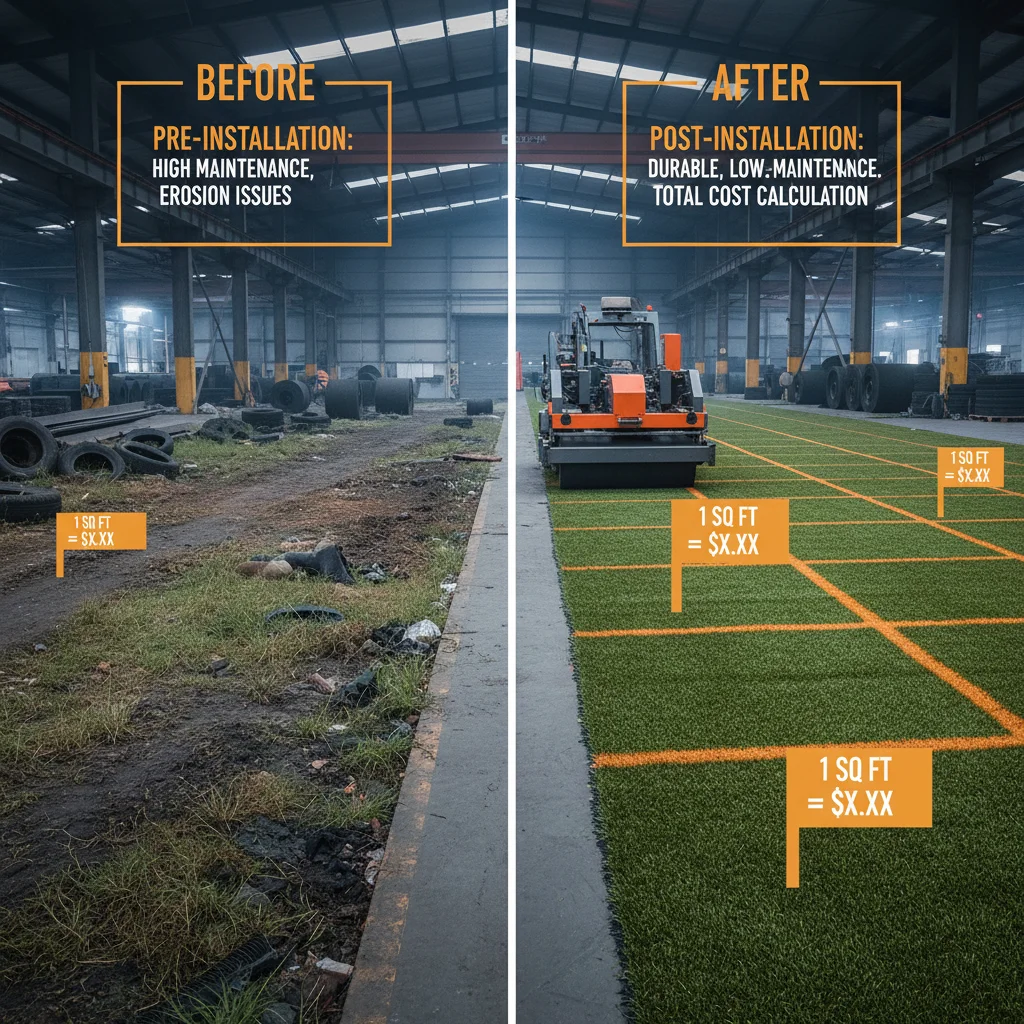
The significance of understanding synthetic grass price extends beyond simply finding the cheapest option. It’s about recognizing the total cost of ownership, encompassing initial installation, ongoing maintenance, and the lifespan of the product. For example, while natural grass requires regular watering, mowing, and fertilization, synthetic grass drastically reduces these expenses, ultimately impacting the long-term synthetic grass price. This is particularly important for large-scale projects, such as sports facilities or municipal parks, where these cost savings can be substantial.
Furthermore, awareness of synthetic grass price variations is crucial for making informed choices about quality. Lower-priced options might utilize cheaper materials or construction techniques, leading to reduced durability and a shorter lifespan. Investing in higher-quality synthetic turf, even with a higher initial synthetic grass price, can prove more cost-effective in the long run due to its longevity and reduced need for replacements. Considering factors like UV resistance, fiber density, and backing quality will ultimately contribute to a better return on investment.
Understanding Synthetic Grass Price: A Definition
Synthetic grass price refers to the total cost associated with acquiring and installing artificial turf. This encompasses the cost of the turf itself (per square foot or roll), as well as expenses related to site preparation, materials (such as infill and geotextile fabric), labor, and any necessary accessories. The synthetic grass price can fluctuate considerably depending on the quality of the turf, the complexity of the installation, and geographic location.
It's important to distinguish between the material cost and the installed cost. The material cost represents the price of the synthetic grass roll itself, while the installed cost includes all associated expenses, bringing the total expenditure into focus. A comprehensive understanding of both figures is necessary for accurate budgeting and comparison shopping. Consider synthetic grass price when evaluating your options.
In the modern landscape industry, synthetic grass is increasingly seen as a viable alternative to natural turf, especially in regions facing water scarcity or demanding high-usage scenarios. Its adoption aligns with a growing global focus on sustainability and efficient resource management. Understanding the breakdown of synthetic grass price allows stakeholders to assess the long-term economic and environmental benefits of this alternative.
Key Factors Influencing Synthetic Grass Price
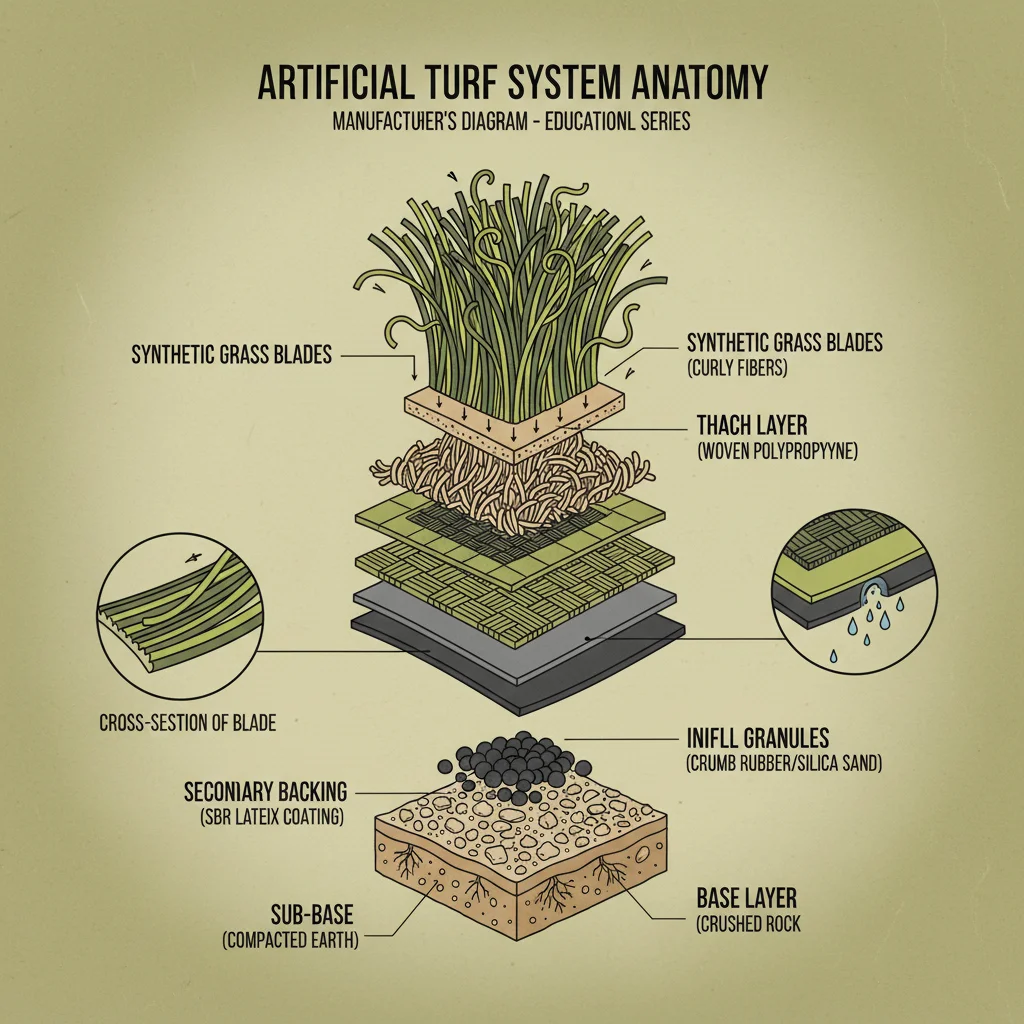
Several key factors significantly influence the overall synthetic grass price. Firstly, the type of fiber used – polyethylene, polypropylene, or nylon – plays a crucial role. Nylon fibers are generally the most durable and expensive, while polypropylene is the most affordable but least resilient. Polyethylene strikes a balance between cost and performance and is the most commonly used material. The denier (thickness) of the fiber also impacts the price, with thicker fibers generally commanding a higher cost.
Secondly, pile height, measured in millimeters, influences both the price and the feel of the turf. Longer pile heights offer a more luxurious and realistic appearance but tend to be more expensive. Thirdly, the backing construction – woven or tufted – affects durability and drainage. Woven backings are generally stronger and more resilient. Finally, the amount of infill (typically silica sand and rubber granules) required also impacts the overall cost, as it contributes to cushioning, stability, and drainage.
Installation costs are also a major component of the synthetic grass price. These costs vary depending on the complexity of the site, the amount of site preparation required (leveling, excavation), and labor rates in your area. Factors like accessibility, landscaping features, and the need for drainage solutions can all contribute to higher installation expenses.
Global Applications and Use Cases of Synthetic Grass
Synthetic grass has found widespread adoption across a diverse range of applications globally. In the sports industry, it's prevalent in soccer, football, rugby, baseball, and tennis, providing a consistent and durable playing surface. Many professional sports teams and stadiums have transitioned to synthetic turf to minimize downtime due to weather and reduce maintenance costs. This use dramatically affects the synthetic grass price invested in these facilities.
Beyond sports, synthetic grass is increasingly popular in residential landscaping, offering homeowners a low-maintenance and aesthetically pleasing lawn alternative. It's also commonly used in commercial landscaping projects, such as office parks, shopping centers, and hotel grounds. In regions facing water restrictions, synthetic grass provides a sustainable solution for maintaining green spaces. Furthermore, it’s utilized in recreational areas like playgrounds, dog parks, and putting greens.
Specific examples include the widespread use of synthetic turf in schools and universities across the United States, where it’s favored for athletic fields and playgrounds. In arid regions of the Middle East, synthetic grass is a crucial component of urban landscaping, conserving water and providing green spaces in harsh climates. Even in post-disaster relief operations, quick-deploy synthetic grass solutions offer a temporary and hygienic surface for displaced populations.
Synthetic Grass Price Comparison by Application
Advantages and Long-Term Value of Synthetic Turf
The advantages of synthetic turf extend beyond mere aesthetics. Perhaps the most significant benefit is reduced maintenance. Unlike natural grass, synthetic turf requires no mowing, watering, fertilizing, or pest control, translating into substantial cost savings and reduced environmental impact. This makes it an attractive option for homeowners, businesses, and municipalities looking to minimize operational expenses.
Furthermore, synthetic turf offers enhanced durability and resilience. It can withstand heavy foot traffic and extreme weather conditions, maintaining its appearance and functionality for years to come. This longevity contributes to a lower total cost of ownership compared to natural grass, which requires frequent reseeding, repair, and replacement. Understanding these factors is essential when assessing synthetic grass price and making informed investment decisions.
Future Trends and Innovations in Synthetic Grass Technology
The synthetic grass industry is constantly evolving, with ongoing innovations aimed at improving performance, sustainability, and aesthetics. One key trend is the development of bio-based synthetic turf, utilizing renewable materials to reduce the environmental footprint. This aligns with a growing global emphasis on eco-friendly products and sustainable practices.
Another trend is the integration of smart technologies, such as embedded sensors that monitor moisture levels, temperature, and usage patterns. This data can be used to optimize maintenance schedules and improve turf performance. Furthermore, advancements in fiber technology are leading to more realistic and durable synthetic turf options, blurring the lines between artificial and natural surfaces.
Challenges and Solutions in the Synthetic Grass Market
Despite its numerous advantages, the synthetic grass market faces certain challenges. One concern is the potential for heat buildup, particularly in warm climates. However, advancements in cooling technologies, such as evaporative cooling systems and specialized infill materials, are mitigating this issue. Another challenge is the disposal of end-of-life synthetic turf, as it’s not readily recyclable.
Innovative solutions, such as chemical recycling processes and the development of biodegradable synthetic turf materials, are being explored to address this challenge. Furthermore, concerns about the environmental impact of plastic-based turf are driving research into more sustainable materials and manufacturing processes. Ensuring responsible sourcing, production, and disposal practices is crucial for the long-term sustainability of the synthetic grass industry.
Ultimately, continued innovation and a commitment to sustainability will be key to overcoming these challenges and unlocking the full potential of synthetic grass.
Summary of Key Factors Influencing Synthetic Grass Price and Longevity
| Fiber Type |
Pile Height (mm) |
Infill Type & Amount |
Installation Complexity |
| Polyethylene |
30-40 |
Silica Sand & Rubber Granules (Moderate) |
Standard Residential Lawn |
| Nylon |
45-60 |
Silica Sand & Cork (High) |
High-Traffic Sports Field |
| Polypropylene |
20-30 |
Silica Sand (Low) |
Simple Landscape Application |
| Polyethylene |
35-45 |
Silica Sand & Coated Rubber (Moderate) |
Dog Run with Drainage System |
| Nylon |
50-65 |
Silica Sand & Specialized Cooling Infill (High) |
Professional Soccer Field |
| Polypropylene |
25-35 |
Silica Sand (Low) |
Small Putting Green |
FAQS
Several factors play a significant role in determining the final synthetic grass price. These include the type of fiber (polyethylene, polypropylene, or nylon), pile height, backing construction, infill material, and the complexity of the installation process. Site preparation, such as leveling and drainage installation, can also substantially impact the total cost. Comparing quotes from multiple installers is essential to get a comprehensive understanding of all associated expenses.
While the initial investment for synthetic grass is typically higher than natural grass, it often proves more cost-effective in the long run. Natural grass requires ongoing expenses for mowing, watering, fertilizing, pest control, and reseeding. Synthetic grass eliminates these costs, reducing maintenance expenses significantly. Considering the lifespan of synthetic turf (typically 8-15 years) and its reduced maintenance requirements, the total cost of ownership can be lower than natural grass.
Synthetic grass can offer environmental benefits, particularly in water-scarce regions. It eliminates the need for watering, reducing water consumption and associated costs. It also eliminates the use of fertilizers and pesticides, minimizing chemical runoff. However, the production and disposal of synthetic turf raise environmental concerns. Choosing recycled materials and exploring end-of-life recycling options can help mitigate these impacts.
The lifespan of synthetic grass varies depending on the quality of the turf, the amount of foot traffic it receives, and the climate conditions. Generally, high-quality synthetic turf can last between 8 and 15 years, with proper maintenance. Regular brushing, infill replenishment, and occasional cleaning can extend its lifespan. Warranties typically range from 5 to 10 years, providing some level of protection against premature wear and tear.
The cost of professional synthetic grass installation varies significantly based on location, site complexity, and the type of turf chosen. On average, installation costs can range from $7 to $15 per square foot, including materials and labor. Factors like site preparation (leveling, excavation), drainage installation, and the need for edging or retaining walls can increase the overall cost. Obtaining multiple quotes from reputable installers is recommended.
Synthetic grass requires minimal maintenance compared to natural grass. Regular brushing to maintain fiber uprightness, replenishing infill as needed, and occasional cleaning to remove debris are the primary maintenance tasks. Periodic disinfection can also help prevent the buildup of bacteria and odors. Avoid using metal rakes or sharp objects that could damage the fibers. With proper care, synthetic grass can maintain its appearance and functionality for years.
Conclusion
In conclusion, understanding synthetic grass price is paramount for making informed decisions in both residential and commercial contexts. It’s not solely about the upfront cost, but rather a holistic assessment encompassing material quality, installation expenses, long-term maintenance requirements, and environmental impact. As technology advances and sustainable practices gain prominence, the synthetic grass market is poised for continued growth and innovation, offering increasingly cost-effective and eco-friendly solutions.
Looking ahead, the integration of smart technologies, the development of bio-based materials, and improved recycling processes will further enhance the value proposition of synthetic turf. By embracing these advancements and prioritizing responsible sourcing and disposal practices, we can unlock the full potential of synthetic grass as a sustainable and aesthetically pleasing alternative to natural turf. For further information and to explore available options, visit our website: synthetic grass price.