19 March 2026
Looking for a durable and convenient solution for your furry friend's potty breaks? An artificial grass mat for dogs can be a game-changer! It provides a clean, comfortable, and hygienic surface for your dog to relieve themselves, whether indoors or on a balcony. This article will explore the benefits, types, installation, and maintenance of these mats, helping you choose the best option for your canine companion. Say goodbye to messy accidents and hello to a stress-free potty experience for both you and your pet!
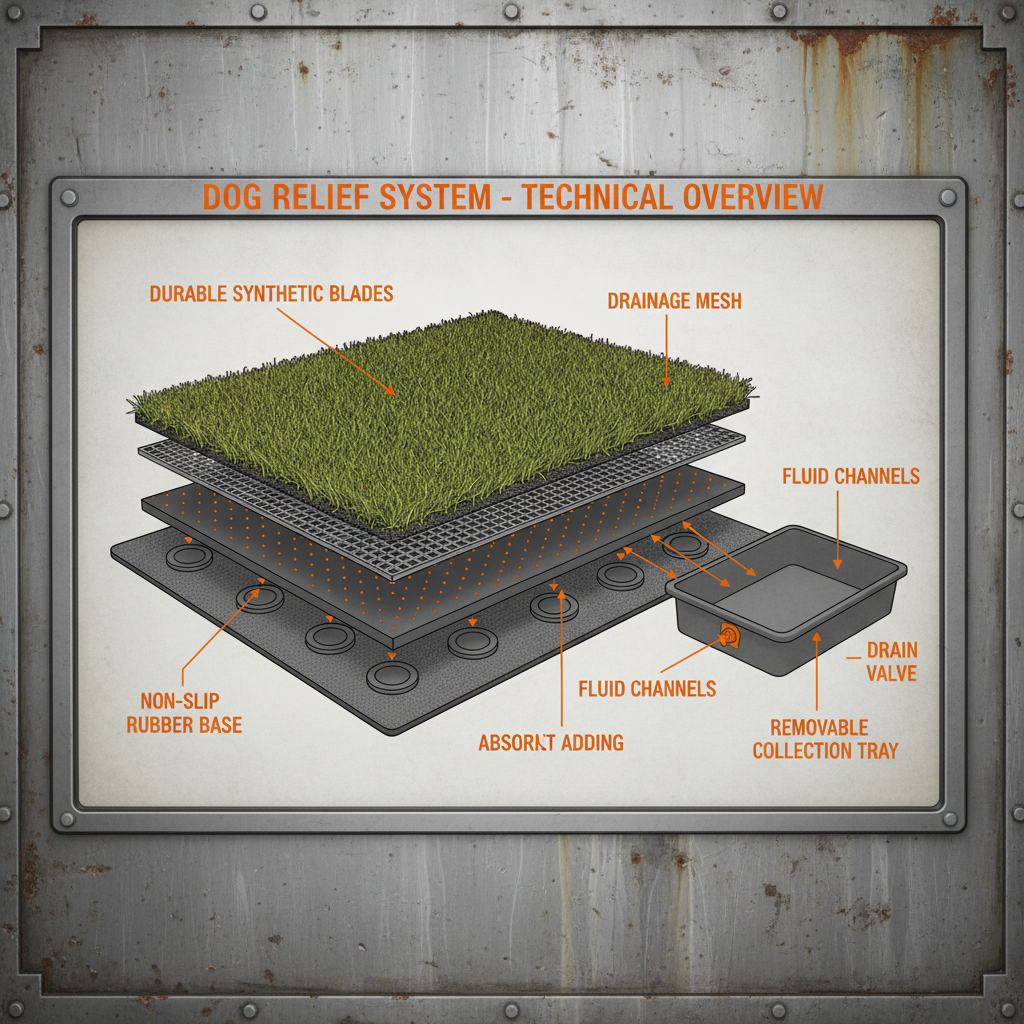
Traditional potty training can be challenging, especially for apartment dwellers or owners with limited outdoor space. Artificial grass mats offer a fantastic alternative. They mimic the feel of real grass, encouraging your dog to use the designated area. This is particularly useful for dogs who are hesitant to eliminate on concrete or other hard surfaces. Beyond convenience, these mats are easy to clean, eliminating odors and maintaining hygiene. They’re also a great option for senior dogs or those with mobility issues who may have difficulty getting outside.
Key Benefits: Encourages natural potty behavior, easy to clean and maintain, ideal for indoor or balcony use, hygienic and odor-free, suitable for all dog breeds and ages.
Not all artificial grass mats for dogs are created equal. They vary in terms of materials, pile height, drainage capabilities, and size. Common types include:
Choosing the right type depends on your dog’s size, your budget, and where you plan to use the mat.
Key Considerations:
• Material durability (PE vs. PP)
• Effective drainage system
• Size appropriate for your dog
• Ease of cleaning
To help you decide, here's a comparison of popular features and their benefits:
Installing an artificial grass mat for dogs is generally straightforward. Simply unroll the mat and place it on a flat, stable surface. For indoor use, consider placing a waterproof liner underneath to protect your flooring. Maintenance is equally easy: regularly rinse the mat with water to remove waste. For stubborn odors, use an enzymatic cleaner specifically designed for pet waste. Avoid harsh chemicals that could damage the grass fibers or harm your dog. Brush the fibers occasionally to keep them upright and looking fresh. Xiongyigrass provides detailed guides on installation and cleaning.
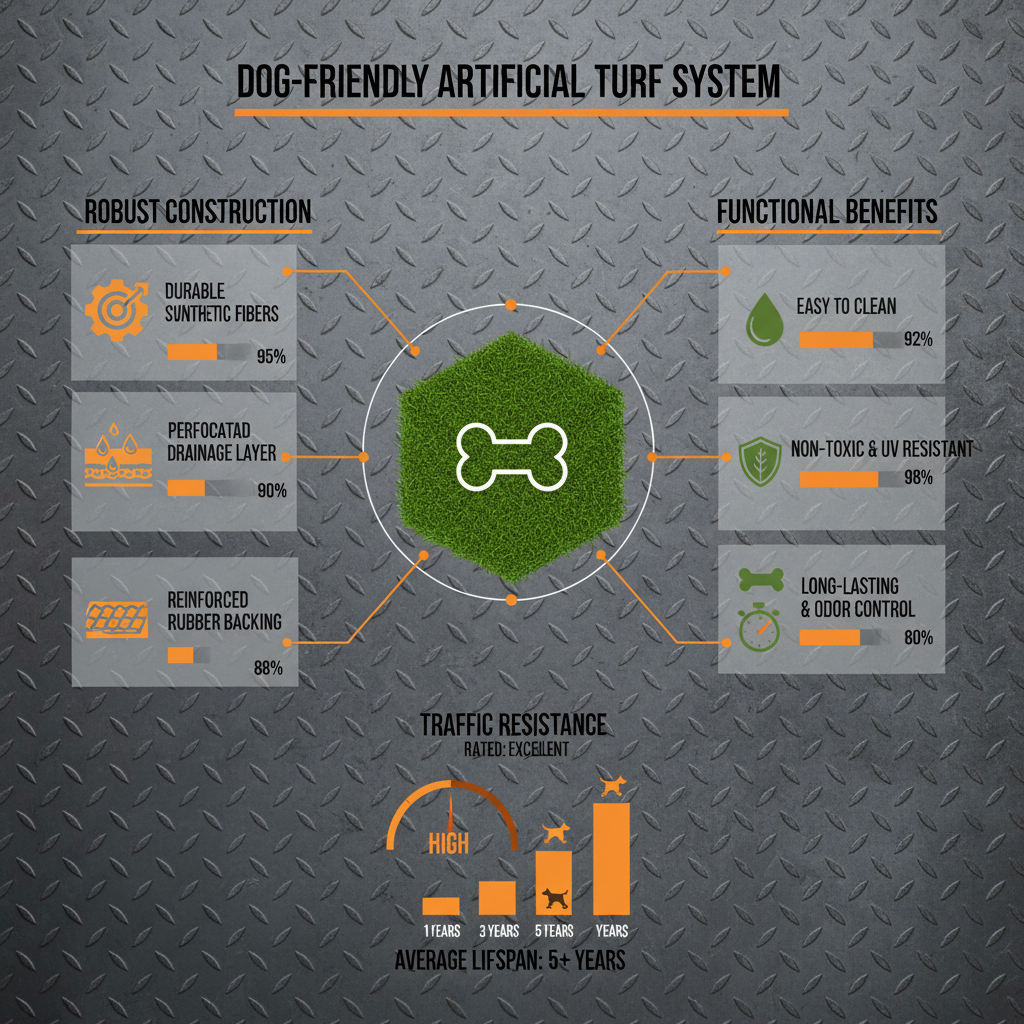
Selecting the correct size is vital for your dog's comfort and successful use of the mat. Consider the following guidelines:
Investing in an artificial grass mat for dogs is a smart and convenient way to simplify potty training and maintain a clean and hygienic environment for your furry friend. With the variety of options available, you can find the perfect mat to suit your dog's needs and your lifestyle.
The frequency of cleaning depends on how often your dog uses the mat. However, it's generally recommended to rinse the mat with water at least once a week, or more frequently if needed. For solid waste, remove it immediately and rinse the area thoroughly. A deeper clean with an enzymatic cleaner should be performed monthly, or as needed to eliminate odors. Regular cleaning prevents bacteria buildup and maintains the mat's hygiene.
Generally, yes, artificial grass is safe for dogs. However, it's crucial to choose a high-quality mat made from non-toxic materials like polyethylene (PE). Avoid mats with lead or other harmful chemicals. Ensure the mat has a good drainage system to prevent the buildup of bacteria. Monitor your dog for any allergic reactions or skin irritation, though these are rare.
Yes, many artificial grass mats are designed for outdoor use. However, ensure the mat has a good drainage system to prevent waterlogging. Consider choosing a mat with UV protection to prevent fading from sunlight. Secure the mat to prevent it from blowing away in windy conditions. Regular cleaning is especially important for outdoor mats to remove debris and maintain hygiene.
When not in use, thoroughly clean and dry the artificial grass mat. Store it in a cool, dry place away from direct sunlight. Roll it up loosely and avoid folding it tightly to prevent creases. Storing it in a breathable bag will help prevent mold and mildew.




Hit enter to search or ESC to close