8 December 2025
In the high-impact world of competitive and recreational soccer, the playing surface is a critical component that directly influences both performance and player safety. Modern grass for soccer has evolved far beyond its early iterations, with a paramount focus on creating a durable, high-performing surface that can withstand the intense physical demands of the sport. Hebei Xiongyi Rubber & Plastic Products Co., Ltd. specializes in engineering advanced synthetic turf systems where exceptional abrasion resistance is a foundational characteristic. This resistance is not merely about longevity; it is intrinsically linked to player safety, ensuring the surface remains consistent, secure, and non-abrasive to skin upon contact during slides, tackles, and falls. Our football artificial grass is designed to deliver a reliable, high-traction surface that minimizes wear-related hazards, providing a safe and consistent platform for athletes at every level.

l Abrasion resistance is a defining performance metric for football artificial grass, impacting everything from player safety to long-term field economics. This characteristic refers to the turf system's ability to withstand the mechanical wear caused by constant foot traffic, sliding tackles, equipment drag, and rotational forces without degrading.
l For players, a surface with poor abrasion resistance can become harsh, leading to increased incidence of "turf burns" and discomfort. Hebei Xiongyi engineers this resilience into our football artificial grass through multiple factors. We utilize high-quality, durable polymer yarns with enhanced tensile strength and a textured profile that resists fraying.
l The density and pile height of the turf are optimized to ensure fibers remain upright and cushioned even under load, while the stability of the primary backing prevents excessive yarn pull-out. This engineered durability ensures the turf soccer field maintains a consistent, player-friendly surface throughout thousands of hours of play.
l A professional turf soccer field is a sophisticated, multi-layered engineered system designed for safety and performance. The surface layer, the grass for soccer itself, is tufted into a dimensionally stable multi-layer backing that allows for efficient drainage.
l Beneath this lies a critical shock-absorbing pad, which reduces impact forces on players' joints and muscles, a key component for injury prevention. The system is completed with performance infill—typically a blend of silica sand and SBR rubber granules—which weighs down the turf, keeps fibers upright, and provides essential cushioning and energy restitution.
l Hebei Xiongyi designs each component of this turf soccer field system to work in harmony. The infill depth, fiber type, and shock pad are all calibrated to achieve optimal metrics for ball roll, bounce, rotational resistance, and vertical deformation, creating a surface that is not only safe but also meets the rigorous playability standards demanded by the sport.
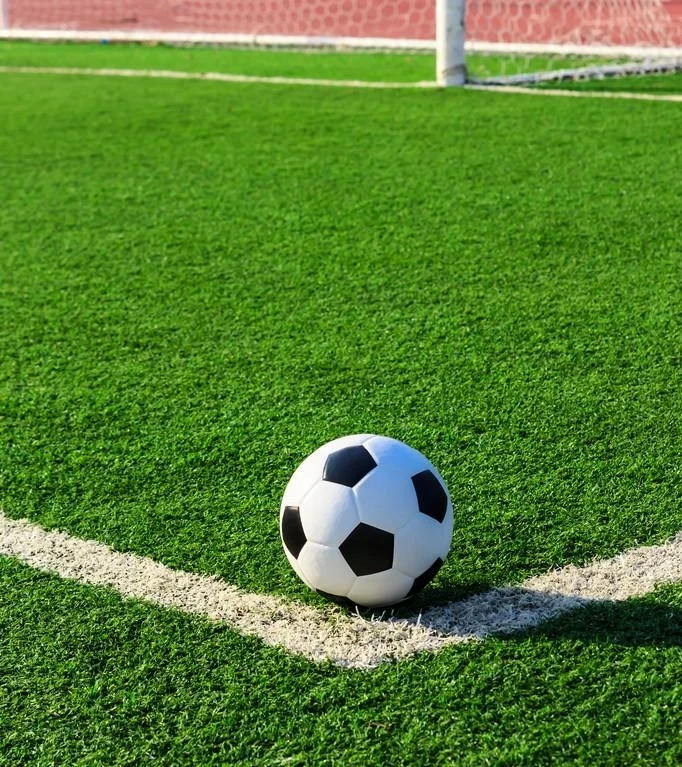
l The durability and performance of grass for soccer are rooted in advanced material science. Hebei Xiongyi selects and processes premium polymers, primarily polyethylene, for the turf fibers. This material offers an ideal balance of softness for player comfort and strength for long-term wear resistance.
l The yarn is often extruded with a slit-film or monofilament structure and may feature a textured, diamond-shaped, or dual-polymer construction to enhance durability, resilience, and abrasion resistance. Furthermore, the yarn is treated with UV stabilizers to prevent degradation from sunlight, ensuring color fastness and fiber integrity for years.
l The primary backing is typically a composite of polyester and polypropylene, designed for high tuft lock to prevent fiber loss and excellent dimensional stability. These material choices, combined with precise manufacturing, result in grass for soccer that delivers consistent performance, minimal maintenance, and a long service life under intense athletic use.
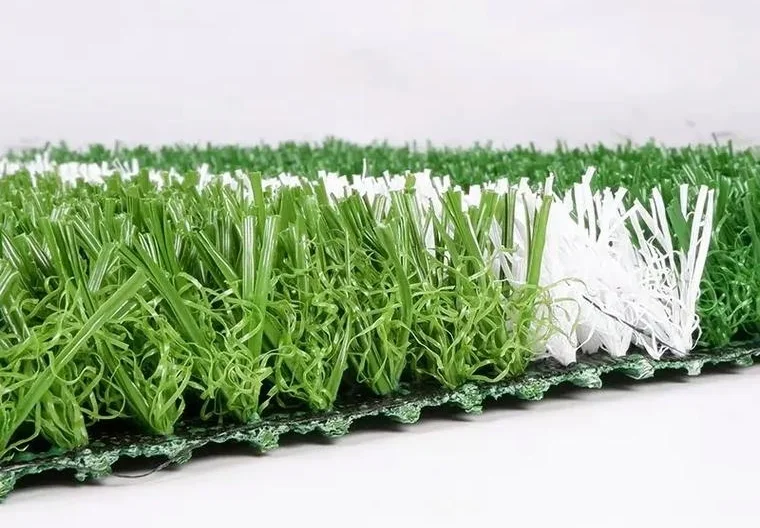
High-quality grass for soccer uses soft yet durable polyethylene fibers and ample performance infill to create a cushioned, consistent surface. This design minimizes harsh contact during slides, significantly reducing the friction and heat buildup that cause painful turf burns and abrasion injuries compared to older, harder synthetic surfaces.
Maintaining a football artificial grass pitch involves regular brushing to keep fibers upright, redistributing infill material, and removing debris. Periodic deep cleaning and grooming are needed to maintain optimal playability and drainage. This routine care is far less resource-intensive than the constant watering, mowing, and chemical treatment required by natural grass.
Yes, a properly constructed turf soccer field features a highly efficient drainage system integrated into the turf backing and base. This allows water to percolate through the surface rapidly, enabling play to resume quickly after heavy rainfall without the mud, puddles, or damage associated with waterlogged natural grass pitches.
The lifespan of a professional football artificial grass system is many years, even under intensive use. High-quality materials from manufacturers like Hebei Xiongyi, combined with correct installation and routine maintenance, ensure the pitch retains its performance characteristics, safety, and appearance throughout its extended service life.
Abrasion resistance of synthetic grass for soccer is tested using laboratory machines that simulate wear. A sample undergoes repeated cycles of friction from a standardized abrading head. The test measures the loss of fiber mass and assesses damage to the backing, ensuring the product meets stringent durability standards for athletic use.



Hit enter to search or ESC to close