3 December 2025
When we talk about backyard landscaping with artificial grass, it’s more than just sprinkling some green turf in your yard. It’s about crafting an outdoor space that’s low-maintenance, water-wise, and even environmentally friendly—oddly enough. This trend has grown worldwide, and frankly, it’s no surprise given the challenges many face with water scarcity and time constraints. Recognizing the benefits of artificial turf in backyard landscaping can truly transform how we approach outdoor living areas, whether in dry regions or busy urban settings.
The global relevance of backyard landscaping with artificial grass actually reflects broader environmental and social concerns. The United Nations has highlighted water conservation as a critical issue, with agriculture and landscaping consuming about 70% of global freshwater (1). In many parts of the world, towns and cities grapple with droughts and restrictions on water use. Against this backdrop, using synthetic grass reduces water usage significantly. Moreover, ISO standards in landscaping now emphasize sustainable practices (ISO 14001 on Environmental Management), indirectly encouraging such eco-friendly alternatives.
But water isn’t the only concern. Maintenance costs and time are rising everywhere, leading homeowners and commercial property managers to explore turf that stays green without endless upkeep. The idea is not just practical but essential given shifting climates and urban lifestyles.
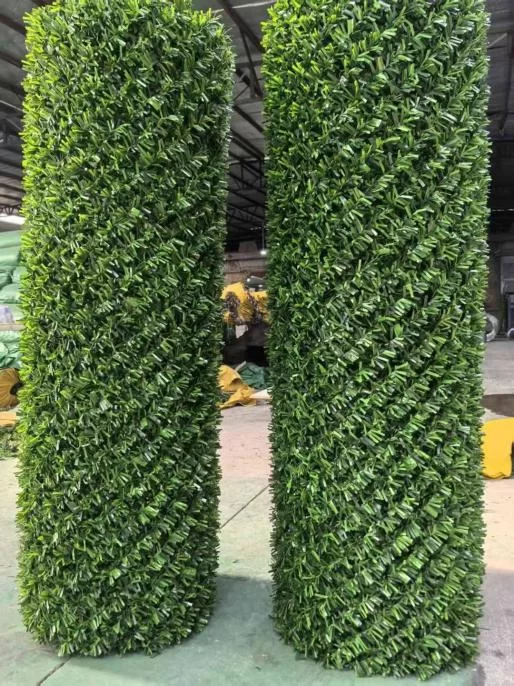
Simply put, backyard landscaping with artificial grass means integrating synthetic turf into outdoor spaces to mimic natural lawns but without many of the traditional hassles. Unlike natural grass, this turf is made from durable polymers designed to look and feel like real grass, providing a neat, clean, and always-green outdoor flooring.
It connects to modern landscaping by addressing humanitarian needs—especially in water-stressed or disaster-prone regions—and industry trends aiming for sustainability without sacrificing functionality. Landscaping firms, environmental planners, and community projects often opt for artificial grass when the goal is longevity and lower resource consumption.
Artificial grass is engineered to last years—even through wear and weather extremes. Many turfs are UV-resistant, which means no bleaching or fading from sun exposure. This durability is key for backyards that host kids, pets, or frequent outdoor activities.
The obvious plus is drastically reduced water usage since synthetic turf doesn’t grow or require irrigation. You save money on water bills, help conserve local resources, and avoid harmful pesticides or fertilizers.
Although the initial installation price might seem high, the low maintenance—no mowing, fertilizer, or pest control—means lower long-term costs and more free time, which is priceless in today’s busy world.
Artificial grass comes in various pile lengths, colors, and fiber types, letting you customize your green space. It’s also scalable—from small urban balconies to sprawling suburban backyards.
While the synthetic nature raises questions, many manufacturers now focus on recyclable materials and greener production processes. Plus, the water savings and chemical avoidance balance many environmental concerns.
| Feature | EcoLawn 30 | GreenField Pro | TurfMax Ultra |
|---|---|---|---|
| Pile Height | 30 mm | 35 mm | 40 mm |
| UV Resistance | 8 years | 10 years | 7 years |
| Recyclable Materials | Yes | Partial | No |
| Warranty | 10 years | 12 years | 8 years |
| Application | Residential/backyards | Sports and landscaping | Commercial/residential |
In dry climates such as parts of California, Australia, and the Middle East, artificial lawns help homeowners maintain green spaces without relentless watering. The approach has even found its way to urban high-rise rooftops and balconies, where real grass simply cannot thrive.
Commercially, hotels and resorts increasingly rely on synthetic grass for aesthetics and durability, especially in drought-prone areas. Municipal parks too experiment with synthetic turfs on playgrounds and public spaces to save water and improve safety.
Oddly enough, in refugee camps and disaster relief zones, temporary artificial turf spaces have helped create safe, clean play and gathering areas for displaced families, enhancing community well-being under tough conditions.
In real terms, it’s appealing to see your backyard green year-round without the sweat equity. And many installers have noted an emotional uptick in client satisfaction after switching from natural sod.
| Vendor | Price per sq. ft. | Customization Options | Eco Certifications | Customer Support |
|---|---|---|---|---|
| GreenField Corp | $5.50 | Multiple fiber types & colors | ISO 14001 | 24/7 Technical Support |
| EcoLawn Solutions | $4.75 | Standard turf options | LEED Compliant | Business hours only |
| TurfMax Industries | $6.25 | Premium custom blends | No eco certifications | Online chat & phone |
The green revolution in landscaping keeps evolving. Recent advances include bio-based polymers that make artificial turf more recyclable, and integrated smart sensors that monitor wear, temperature, and usability — quite fancy, huh? Digital transformation is also making procurement and installation quicker and more precise.
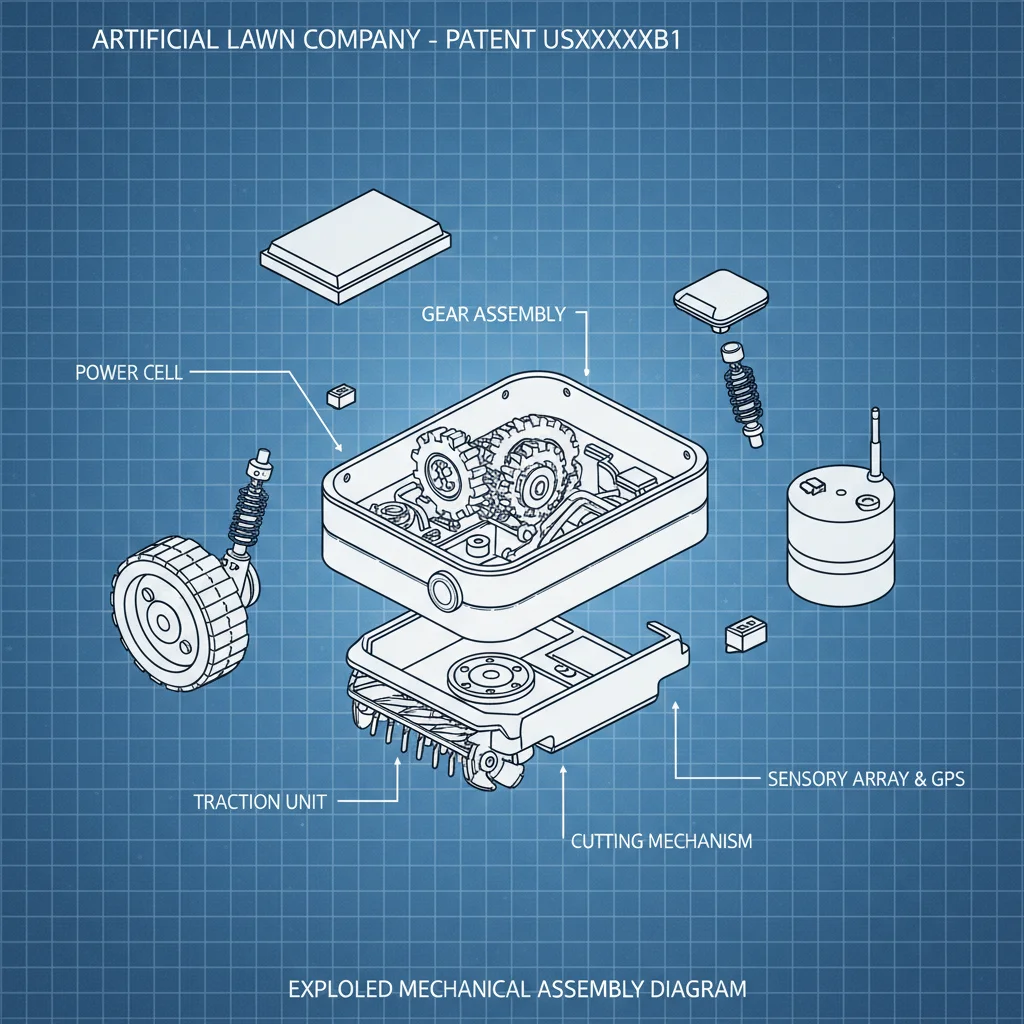
In parallel, growing emphasis on backyard landscaping with artificial grass often aligns with solar-powered irrigation for those hybrid green spaces, blending real and synthetic elements efficiently. Automation for routine cleaning and debris removal is on the horizon, meaning less human effort and longer-lasting fields.
No solution is perfect. Artificial grass can get hot under direct sun, which is uncomfortable for bare feet or pets. Some folks worry about microplastics or chemical runoff, and initial costs can be a hurdle.
Experts recommend heat-reducing infills (like cork or coated sand) and proper drainage systems to mitigate temperature. As for environmental concerns, increasing use of recycled yarns and eco-certifications help reduce the carbon footprint. A good installer and planner can make all the difference in managing these issues.
Backyard landscaping with artificial grass offers a compelling blend of beauty, reliability, and sustainability. It not only conserves precious water and reduces maintenance but also creates a vibrant, inviting space for relaxation and socializing. Whether you’re in an urban apartment or a sprawling suburb, this synthetic solution makes sense today and for decades to come. To begin your transformation, visit our website: https://www.xiongyigrass.com.
References:
1. United Nations Water Report, 2023 — unwater.org
2. ISO 14001 Environmental Management Standards, ISO.org
3. EPA WaterSense Program, epa.gov/watersense



Hit enter to search or ESC to close