3 December 2025
Having worked in the industrial equipment sector for many years, I have come to appreciate not just the machinery but also the importance of landscaping in industrial settings. You know, it’s not just about looking good; quality landscaping — especially grass and landscaping surfaces — can affect everything from site safety to durability under heavy foot or vehicle traffic. Oddly enough, many still underestimate how crucial the right grass system is for industrial zones.
When it comes to industrial-grade grass, synthetic turf has become a mainstay. I first noticed this shift about a decade ago when traditional grass maintenance got too costly and inefficient around heavy equipment areas. Synthetic grass like the products offered by Xiongyi Grass started to dominate because it’s low maintenance, durable, and surprisingly realistic. But honestly, not all synthetic grass is created equal; design and material quality vary widely, and that’s where a lot of the industry’s headaches come from.
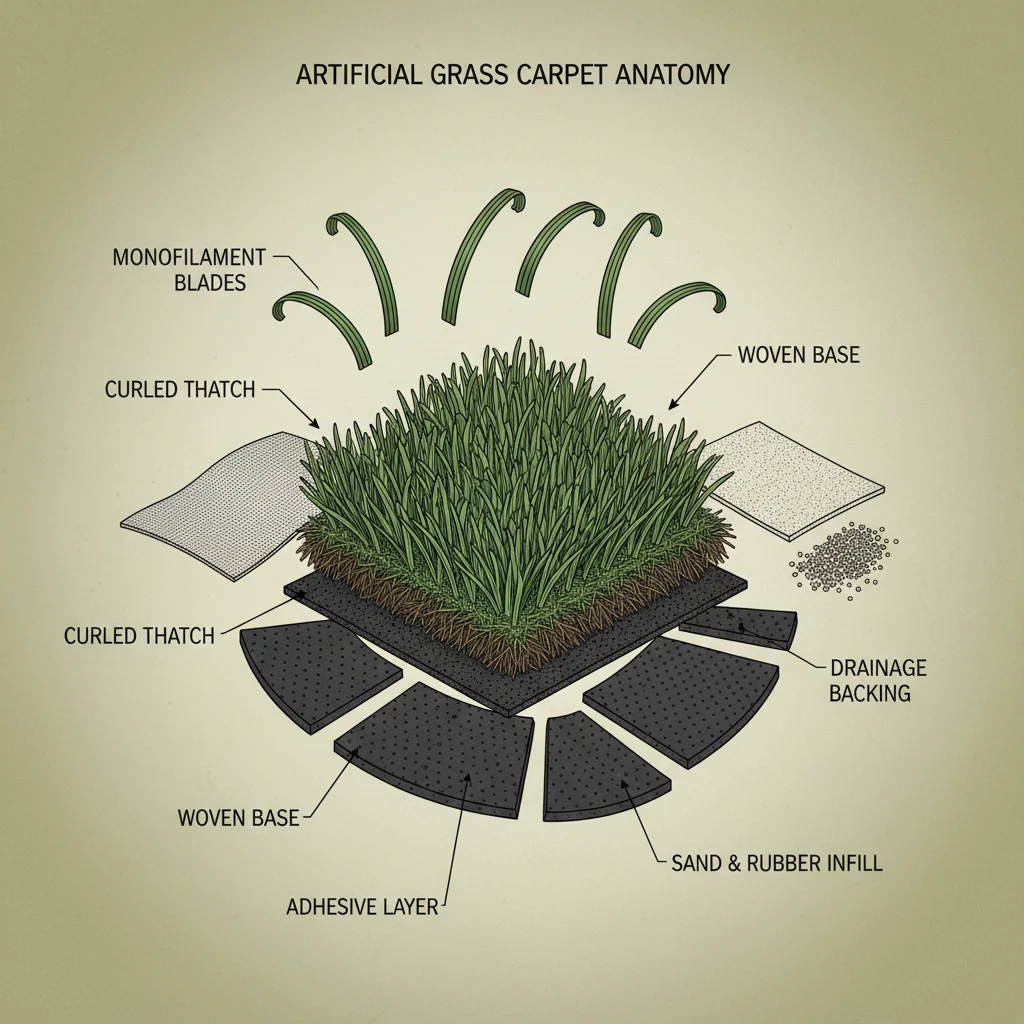
Design wise, high-quality systems typically use polyethylene fibers for a softer feel and UV stabilizers to combat fading. From my experience, the turf’s fiber height and density significantly influence both comfort and longevity — too sparse and it looks thin and wears out fast; too dense and it traps dirt and moisture, which can lead to quicker degradation.
One interesting tidbit: many engineers and landscapers in the industrial sector agree that backing materials — the foundation on which the grass fibers are fixed — deserve at least as much attention as the blades themselves. A strong, permeable backing ensures proper drainage, which is crucial. Without this, water pools and the surface becomes slippery, unsafe even. So testing these attributes isn't just a marketing checklist; it’s a safety mandate.
| Feature | Specification | Benefit |
|---|---|---|
| Fiber Material | Polyethylene (PE) | Soft, realistic texture |
| Fiber Height | 30 mm | Comfortable and durable surface |
| Backing Material | Permeable polypropylene + latex | Excellent drainage and stability |
| UV Resistance | 8,000 hrs+ | Maintains color and integrity outdoors |
| Pile Density | 15,000 stitches/m² | Durable and lush appearance |
| Warranty | 8 years | Long-term reliability |
Now, beyond raw specs, let me share a quick story. A client once installed a synthetic grass system from a lesser-known vendor to save budget. Within two years, they had to replace parts due to fiber breakage and UV fading. In contrast, a similar facility using Xiongyi Grass has seen consistent performance for over five years — no surprise to me given their reputed quality control and ASTM-compliant testing procedures.
| Vendor | UV Resistance | Backing Quality | Warranty | Price Range |
|---|---|---|---|---|
| Xiongyi Grass | 8,000+ hours | Permeable PP + Latex, Superior | 8 years | Mid - Premium |
| GreenTech Turf | 5,000 hours | Polyester backing, Moderate | 5 years | Budget |
| EcoLawn | 7,000 hours | Latex-infused backing, Good | 6 years | Budget - Mid |
In real terms, picking the right grass and landscaping system is about balancing cost, durability, and maintenance needs. Frankly, I've seen too many landscapers opt for cheap turf only to regret the additional replacement costs and downtime later.
Customization is another thing that’s becoming increasingly important. Some industrial sites require anti-static or flame-retardant turf for added safety — and some vendors, like Xiongyi, have developed tailored products to meet these nuanced needs. It's a good reminder that not all grass solutions are one-size-fits-all.
To wrap up, whether you’re considering synthetic turf for industrial landscaping, sports fields, or decorative usage around heavy equipment, keep these points front and center: quality fibers, reliable backing, UV resistance, and warranty coverage. That’s what will save you headaches in the long run, I promise.
Sources & further reading:



Hit enter to search or ESC to close