3 December 2025
Landscape is more than curb appeal—it speaks volumes about sustainability, maintenance, and community aesthetics. Front yard landscaping with artificial turf has become a buzzword globally, not just for its sleek look but because it addresses pressing environmental and economic issues. In a world increasingly grappling with water shortages and urbanization, the way we treat our front yards matters.
According to the United Nations, roughly 2 billion people live in water-scarce areas, a number that continues to grow due to climate change and urban sprawl.1 Traditional lawns consume an enormous amount of fresh water—sometimes over 30,000 gallons per year per household in dry regions. Besides water conservation, there’s the cost and labor intensity of maintaining natural grass. So, front yard landscaping with artificial turf offers an alternative that’s not only visually appealing but globally relevant in conserving resources and reducing carbon footprints.
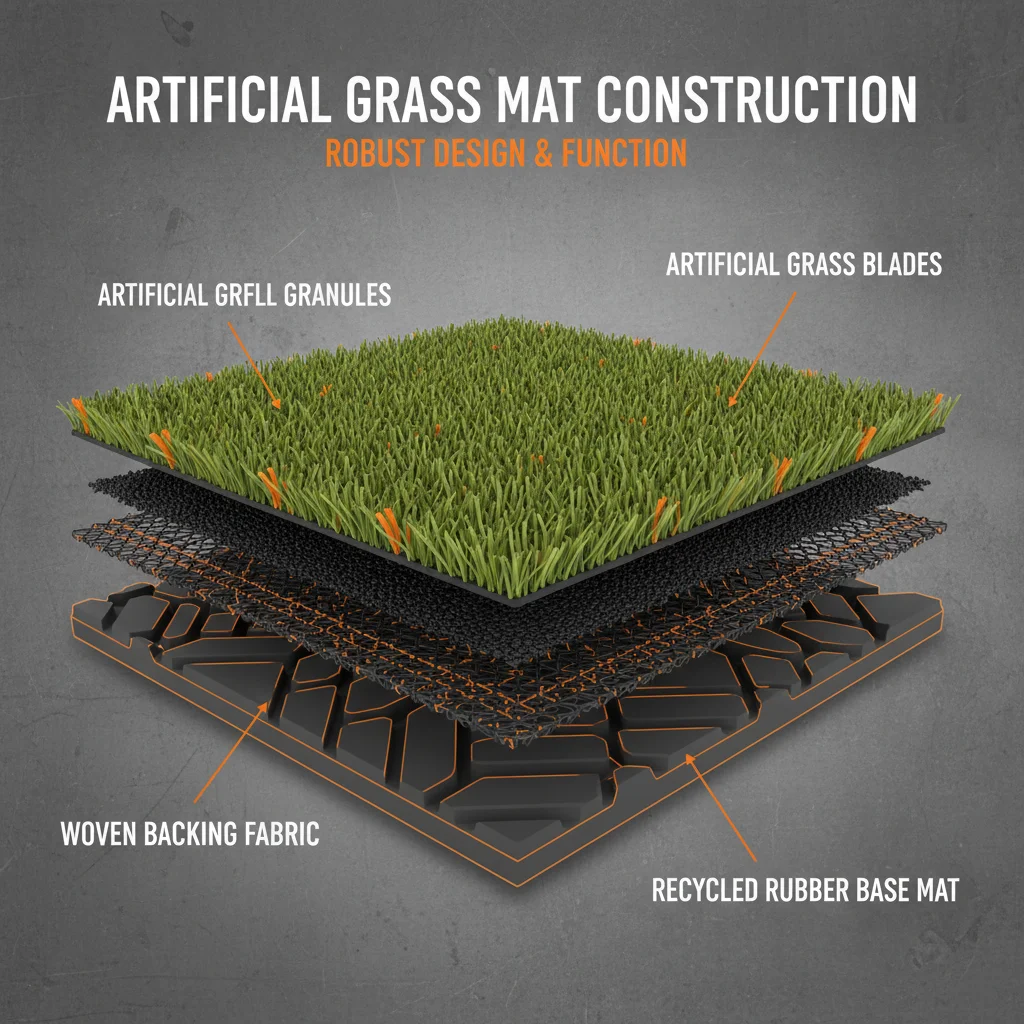
At its core, front yard landscaping with artificial turf involves replacing natural grass with synthetic grass-like surfaces for residential properties. Made typically from polyethylene or nylon fibers, this turf mimics lush greenery without the watering, mowing, or fertilizing. Originally popularized in sports fields, it has since evolved in texture and safety features to fit front yard environments perfectly.
This trend connects closely with modern urban development challenges and humanitarian needs. For instance, in drought-prone cities or areas with poor soil quality, artificial turf offers consistent greenery without environmental strain.
Artificial turf is engineered to withstand foot traffic, weather extremes, and UV exposure without fading or matting. It typically lasts 10–15 years, which is impressive compared to natural lawns that require yearly replanting or repair.
Since it requires no irrigation, artificial turf substantially reduces water use. Additionally, no gas-powered lawn equipment is needed, cutting both energy consumption and noise pollution.
Initial installation costs are higher than seeding a natural lawn, but lower long-term maintenance expenses—no fertilizers, pesticides, or mowing—make artificial turf surprisingly cost-effective.
Today’s turf options come in various shades of green, pile lengths, and blade shapes, allowing homeowners to customize looks from tightly manicured lawns to more natural, wild appearances.
While it reduces water use and chemical runoff, artificial turf’s production involves plastics, raising concerns about microplastics and recyclability, topics currently researched intensely.
| Feature | Specification |
|---|---|
| Material | Polyethylene fibers with latex backing |
| Pile Height | 20–30 mm |
| UV Resistance | High, with 8+ years guarantee |
| Drainage | Perforated backing for fast water runoff |
| Weight | 1.5–2.5 lbs/sq. ft. |
Artificial turf’s versatility stretches across regions and industries. In drought-hit parts of California and Australia, it’s promoted as a water-wise landscaping choice. Urban planners use it in areas where soil contamination or poor grass growth hampers greenery. Oddly enough, even humanitarian aid agencies have started experiments with artificial turf for temporary community spaces in refugee camps where maintenance is impossible.2
In industrial zones or commercial developments where aesthetics matter but maintenance budgets don’t, artificial turf provides instant curb appeal with minimal upkeep. And residential users, seeking both low maintenance and year-round “green,” are finding renewed interest post-pandemic, when spending more time at home boosted front yard pride.
| Vendor | Price Range | Warranty | Green Certifications |
|---|---|---|---|
| Xiongyi Turf | $5–$9 / sq.ft. | 10 years UV & wear | ISO 14001, LEED |
| GreenScape | $4.5–$8 / sq.ft. | 8 years | None |
| EcoLawn Pro | $6–$10 / sq.ft. | 12 years | ISO 9001, ENERGY STAR |
Looking beyond the obvious aesthetic, artificial turf offers numerous benefits:
Honestly, it feels like a simple choice that carries surprisingly deep positive ripples, from your monthly expenses to the earth’s health.
Technology is pushing front yard landscaping with artificial turf into exciting territory:
These innovations are responding directly to sustainability frameworks like the ISO 14001 and urban greening mandates worldwide.3
Still, artificial turf is no silver bullet. It can get hot in full sun, possibly limiting comfort. Its plastic base presents end-of-life recycling challenges. Also, installation requires proper ground preparation to ensure drainage and leveling — sloppy installs result in pooling or turf curl-up.
Experts recommend:
To sum up, front yard landscaping with artificial turf is more than a design trend—it's a practical, sustainable choice that addresses water conservation, cost reduction, and urban beautification simultaneously. As more homeowners and communities recognize this, the movement toward smart turf solutions continues to gather momentum.
If you're considering upgrading your front yard into a low-maintenance, year-round green sanctuary, visit our website: Xiongyi Grass for expert options and advice. You might just find that perfect blend of beauty and responsibility waiting.
Sometimes, the smallest patch of green can tell the biggest story about how we care for our planet and ourselves.
The shift to artificial turf for front yards isn’t just aesthetic—it’s an eco-conscious, economical step toward smarter living that fits modern realities.


Hit enter to search or ESC to close