16 October 2025
The evolution of modern football surfaces has transformed the way the game is played and maintained. With advancements in synthetic materials and field engineering, artificial football pitches have become the preferred choice for both professional and amateur teams around the world. Designed to replicate the look and feel of natural grass while offering superior resilience, these pitches deliver consistent performance in any climate. From local community fields to large-scale stadiums, artificial football surfaces provide a sustainable, cost-effective, and performance-driven solution that enhances player experience and field longevity.
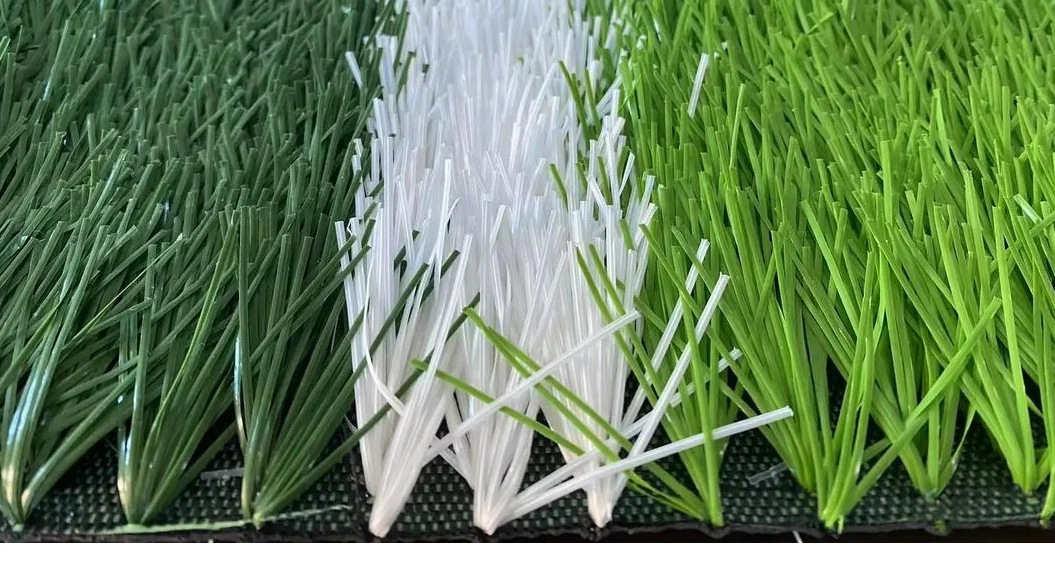
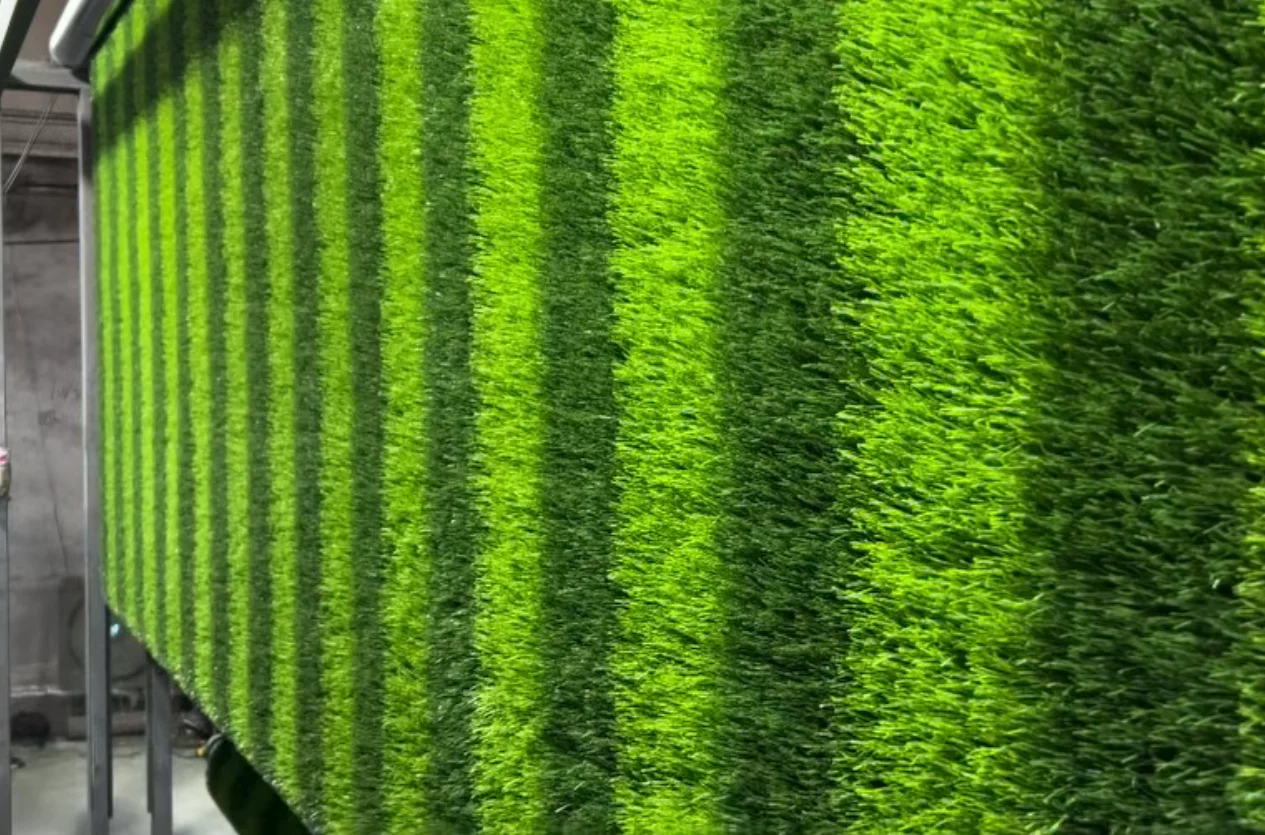
The design of an artificial grass football pitch combines precision engineering with cutting-edge materials to ensure optimal performance and safety. Unlike traditional grass, which demands constant watering, mowing, and replanting, synthetic turf retains its texture and color throughout the year. The grass fibers are made from polyethylene (PE) or polypropylene (PP), both known for their durability and softness, ensuring that players experience natural traction and ball control. The infill system—composed of sand and rubber granules—provides shock absorption and energy return, reducing the risk of injuries. These features make artificial football pitches ideal for high-intensity matches, training sessions, and multi-purpose sports grounds.
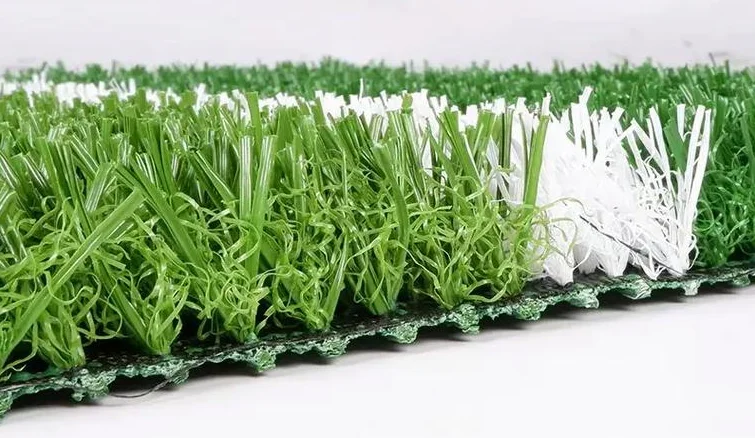
Modern football facilities prioritize consistent performance and player protection, and artificial grass football ground solutions meet both needs with precision. Unlike natural grass, which deteriorates after heavy rainfall or continuous play, synthetic turf maintains uniformity under all conditions. The even surface ensures predictable ball bounce and roll, enhancing gameplay accuracy. The durability of these systems allows them to withstand thousands of playing hours without requiring costly maintenance or re-sodding. Additionally, advanced drainage systems prevent water accumulation, allowing games to continue even after heavy rain. The cushioning layer beneath the surface minimizes impact on joints and muscles, ensuring player safety and comfort throughout extended use.
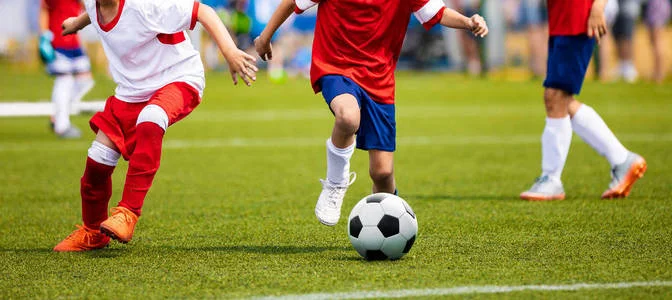
One of the primary advantages of artificial football pitches lies in their long-term economic and environmental benefits. Maintaining natural grass involves constant watering, fertilization, and pest control—all of which consume significant resources and operational budgets. Artificial turf eliminates these expenses while conserving water and reducing chemical use. The longevity of the synthetic surface—often exceeding ten years with proper care—translates to a lower total cost of ownership. Moreover, many turf systems are now manufactured using recyclable materials, aligning with sustainable development goals. For football clubs, schools, and municipalities, switching to synthetic turf not only reduces costs but also supports eco-friendly sports facility management.
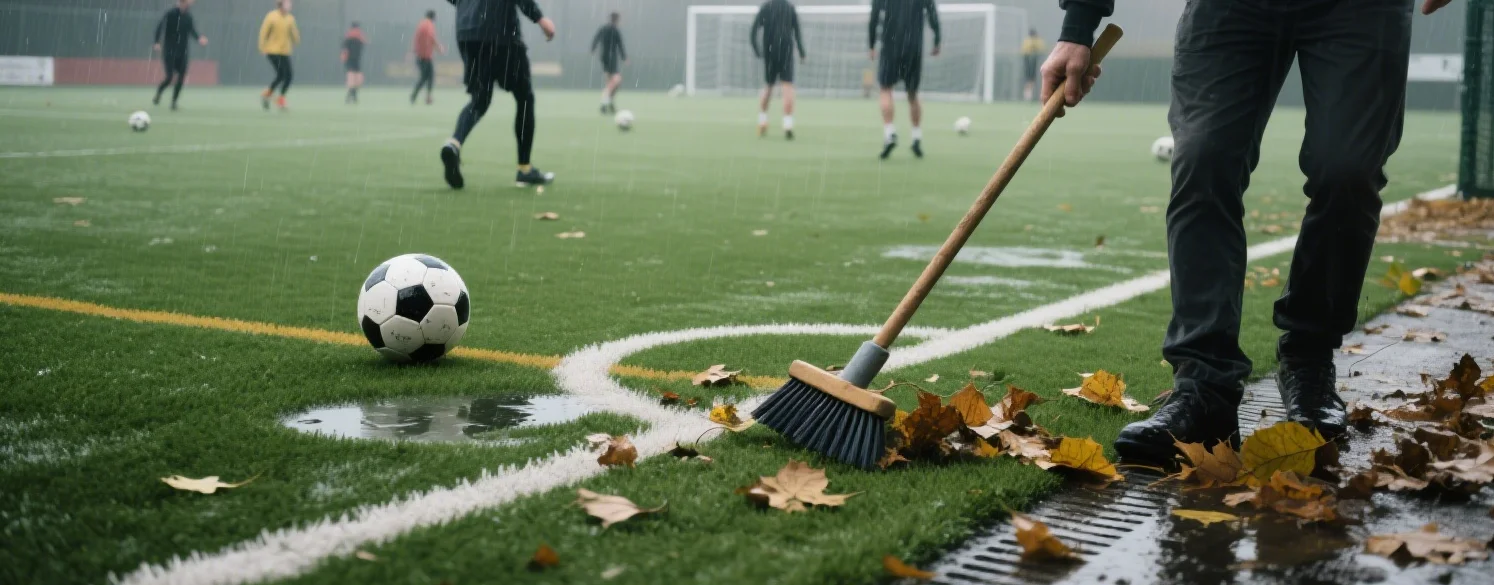
From community training fields to international stadiums, artificial grass football pitch solutions have proven adaptable to diverse climates and sporting demands. In regions with extreme weather—either very hot, dry, or rainy—natural grass maintenance becomes impractical, making synthetic turf the ideal alternative. Indoor arenas, rooftop fields, and multipurpose sports complexes also rely on artificial surfaces due to their flexibility and ease of installation. These pitches maintain their vibrant green appearance and playability regardless of environmental factors. Furthermore, artificial grass football ball interaction has been refined to ensure optimal control and realistic bounce dynamics, closely matching the natural game experience. As a result, artificial turf is increasingly recognized by major sports associations and professional leagues as a reliable and high-performance surface for competitive play.
Artificial turf provides consistent performance, reduced maintenance, and weather resistance. While natural grass deteriorates under heavy use or rain, artificial football pitches remain playable year-round, offering reliable traction and smooth ball roll for professional and recreational play alike.
Yes. Modern artificial grass football ground designs incorporate advanced cushioning systems that minimize impact stress on players’ joints. The non-abrasive fibers and resilient infill also enhance comfort and safety, making them suitable for all age groups and competitive levels.
Typically, a high-quality artificial grass football pitch can last between 8 to 12 years, depending on usage and maintenance. Proper care, such as regular brushing and infill replenishment, helps preserve the surface’s integrity and performance.
Not significantly. The latest artificial grass football ball compatibility designs ensure realistic ball movement, bounce, and roll similar to that of natural grass. This consistency enhances training quality and gameplay precision under various conditions.
Maintenance is minimal compared to natural grass. Routine cleaning, infill leveling, and periodic inspection ensure the turf remains in top condition. Unlike natural fields, artificial football pitches do not require watering, mowing, or replanting, greatly reducing long-term operational costs.




Hit enter to search or ESC to close