24 December 2025
An artificial football ground is a sports field that uses a surface completely made of synthetic materials, primarily plastic grass fibers, to replicate natural turf. The main advantage of an artificial football ground is its durability and all-weather playability. Unlike natural grass, an artificial football ground doesn’t get muddy, patchy, or waterlogged. It provides a consistent, level playing surface 365 days a year, regardless of rain, snow, or intense use. This makes an artificial football ground ideal for community parks, schools, and clubs that need to maximize field usage for training, matches, and events. It requires significantly less maintenance than natural grass—no mowing, watering, or fertilizing—though it does need regular brushing and occasional top-up with infill material. An artificial football ground is a long-term investment that dramatically increases playing hours and provides a reliable, high-performance venue for players of all levels.
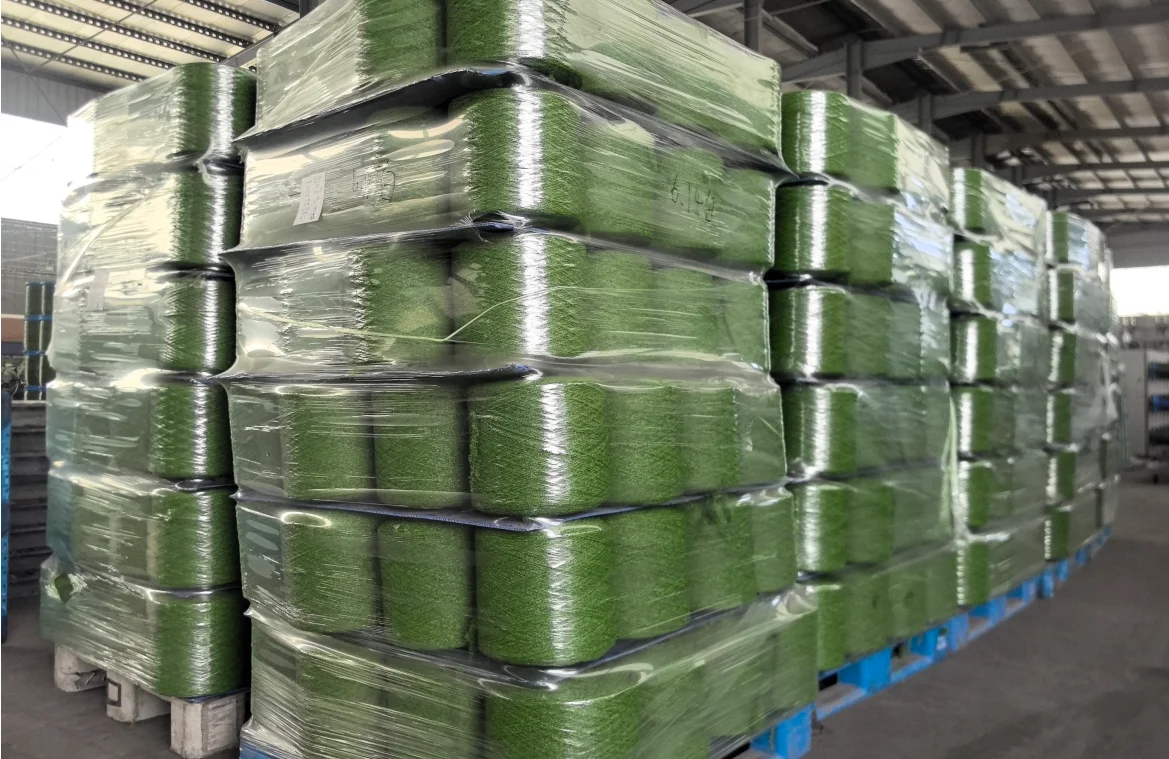
Astro turf is a famous brand name that has become a generic term for many types of synthetic grass football fields. Originally, it referred to a very short-pile, carpet-like surface, but today’s astro turf for football is highly advanced. Modern astro turf for football typically consists of longer, more resilient polyethylene or polypropylene fibers tufted into a backing, with a layer of performance infill (like silica sand and rubber crumb) spread between the blades. This infill system is what gives astro turf for football its stability, cushioning, and ball response, closely mimicking natural turf. Astro turf for football is the go-to choice for many dedicated football facilities because it offers excellent ball roll, predictable bounce, and good traction for players’ boots. It is designed specifically for the sport’s demands. When selecting a surface, specifying high-quality astro turf for football ensures you get a product engineered for soccer’s specific needs, not a generic landscape turf.
Despite the rise of synthetics, the grass football ground remains the traditional ideal for many purists and at the highest professional levels. A well-maintained natural grass football ground offers unparalleled playability, aesthetics, and a certain tradition. The feel underfoot, the way the ball interacts with the surface, and the natural cooling effect are qualities that are challenging to replicate perfectly. However, a high-performance grass football ground is incredibly resource-intensive. It requires expert groundskeeping, extensive irrigation, fertilization, pest control, and significant “rest” periods to recover from wear. It is vulnerable to weather and can quickly deteriorate under heavy use. For many facilities, the cost and labor of maintaining a pristine grass football ground are prohibitive. This challenge is precisely what has driven innovation in synthetic grass football fields and hybrid soccer field technologies, which aim to deliver the benefits of grass with the resilience of synthetics.
A hybrid soccer field represents the cutting edge of sports surface technology, designed to combine the natural benefits of grass with the strength of synthetics. It is not an artificial football ground or a pure grass football ground, but a fusion. The most common hybrid soccer field system involves stitching or weaving high-performance synthetic fibers (like polyethylene) directly into the soil and root zone of a natural grass pitch. This creates a reinforced natural turf. The synthetic fibers act as a skeleton, stabilizing the surface, preventing divots, and protecting the grass roots from wear, especially in high-traffic areas like the goalmouth and center circle. The result is a hybrid soccer field that is extremely durable, allows for much higher usage than natural grass alone, drains exceptionally well, and provides the authentic playing characteristics of grass. Many top professional stadiums now use a hybrid soccer field system to meet the demands of a packed match schedule and maintain a perfect pitch. It’s the premium solution where performance and durability are non-negotiable.
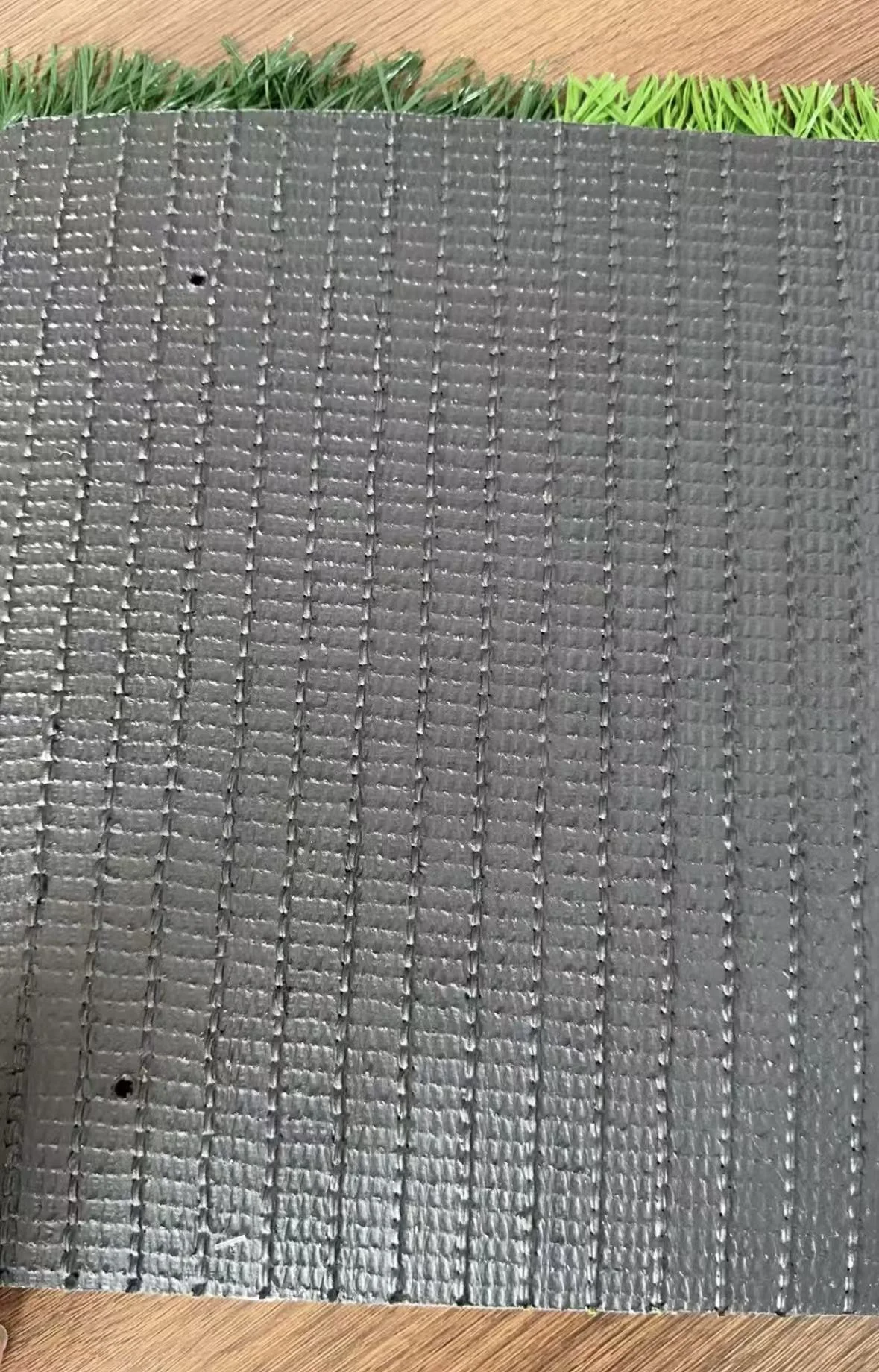
Synthetic grass football fields is the broad, inclusive term for all artificial playing surfaces designed for the sport. This category encompasses everything from basic recreational pitches to FIFA Quality Pro certified stadium installations. Modern synthetic grass football fields are sophisticated systems comprising multiple layers: a stable stone sub-base, a shock pad for player safety, the synthetic turf carpet, and the performance infill. The quality of a synthetic grass football field is determined by factors like fiber type (PE, PP, or a blend), pile height, stitch rate, and the composition of the infill. High-quality synthetic grass football fields are designed to meet strict standards for player-surface interaction, including ball roll, bounce, rotational resistance (for turning), and shock absorption (to reduce injury risk). They offer a permanent, consistent playing solution for communities, schools, and clubs, ensuring that the beautiful game can be played anytime, anywhere, without being at the mercy of the weather or limited by maintenance schedules.
Choosing and installing the right football surface is a major decision. We are specialists in designing and supplying complete solutions for modern football facilities. Whether your project requires a cost-effective and durable artificial football ground for a local club, a premium astro turf for football installation, a state-of-the-art hybrid soccer field for a professional venue, or a high-specification synthetic grass football field for a school or community, we have the expertise and products. We work with the highest quality turf systems, infill materials, and installation methodologies. We understand the technical specifications required for different levels of play, from amateur recreation to FIFA tournament standards. Our goal is to provide you with a surface that maximizes playability, safety, and longevity, transforming any space into a high-performance grass football ground alternative that meets the demands of today’s game.
Ready to build a pitch that players will love, season after season? Don’t settle for a surface that limits play or costs a fortune to maintain. Whether you envision a community artificial football ground, a training facility with top-tier astro turf for football, a professional hybrid soccer field, or a reliable synthetic grass football field, we can make it happen. Visit our website to explore our range of turf systems, view case studies of completed synthetic grass football fields, and download technical specifications. Contact our project team for a free, no-obligation consultation and site assessment. We’ll help you navigate the options—from a pure grass football ground alternative to a hybrid system—and provide a detailed proposal tailored to your budget, usage, and performance goals. Stop dreaming about the perfect pitch. Start building it. Click to connect with us and take the first step towards creating a premier football facility that will serve your community for years to come.
Astro turf for football typically refers to a specific type of synthetic grass football field designed explicitly for sports, with a performance infill system (sand/rubber). A general synthetic grass field could be a non-infill landscape turf or a lower-spec sports turf. For football, it’s crucial to choose a product specifically engineered as astro turf for football or a FIFA-certified synthetic grass football field to ensure proper playability and safety.
“Better” depends on the use case and budget. A hybrid soccer field offers the most natural playing experience and is ideal for elite professional venues that can support the maintenance of natural grass alongside the synthetic reinforcement. A full artificial football ground offers maximum durability, all-weather play, and the lowest long-term maintenance, making it better for high-use community, school, or club facilities where maximizing playing hours is key.
The lifespan of a synthetic grass football field depends on quality, usage, and maintenance. A high-quality, professionally installed field with moderate use can last 8-12 years. Fields with very heavy use may require replacement sooner. Regular maintenance (brushing, topping up infill, cleaning) is essential to maximize the life of any artificial football ground.
Absolutely. Synthetic grass football fields are perfect for indoor soccer domes and facilities. They provide a consistent, high-traction surface that doesn’t require sunlight or water, enabling year-round play in a controlled environment. Indoor turf is often a shorter pile height but uses the same principles of synthetic grass to create an ideal playing surface.
Maintenance is very different. A grass football ground requires frequent mowing, watering, fertilizing, aeration, overseeding, and pest control. An artificial football ground requires no watering or mowing. Its maintenance involves regular brushing to keep fibers upright and infill evenly distributed, debris removal (leaves, etc.), occasional disinfection, and top-up of the infill material every few years. While both require care, the type and frequency of tasks are distinct.



Hit enter to search or ESC to close