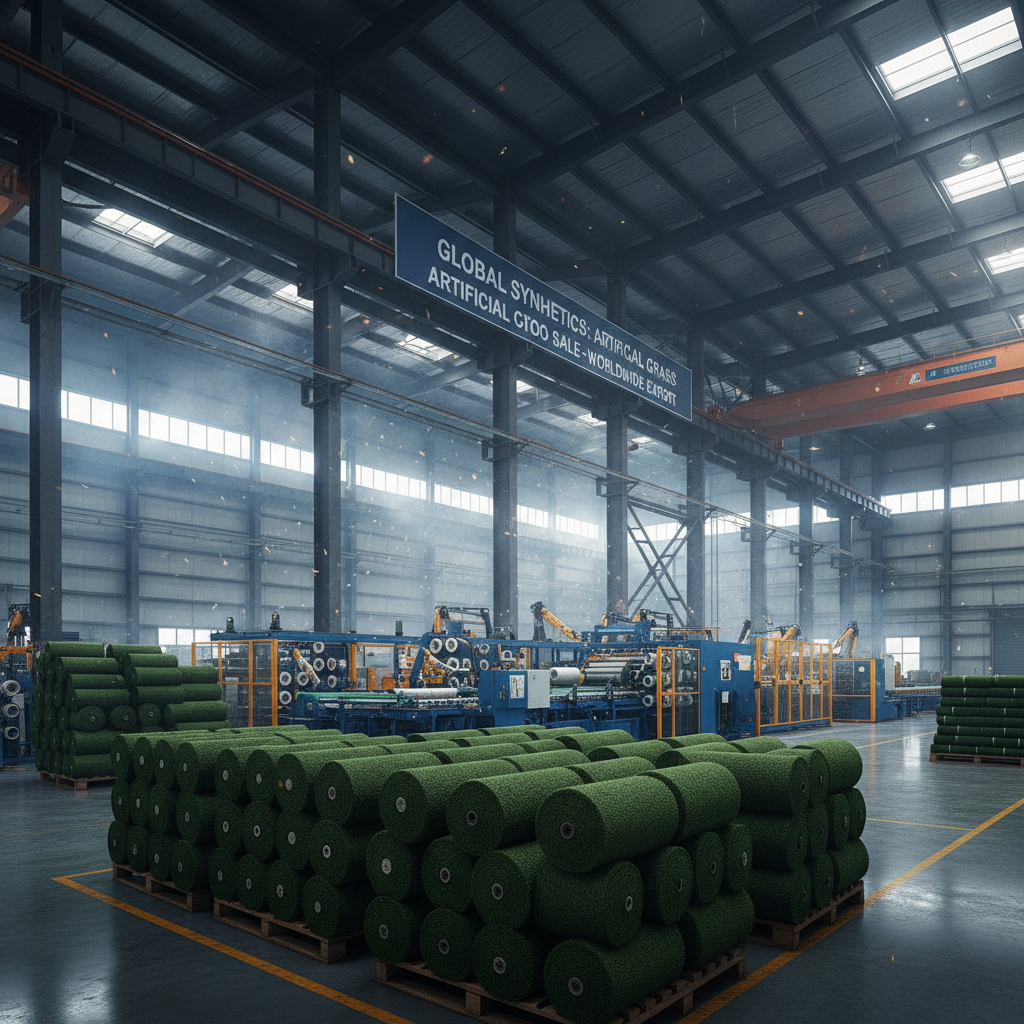
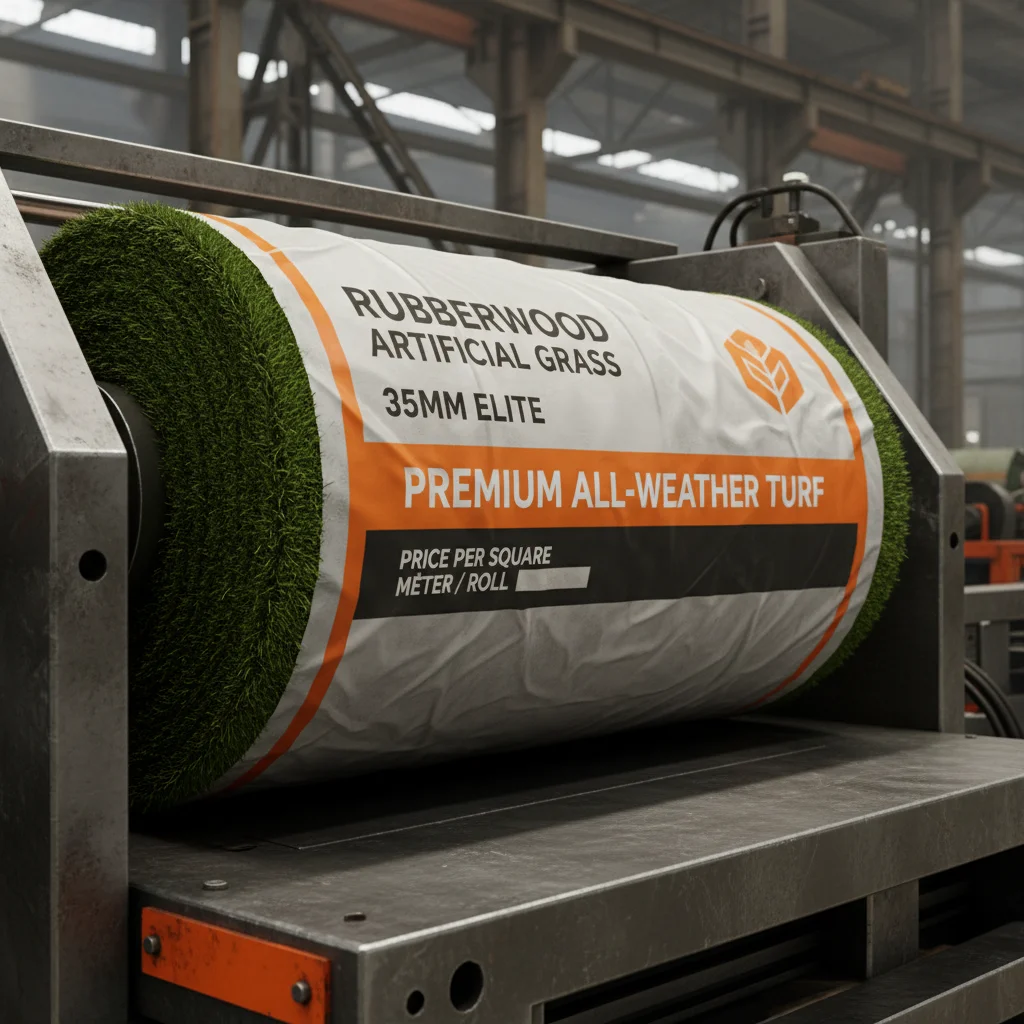
Artificial grass for sale has revolutionized landscaping and recreational spaces globally. Once considered a luxury, it's now a practical and increasingly affordable solution for both residential and commercial applications. The demand for artificial grass for sale is driven by factors like water conservation, low maintenance, and its ability to provide a consistently green and usable surface regardless of weather conditions. This growth is particularly notable in regions facing drought or where traditional grass maintenance is costly and time-consuming.
The global artificial grass market is experiencing substantial expansion, fueled by increasing environmental awareness and a desire for aesthetically pleasing, low-effort outdoor areas. According to industry reports, the market is projected to continue growing at a significant rate in the coming years. This surge is further supported by innovations in manufacturing, leading to more realistic and durable artificial grass options. The accessibility of artificial grass for sale through online retailers and specialized distributors also contributes to its wider adoption.
Understanding the nuances of artificial grass for sale—from material composition to installation techniques—is vital for consumers and professionals alike. Choosing the right type of artificial grass for sale for a specific application ensures long-term satisfaction and cost-effectiveness. This article provides a comprehensive overview of artificial grass, covering its definition, key factors, applications, advantages, future trends, and potential challenges.
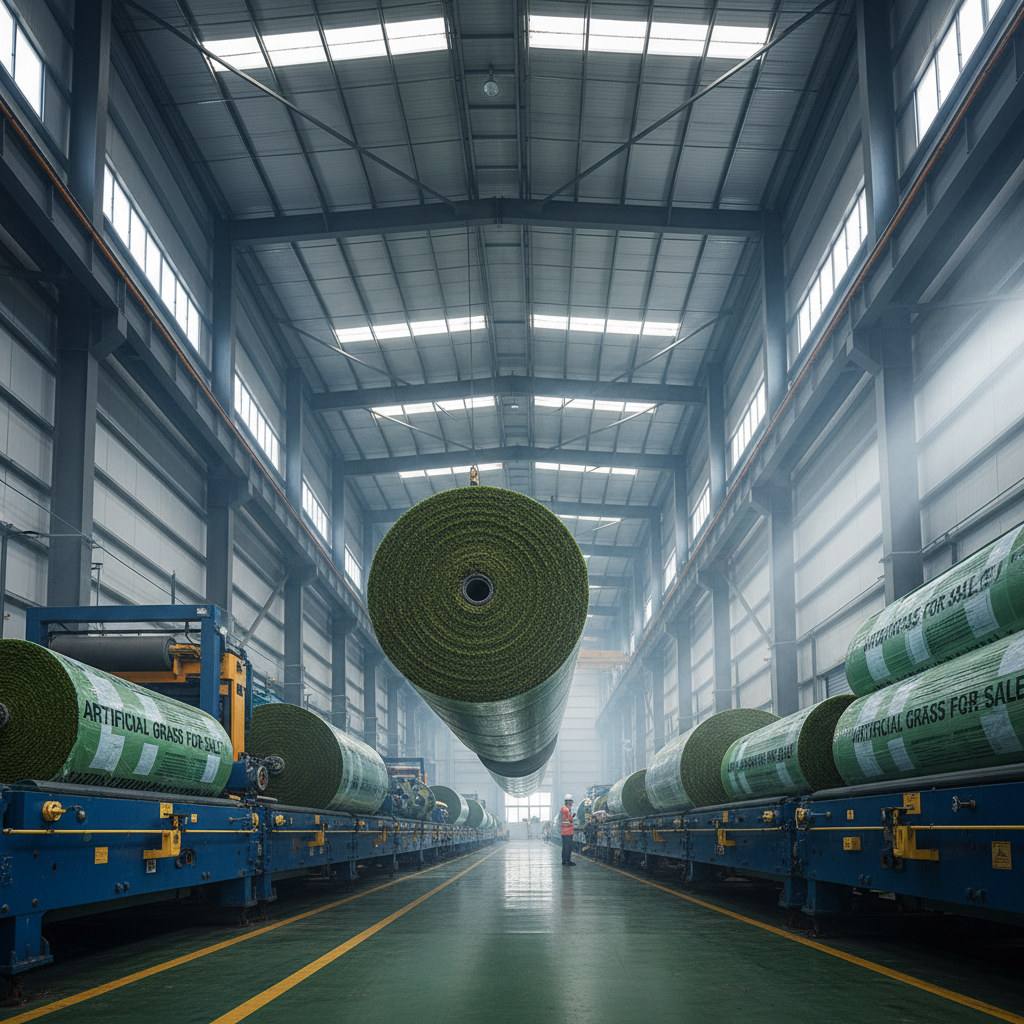
Introduction to Artificial Grass for Sale
Artificial grass for sale presents a compelling alternative to natural turf, offering a low-maintenance, aesthetically pleasing surface for a wide range of applications. The industry has seen dramatic advancements in recent years, resulting in products that closely mimic the look and feel of real grass, while eliminating the need for watering, mowing, and fertilization. This makes it an attractive option for homeowners, businesses, and municipalities looking to reduce their environmental footprint and operational costs.
The availability of artificial grass for sale has expanded significantly, with numerous suppliers offering diverse product lines to meet varying budgets and requirements. From basic utility grades to premium, realistic options, the market caters to a broad spectrum of needs. Understanding the different types of artificial grass for sale, their features, and installation methods is crucial for making an informed purchase decision.
Global Relevance and Market Trends
The demand for artificial grass for sale is not limited to specific regions. It’s a global phenomenon driven by increasing urbanization, water scarcity, and a growing awareness of sustainable landscaping practices. In arid and semi-arid regions, artificial grass for sale offers a viable solution for maintaining green spaces without depleting precious water resources. Furthermore, in areas with harsh climates, artificial turf provides a durable and consistent playing surface for sports fields and recreational areas.
Market research indicates a consistent upward trend in the artificial grass industry, with North America and Europe leading in adoption rates. However, emerging markets in Asia-Pacific and Latin America are experiencing rapid growth. The ISO 9001 standard plays a crucial role in maintaining quality control within the manufacturing process, ensuring that artificial grass for sale meets international standards. Factors like increasing disposable incomes and a desire for low-maintenance lifestyles further contribute to market expansion.
The challenge of water conservation is a key driver behind the increased demand for artificial grass for sale. According to the UN, water stress affects every continent, and the situation is projected to worsen in the coming decades. Artificial grass eliminates the need for irrigation, conserving significant amounts of water and reducing strain on municipal water supplies. This makes it a particularly attractive solution for drought-prone areas and regions facing water restrictions.
Defining Artificial Grass for Sale
Artificial grass for sale, often referred to as synthetic turf, is a manufactured surface designed to resemble natural grass. It’s typically made from synthetic fibers – commonly polyethylene, polypropylene, or nylon – woven or tufted into a backing material. This backing is often coated with a layer of infill, such as crumb rubber or sand, to provide cushioning and support. The specific materials and construction techniques used significantly impact the quality, durability, and appearance of the artificial grass.
The connection to modern industry lies in the sophisticated manufacturing processes employed to create artificial grass. Advancements in polymer chemistry, textile engineering, and coating technologies have led to increasingly realistic and durable products. The production of artificial grass also supports various industries, including plastics manufacturing, logistics, and landscaping services.
In humanitarian contexts, artificial grass for sale is increasingly being used in innovative ways, such as creating safe and accessible play areas for children in refugee camps or providing low-maintenance surfaces for community gardens in urban food deserts. Its durability and ease of maintenance make it a valuable resource in challenging environments where traditional landscaping is impractical or unsustainable.
Key Factors Influencing Artificial Grass Quality
Several key factors determine the quality and performance of artificial grass for sale. Fiber Density directly impacts the turf's softness, durability, and realistic appearance. Higher density generally equates to a more luxurious feel and longer lifespan. Fiber Height influences the playability and aesthetic appeal of the turf, with longer fibers often preferred for recreational applications and shorter fibers better suited for sports.
Yarn Denier refers to the thickness of the individual fibers. Lower denier fibers are softer and more realistic, while higher denier fibers are more durable. Backing Material plays a crucial role in the turf's structural integrity and drainage capabilities. A high-quality backing will be porous, allowing water to drain quickly and preventing puddling.
Artificial Grass Quality Factors
Global Applications and Use Cases
Artificial grass for sale finds applications in a diverse range of settings. Residential lawns are a primary market, offering homeowners a low-maintenance alternative to traditional grass. Sports fields, including soccer, football, and baseball, benefit from the consistent playing surface and reduced maintenance costs provided by artificial turf. Commercial properties, such as hotels, golf courses, and shopping centers, utilize artificial grass for aesthetic appeal and ease of upkeep.
In post-disaster relief operations, artificial grass can provide a quick and durable surface for temporary shelters and recreational areas, improving the living conditions for displaced populations. In remote industrial zones, where maintaining natural grass is challenging due to harsh conditions or limited resources, artificial turf provides a sustainable and aesthetically pleasing solution. Organizations like FIFA have stringent standards for artificial turf used in professional soccer matches, ensuring player safety and performance.
Advantages and Long-Term Value
The advantages of artificial grass for sale are numerous and extend beyond aesthetics. Significant cost savings are realized through the elimination of watering, mowing, fertilizing, and other maintenance tasks. Sustainability is a key benefit, as artificial grass conserves water, reduces pesticide use, and minimizes carbon emissions associated with lawn care equipment. From a social impact perspective, artificial turf provides safe and accessible recreational spaces for communities.
The long-term value stems from the durability and longevity of the product. High-quality artificial grass for sale can last for 15-20 years with minimal maintenance, offering a substantial return on investment. The added safety and convenience, along with the consistent aesthetic appeal, contribute to increased property values and enhanced quality of life. The reliability and predictability of artificial turf make it a preferred choice for demanding applications like sports fields and high-traffic areas.
Future Trends and Innovations in Artificial Grass
The future of artificial grass for sale is focused on sustainability and enhanced performance. Developments in bio-based polymers are leading to more eco-friendly turf options, reducing reliance on petroleum-based materials. Smart turf technologies, incorporating sensors and data analytics, are emerging to monitor turf performance and optimize maintenance schedules. Innovations in infill materials are aimed at improving cushioning, drainage, and temperature regulation.
Digital transformation is playing a role in the artificial grass industry, with the use of 3D modeling and virtual reality to visualize installations and customize designs. Automation in manufacturing processes is increasing efficiency and reducing production costs. The integration of renewable energy sources, such as solar power, into artificial turf systems is also being explored to further enhance sustainability.
Summary of Factors influencing the selection of artificial grass for sale
| Application Type |
Durability Requirements |
Budget Considerations |
Maintenance Preference |
| Residential Lawn |
Medium (5-10 years) |
$5 - $10 per square foot |
Low Maintenance |
| Sports Field |
High (10-15 years) |
$8 - $15 per square foot |
Minimal Maintenance |
| Pet Area |
Medium-High (7-12 years) |
$6 - $12 per square foot |
Easy Cleaning |
| Commercial Landscape |
Medium (6-10 years) |
$7 - $14 per square foot |
Reduced Water Usage |
| Playground Surface |
High (10-15 years) |
$10 - $20 per square foot |
Safety Padding |
| Putting Green |
Medium-High (8-12 years) |
$9 - $18 per square foot |
Consistent Roll |
FAQS
The lifespan of artificial grass varies depending on the quality of the materials, the amount of foot traffic it receives, and the level of maintenance provided. Generally, high-quality artificial grass can last between 15 and 20 years with proper care. Regular brushing to keep the fibers upright and occasional cleaning to remove debris will significantly extend its lifespan. Selecting a product with a robust backing and durable fibers is also crucial for longevity.
Artificial grass offers several environmental benefits compared to natural turf. It eliminates the need for watering, saving significant amounts of water, especially in arid regions. It also reduces the use of fertilizers and pesticides, which can harm the environment. While the manufacturing process does have an environmental impact, the long-term water savings and reduced maintenance can make it a more sustainable option. Increasingly, manufacturers are using recycled materials in artificial grass production to further minimize its environmental footprint.
The choice of infill depends on the intended use of the artificial grass. Crumb rubber, made from recycled tires, is a popular and cost-effective option, offering good cushioning and support. Sand is another common choice, providing stability and drainage. However, newer infill materials, such as coconut coir, cork, or acrylic-coated sand, are gaining popularity due to their improved performance and environmental benefits. Consider factors like cooling properties, shock absorption, and drainage when selecting infill.
Professional installation costs for artificial grass vary depending on the size of the area, the complexity of the project, and the location. On average, installation can range from $5 to $12 per square foot. This typically includes site preparation, material delivery, installation of the turf, and infill application. It’s important to obtain multiple quotes from reputable installers to ensure a fair price and quality workmanship. Always inquire about warranties and guarantees.
Artificial grass can get warmer than natural grass in direct sunlight, but modern turf technologies are designed to mitigate this issue. Using lighter-colored fibers, incorporating cooling infill materials (like silica sand or cork), and installing irrigation systems to provide evaporative cooling can help reduce surface temperatures. Some artificial grasses are also treated with UV inhibitors to minimize heat absorption. The type of infill used significantly impacts the turf's temperature regulation properties.
Artificial grass requires minimal maintenance. Regular brushing with a stiff broom helps keep the fibers upright and prevents matting. Remove debris, such as leaves and twigs, with a leaf blower or rake. For stains, a mild detergent and water solution can be used. Periodic rinsing with water can help remove dust and pollutants. Avoid using harsh chemicals or abrasive cleaners, as these can damage the turf fibers.
Conclusion
Artificial grass for sale represents a significant advancement in landscaping and recreational surface technology. Its numerous benefits—including water conservation, low maintenance, durability, and aesthetic appeal—make it an increasingly attractive alternative to natural turf. The ongoing innovations in materials, manufacturing processes, and installation techniques are further enhancing the quality and sustainability of artificial grass, paving the way for wider adoption across diverse applications.
As awareness of environmental concerns and the need for sustainable solutions grows, the demand for artificial grass for sale is expected to continue its upward trajectory. Investing in high-quality artificial grass can provide long-term cost savings, enhance property values, and contribute to a more environmentally responsible lifestyle. To explore a wide range of options and find the perfect artificial grass for your needs, visit our website: artificial grass for sale.