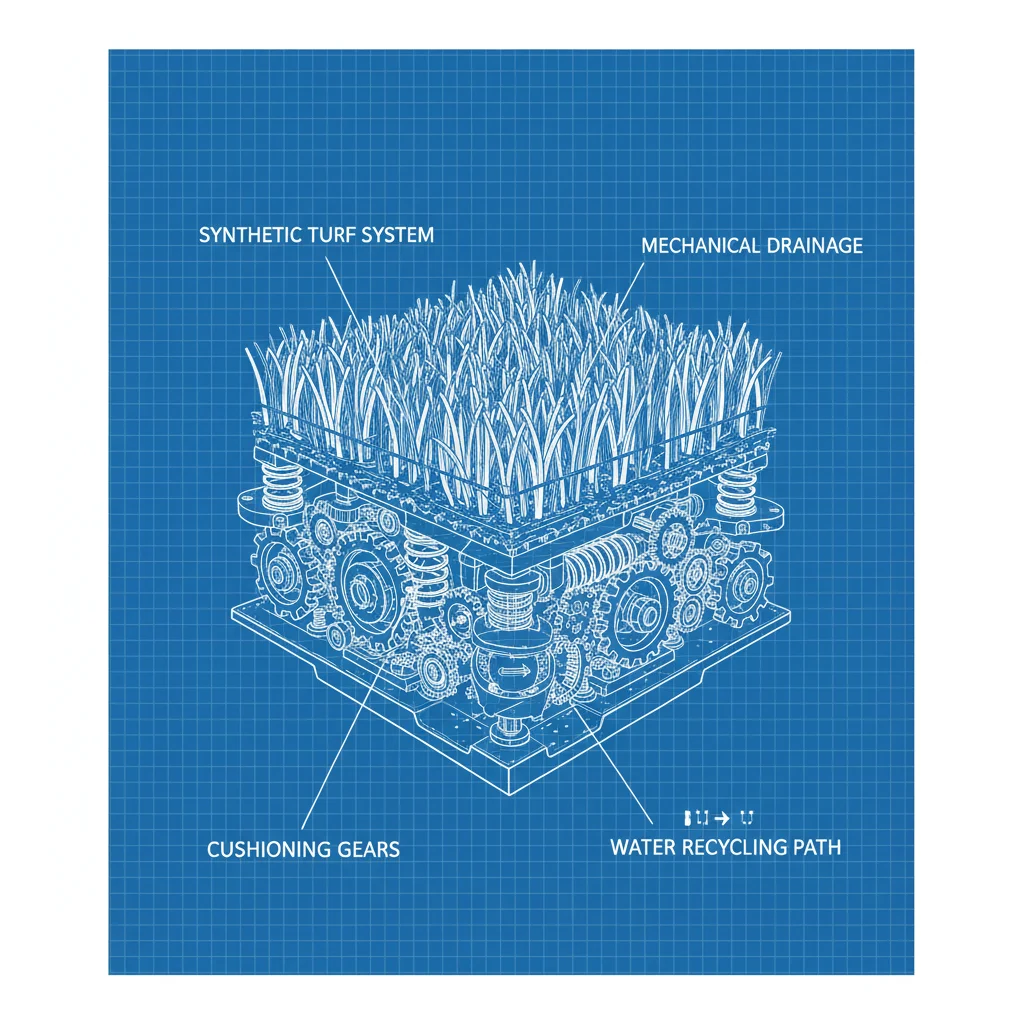
The global demand for aesthetically pleasing and durable outdoor surfaces has fueled a consistent interest in artificial grass, making understanding the plastic grass price a crucial consideration for a wide range of applications. From residential lawns to professional sports fields, the cost-effectiveness and low maintenance of plastic grass are driving its adoption worldwide. Accurate pricing information is essential for budgeting and decision-making across diverse sectors, influencing landscaping projects and athletic facility investments.
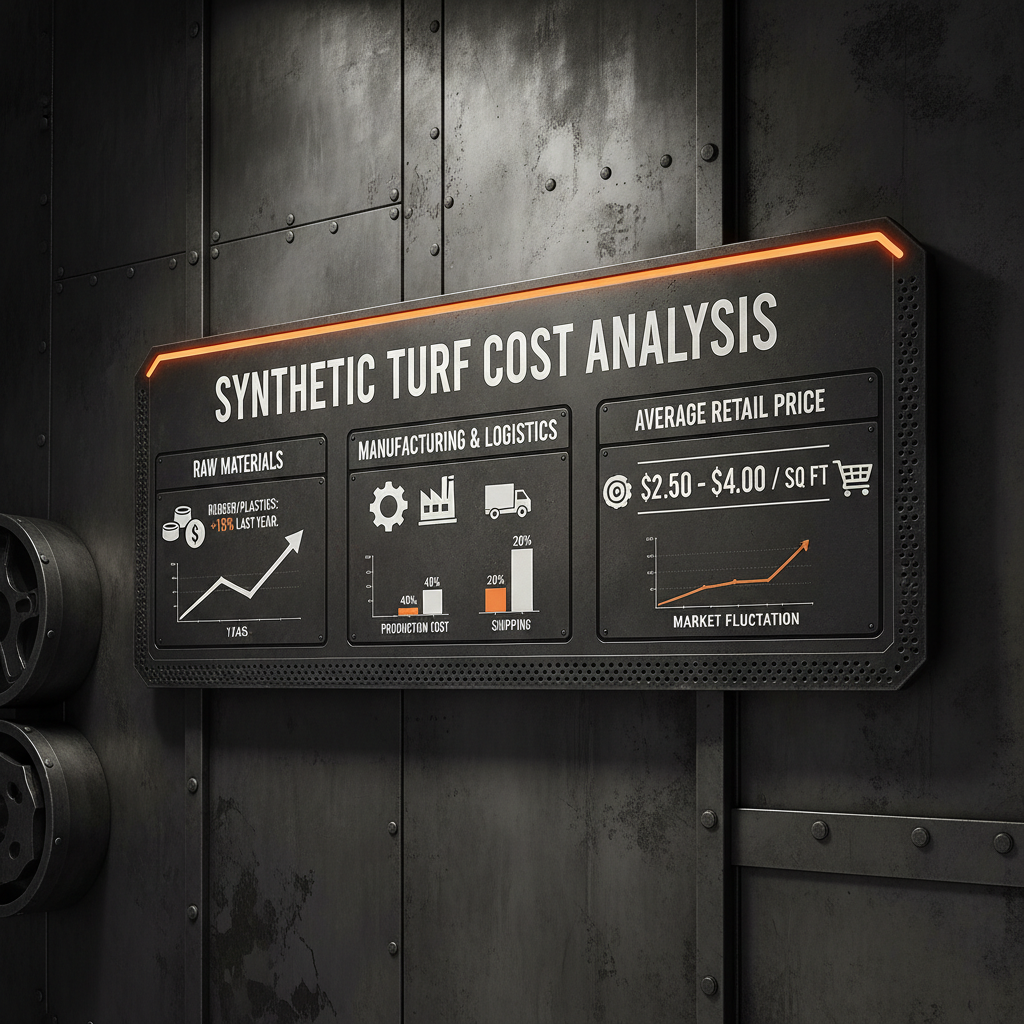
The plastic grass price isn't simply a matter of per-square-foot cost; it's a complex equation involving material quality, pile height, density, manufacturing processes, and installation expenses. Fluctuations in raw material costs, particularly polyethylene and polypropylene, directly impact the overall price. Furthermore, regional differences in labor costs and shipping expenses contribute to price variations. A thorough understanding of these factors is paramount for securing the best value.
Understanding the nuances of plastic grass price is vital for both consumers and businesses. It empowers informed purchasing decisions, facilitates accurate project planning, and ultimately contributes to the sustainable growth of the artificial turf industry. This knowledge is particularly crucial in emerging markets where the demand for affordable and resilient landscaping solutions is rapidly increasing.
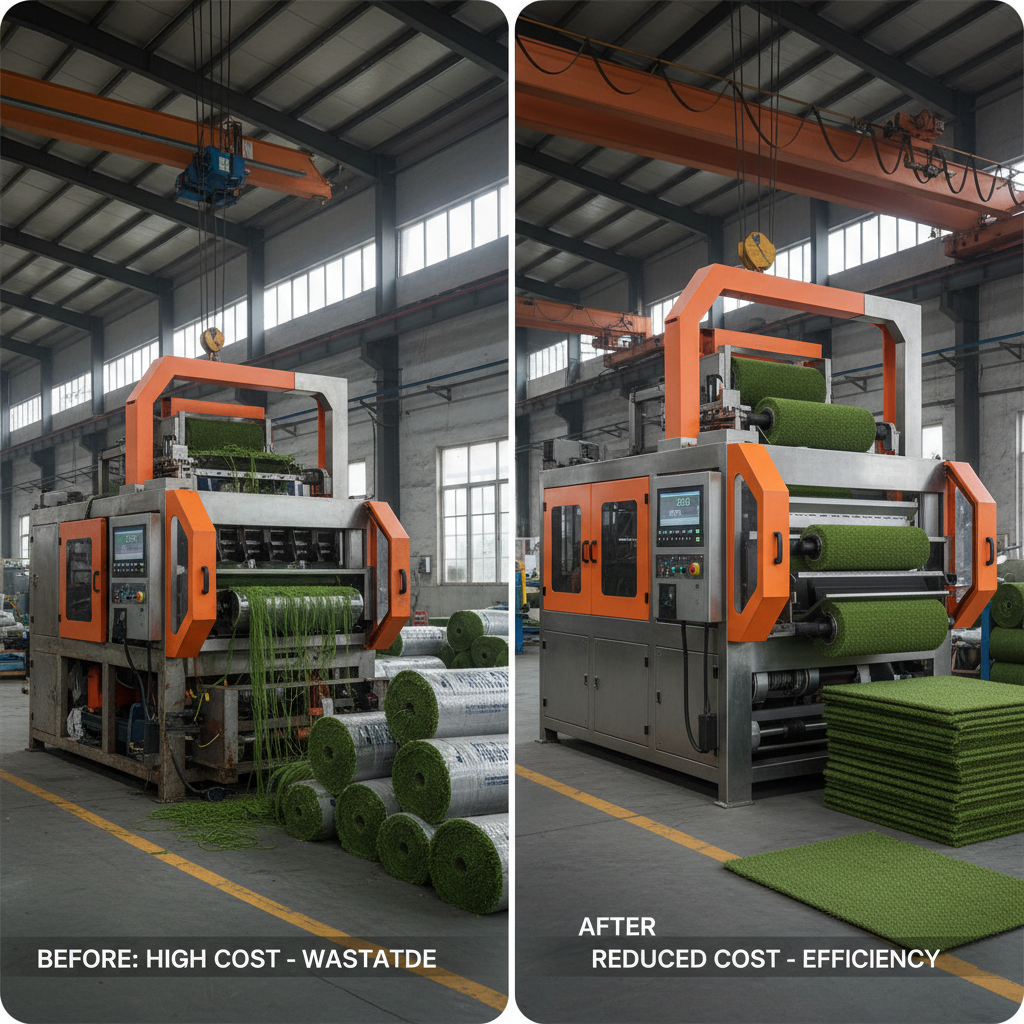
Understanding the Factors Influencing Plastic Grass Price
Several key elements contribute to the overall plastic grass price. The type of fiber used – polyethylene, polypropylene, or a combination – significantly impacts the cost, with polyethylene generally being more expensive due to its superior durability and realistic appearance. Pile height, referring to the length of the grass fibers, also plays a role; longer piles often command higher prices.
Furthermore, the density of the turf, measured in terms of stitches per square inch, affects both the price and the performance. Higher density equates to greater durability and a more natural look, but also increases the material cost. Manufacturing techniques, yarn denier, and backing materials are additional considerations that affect the final plastic grass price.
The Correlation Between Material Quality and Plastic Grass Price
The quality of materials directly influences the plastic grass price. High-quality polyethylene (PE) and polypropylene (PP) fibers offer superior UV resistance, preventing fading and degradation over time. These materials also provide a more natural feel and appearance, justifying a higher price point. Cheaper alternatives may appear cost-effective initially, but often lack the longevity and aesthetic appeal of premium options.
The backing material is another critical component. A robust, multi-layered backing with excellent drainage capabilities adds to the overall cost but significantly extends the lifespan of the turf. Inferior backing can lead to premature wear and tear, requiring more frequent replacements. Investing in higher-quality materials ensures a longer-lasting and more visually appealing surface, ultimately offering a better return on investment.
Understanding the differences in material composition allows consumers and businesses to make informed choices based on their specific needs and budget constraints. While lower-priced options may be suitable for temporary or low-traffic areas, high-quality materials are essential for applications demanding durability and long-term performance, influencing the overall plastic grass price.
Installation Costs: A Significant Component of Plastic Grass Price
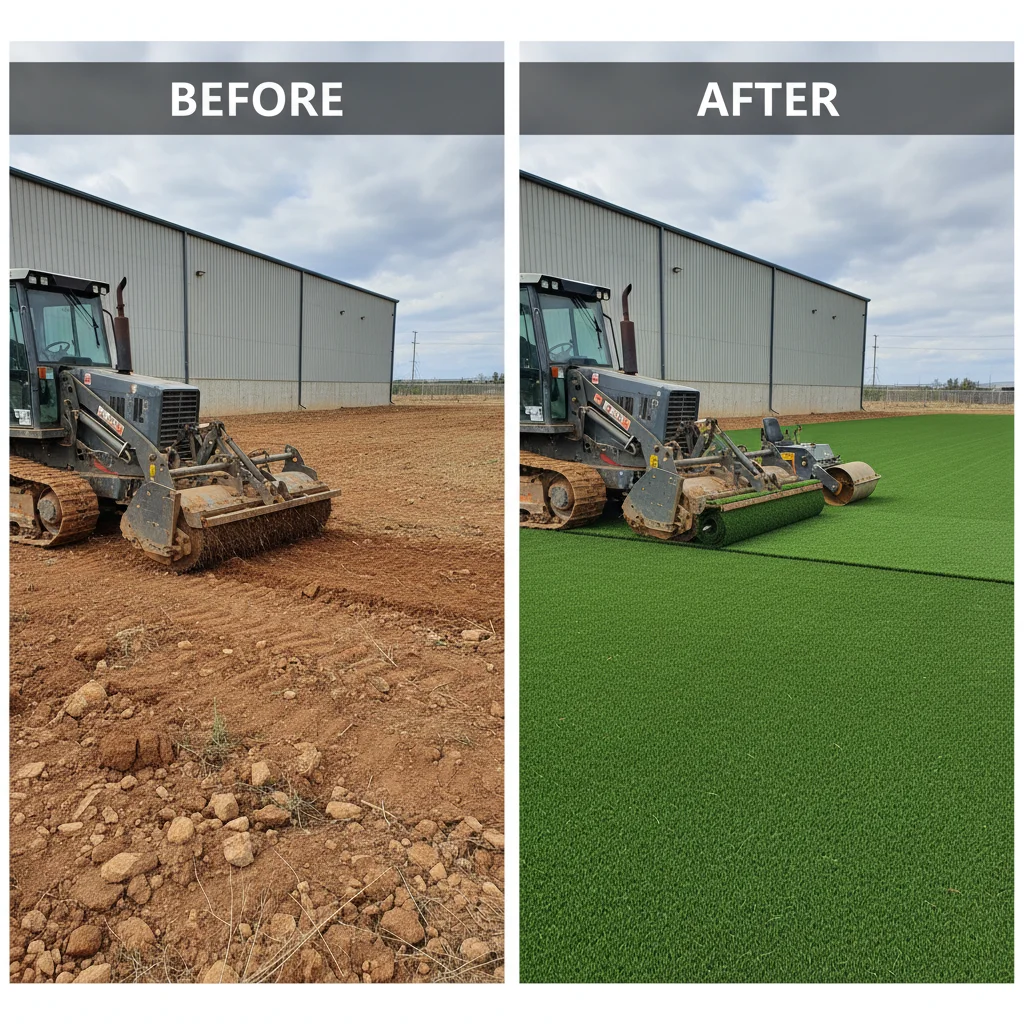
Installation isn't a negligible factor when calculating the plastic grass price. Proper installation requires careful site preparation, including clearing and leveling the ground, installing a weed barrier, and laying a base layer of compacted aggregate. The complexity of the site and the amount of preparation required will directly impact labor costs.
Professional installation is highly recommended, as it ensures proper drainage, prevents uneven surfaces, and maximizes the lifespan of the turf. DIY installations may seem appealing to save money, but often result in subpar results and potential long-term issues. Factors such as seaming, infill distribution, and edge restraint installation require expertise to guarantee a professional finish and structural integrity.
The cost of installation typically ranges from $5 to $10 per square foot, depending on the complexity of the project and the location. This expense should be factored into the total plastic grass price to obtain an accurate budget estimate. Don’t forget to factor in the cost of infill materials, which are crucial for providing cushioning, support, and a natural look.
Regional Variations in Plastic Grass Price
The plastic grass price can vary significantly depending on geographic location. Labor costs are a major driver of these differences, with regions having higher labor rates generally experiencing higher installation prices. Shipping costs also play a role, particularly for remote areas or regions with limited access to suppliers.
Plastic Grass Price Comparison by Region
Applications and the Associated Plastic Grass Price
The intended application of the plastic grass also influences the plastic grass price. Sports fields, particularly those used for football or soccer, require high-performance turf with exceptional durability and shock absorption, commanding a premium price. Residential lawns, on the other hand, may prioritize aesthetics and affordability, allowing for more budget-friendly options.
Specialty applications, such as putting greens or pet-friendly turf, also carry unique price points. Putting greens require a very low pile height and a smooth, consistent surface, resulting in a higher cost. Pet-friendly turf needs to be highly durable and easy to clean, necessitating materials and construction techniques that contribute to a slightly higher plastic grass price.
The Long-Term Value and Return on Investment of Plastic Grass
While the initial investment in plastic grass may be higher than traditional lawns, the long-term value and return on investment are often substantial. Plastic grass eliminates the need for mowing, watering, fertilizing, and other maintenance tasks, resulting in significant cost savings over time.
Furthermore, plastic grass conserves water, reduces pesticide use, and eliminates the need for gasoline-powered lawn equipment, contributing to environmental sustainability. These factors, combined with the enhanced aesthetic appeal and extended lifespan of the turf, make it a financially and environmentally sound investment.
The reduced maintenance requirements also free up valuable time and resources, allowing homeowners and businesses to focus on other priorities. Considering these long-term benefits, the plastic grass price becomes a more attractive proposition.
Future Trends and Predicting Plastic Grass Price Fluctuations
The plastic grass industry is constantly evolving, with ongoing innovations in materials, manufacturing processes, and installation techniques. The development of bio-based plastics and recycled materials is expected to influence the plastic grass price in the future, potentially lowering costs and enhancing sustainability.
Advancements in fiber technology, such as improved UV resistance and enhanced cushioning properties, are also likely to impact pricing. Increased demand for plastic grass, driven by growing awareness of its benefits and expanding applications, could potentially lead to price increases.
Key Factors Influencing Future Plastic Grass Price Trends
| Raw Material Costs |
Technological Advancements |
Market Demand |
Sustainability Initiatives |
| Fluctuations in polyethylene and polypropylene prices directly affect the base cost. |
Innovations in fiber technology can lead to both price increases and decreases. |
Increased demand from residential, commercial, and sports sectors will drive prices up. |
Adoption of recycled materials and bio-based plastics could lower the plastic grass price. |
| Geopolitical events can disrupt supply chains and impact material costs. |
Automated manufacturing processes may reduce production costs. |
Growth in emerging markets will contribute to increased global demand. |
Government incentives for sustainable landscaping could influence purchasing decisions. |
| Tariffs and trade policies can impact the cost of imported materials. |
Development of more durable fibers will extend the lifespan of the turf. |
Increased awareness of the benefits of plastic grass will drive consumer adoption. |
Focus on circular economy principles will promote the use of recycled materials. |
| Oil price volatility impacts the cost of plastic production. |
Advancements in installation techniques may reduce labor costs. |
The popularity of specific applications (e.g., pet-friendly turf) will influence demand. |
Regulations promoting water conservation may increase demand for plastic grass. |
| Supply chain disruptions due to unforeseen events (e.g., pandemics). |
Improved backing materials offering enhanced drainage and durability. |
Growing trend towards low-maintenance landscaping solutions. |
Consumer preferences for environmentally friendly products. |
| Currency exchange rates affecting import costs. |
Integration of smart technologies (e.g., moisture sensors) into plastic grass systems. |
Expansion of plastic grass applications in urban environments. |
Increased emphasis on lifecycle assessment and environmental impact. |
FAQS
The most significant factors impacting plastic grass price include the type of fiber (polyethylene, polypropylene), pile height, density, backing material quality, and installation costs. Regional labor costs and shipping expenses also play a substantial role. Choosing a higher quality material often means a greater initial investment, but can lead to cost savings in the long run due to reduced maintenance and a longer lifespan.
While the initial cost of plastic grass is higher than establishing a natural lawn, it's often more cost-effective over the long term. Natural grass requires ongoing expenses for mowing, watering, fertilizing, pest control, and reseeding. Plastic grass eliminates these costs, resulting in substantial savings over its lifespan. Factoring in water conservation benefits and reduced environmental impact further enhances its value.
Installation accounts for a significant portion of the total plastic grass price, typically ranging from $5 to $10 per square foot. This includes site preparation (clearing, leveling), weed barrier installation, aggregate base, turf laying, seaming, and infill distribution. Professional installation is recommended to ensure a proper and durable finish.
The average lifespan of plastic grass ranges from 8 to 15 years, depending on the quality of materials, the level of foot traffic, and proper maintenance. High-quality turf with a durable backing and UV-resistant fibers will generally last longer. Regular brushing and infill replenishment can help extend its lifespan.
Potential hidden costs include the cost of infill (sand or crumb rubber), which needs to be replenished periodically, and the expense of professional cleaning to remove debris and maintain hygiene. Some installations may also require additional drainage solutions, which can add to the overall cost. It’s important to get a comprehensive quote from a reputable installer.
To get the best plastic grass price, obtain quotes from multiple installers, compare material quality, and consider off-season installation (often offering discounts). Ask about warranties and financing options. Be wary of extremely low prices, as they may indicate inferior materials or subpar installation practices.
Conclusion
In conclusion, understanding the plastic grass price requires a holistic view of material quality, installation costs, regional variations, and long-term value. While the initial investment may seem substantial, the reduced maintenance, water conservation benefits, and extended lifespan often make it a cost-effective and sustainable choice. Careful planning and informed decision-making are crucial for maximizing the return on investment.
As the artificial turf industry continues to innovate, we can expect to see advancements in materials and installation techniques that further enhance the value proposition of plastic grass. By staying informed about emerging trends and considering your specific needs, you can confidently choose a plastic grass solution that meets your budget and enhances your outdoor space. Visit our website at www.xiongyigrass.com to explore our range of products and request a quote.