3 December 2025
Imagine a front yard that doesn't demand endless hours of mowing, watering, or fertilizing — one that's inventive, sustainable, and frankly, quite soothing on the eyes. This is precisely what a low maintenance no grass front yard offers. Globally, as concerns about water scarcity, climate change, and urban space management swell, more homeowners and commercial properties are swapping traditional turf for smarter landscaping solutions.
Why does this matter on a global scale? According to UN water resources reports, about 2 billion people live in water-stressed countries. Lawns, which can guzzle thousands of gallons each year, suddenly start to feel like a luxury we can't afford. Add in the ongoing cost and carbon footprint of lawn care equipment and chemicals, and you see why low maintenance landscaping isn’t just a fad—it’s a necessity in many parts of the world.
So, the low maintenance no grass front yard isn’t just about convenience—it’s a smart solution connecting environmental responsibility with modern living.
Simply put, a low maintenance no grass front yard is a designed outdoor space that replaces traditional turf grass with alternatives that require minimal upkeep. This could mean mulched beds, decorative rock gardens, drought-tolerant plants, synthetic turf, or permeable pavers. The goal? Reduce resource use, cut maintenance time, and still keep that welcoming curb appeal.
Why does this tie into broader industry and humanitarian needs? Well, urban planners and environmentalists alike are embracing this model because it conserves water, reduces pollution from fertilizers and pesticides, and supports local biodiversity. This aligns squarely with contemporary sustainability and green building standards, like those outlined in ISO 14001, which emphasize reducing environmental impact in all aspects, including landscaping.
Opting for native or drought-tolerant species cuts back water needs dramatically. Think succulents, lavender, ornamental grasses, or ground covers like creeping thyme. These plants thrive without excessive irrigation, making them perfect candidates.
Incorporating stones, gravel, permeable pavers, or decomposed granite add structure and style without the upkeep of living grass. Plus, they help with drainage and reduce soil erosion.
Organic mulch beds retain soil moisture, reduce weeds, and enrich the soil—a triple win that keeps upkeep low and plants happy.
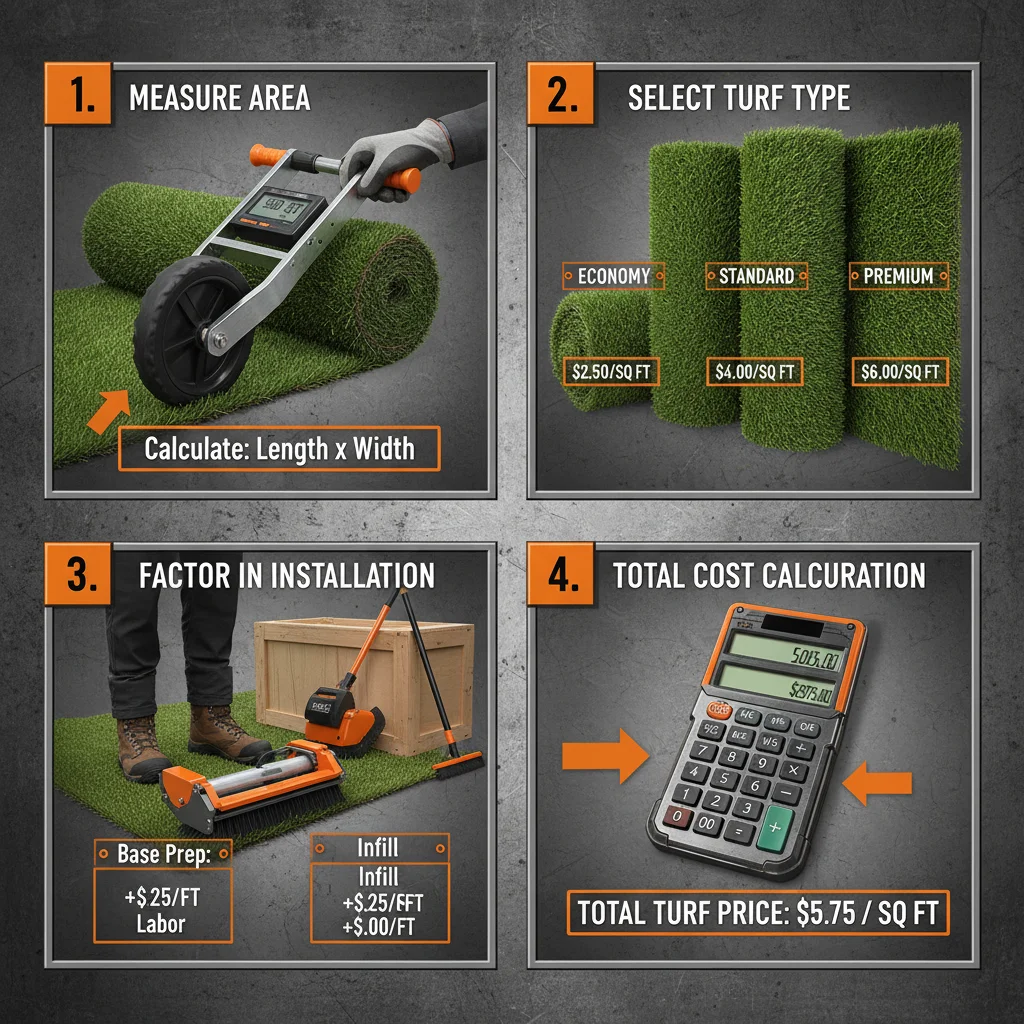
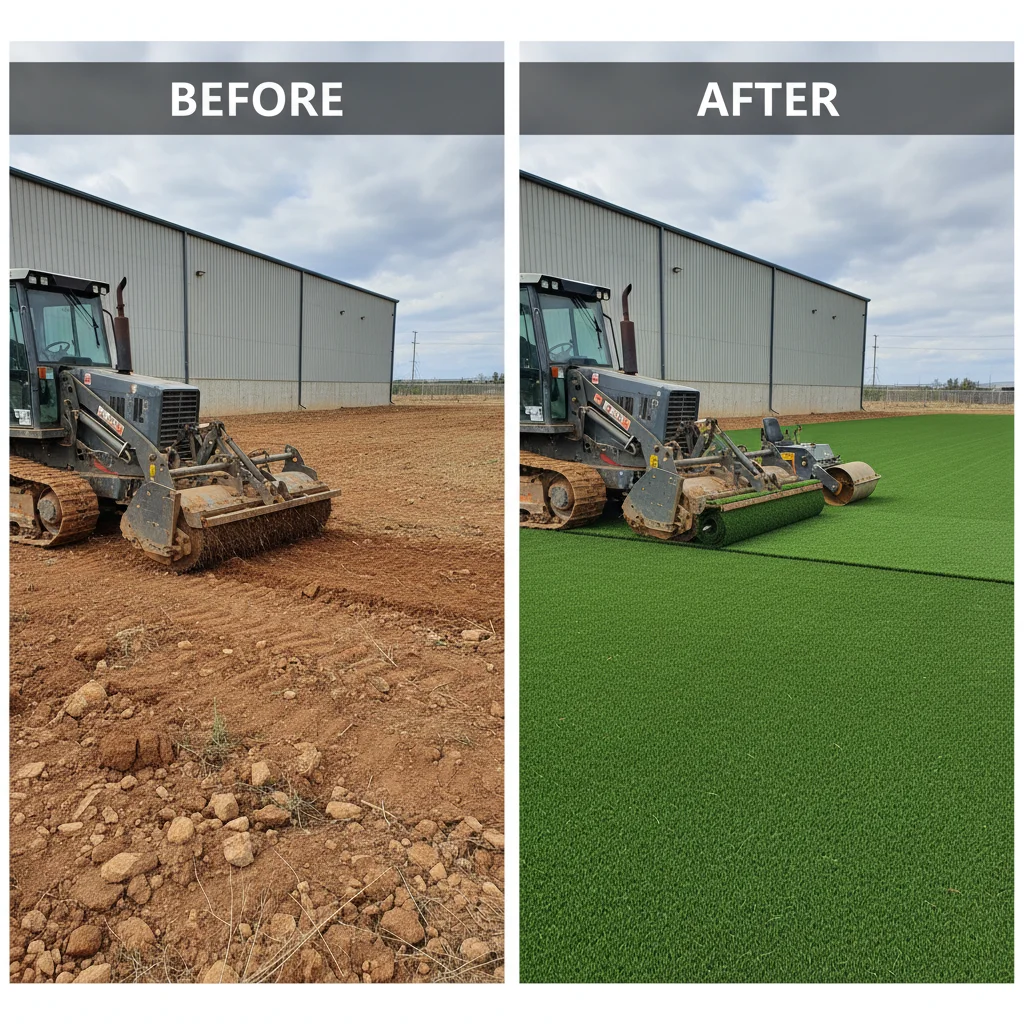
Where aesthetics or usability demand it, high-quality artificial turf offers a grass-like look without mowing or watering, though upfront costs and material concerns vary.
If watering’s needed, drip irrigation or smart controllers optimize water use, adapting to weather and soil moisture, avoiding wastage.
Maintaining soil fertility with compost and proper aeration ensures plants stay robust, reducing pest pressure and need for interventions.
Mini takeaway: Low maintenance no grass front yards blend smart plant choices and thoughtful materials to cut resource use while boosting curb appeal.
| Material | Typical Lifespan | Water Usage | Maintenance Needs | Installation Cost |
|---|---|---|---|---|
| Drought-Resistant Plants | 5+ years | Low | Low (weeding, pruning) | Moderate |
| Gravel & Hardscape | 10+ years | None | Very low (occasional raking) | Moderate |
| Artificial Turf | 8-15 years | None | Low (cleaning) | High |
From arid deserts in Australia to urban neighborhoods in California, low maintenance no grass front yards are popping up everywhere. In drought-prone regions like the American Southwest, city homeowners and municipalities are incentivized to replace water-hungry lawns with xeriscaping — a landscaping philosophy that relies heavily on drought-tolerant plants and hardscaping.
In places like the Mediterranean and South Africa, similar practices address both ecological sensitivity and the desire for stylish, functional outdoor space. In dense urban settings, commercial properties adopt permeable no-grass designs to aid stormwater management, reducing runoff and flood risks.
Even internationally, NGOs working in disaster relief often design temporary housing sites and camps with low maintenance landscaping to reduce upkeep demands and ensure availability of water for essentials.
Mini takeaway: The no grass trend serves diverse regions and sectors, reflecting a shared recognition of conserving resources while maintaining beauty.
Frankly, it also feels good knowing your home contributes less to environmental degradation. Plus, some folks note an unexpected sense of pride in having a distinctive yard — one that’s both smart and striking.
Looking ahead, technology is pushing the boundaries for what low maintenance yards can be. Smart irrigation systems that connect with weather apps, sensors that monitor soil moisture, and landscape designs integrating solar-powered lighting and garden features are becoming common.
Materials are evolving too—biodegradable synthetic turf and recycled stone products reduce ecological footprints. Green policies increasingly nudge developers and homeowners toward drought-friendly landscaping, sometimes with rebates and incentives.
Of course, the transition isn’t flawless. Some homeowners resist ditching green lawns due to cultural preferences or concerns about resale value. Others struggle with initial installation costs or local regulations.
Experts suggest community education campaigns can shift perceptions, and phased redesigns help ease budgets. Meanwhile, innovative financing, like green loans, can make upfront investments palatable.
| Vendor | Main Products | Price Range | Customization | Warranty/Support |
|---|---|---|---|---|
| EcoScape | Native plants, mulches | $$ | Medium | 3 years |
| GreenPave | Permeable pavers, stone | $$$ | High | 5 years |
| TurfTech | Artificial turf solutions | $$$$ | Medium | 7 years |
Switching to a low maintenance no grass front yard is more than decorative; it’s a practical step toward environmental stewardship, economic savings, and a more manageable lifestyle. As urban density rises and climate concerns mount, this landscaping approach is poised for wider adoption.
Ready to rethink your yard? Visit low maintenance no grass front yard for ideas, products, and expert guidance that fits your vision and values.
After all, your front yard is not just green — it’s smart, sustainable, and perfectly you.
Final thought: Low maintenance landscaping is an evolving story about how we work with nature, not against it — and that feels like progress.


Hit enter to search or ESC to close