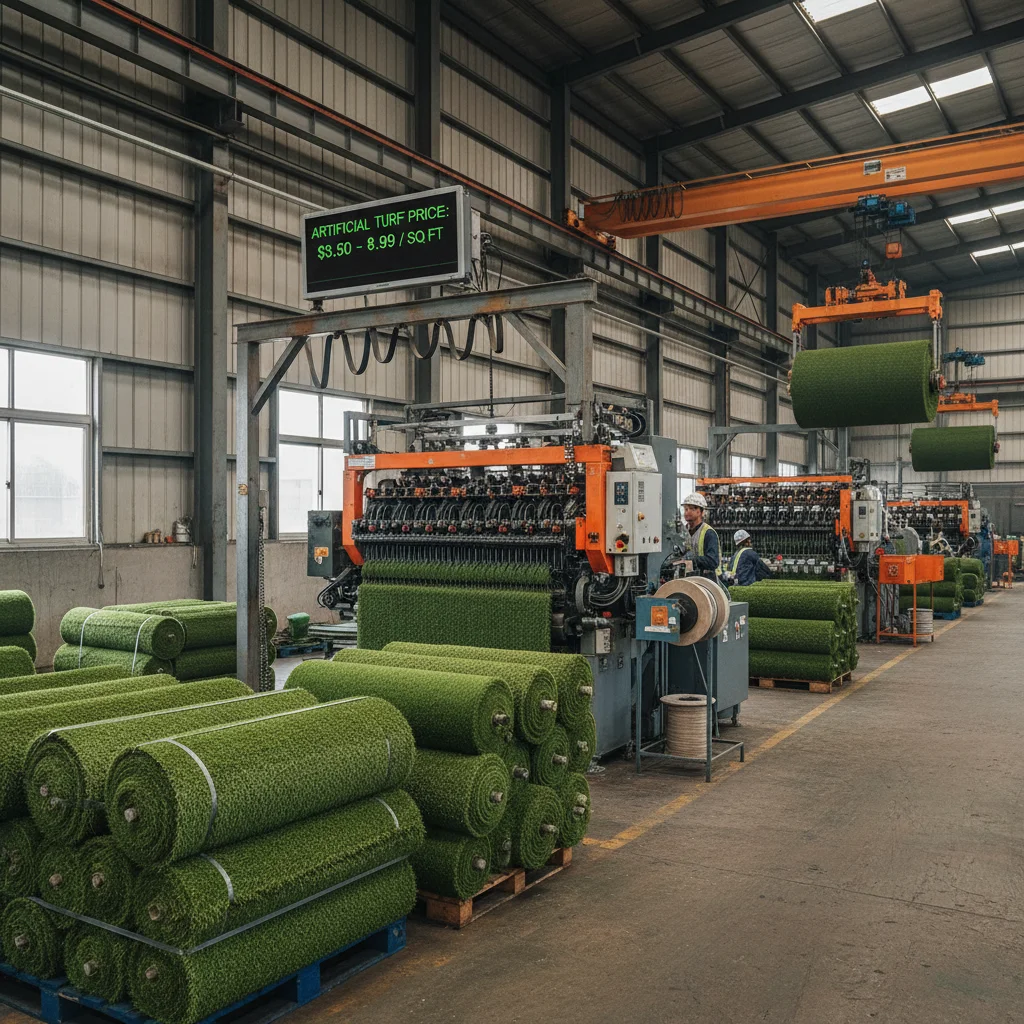
Discover Premium Football Turf for Sale and Revolutionize Your Field
  • Home
  • Top Blog
  • Discover Premium Football Turf for Sale and Revolutionize Your Field
0%

Table of Contents

Football turf for sale has revolutionized athletic surfaces globally, offering a durable and consistent playing experience compared to natural grass. Its increasing adoption is driven by factors like reduced maintenance costs, the ability to withstand heavy usage, and suitability for diverse weather conditions. Understanding the nuances of football turf for sale – from its composition to installation and upkeep – is crucial for sports organizations, municipalities, and individuals investing in high-quality athletic facilities.

The global market for artificial turf, including football turf for sale, is experiencing significant growth. According to recent reports, the industry is projected to reach multi-billion dollar valuations in the coming years, fueled by a surge in sports participation and a growing demand for all-weather playing surfaces. This growth presents both opportunities and challenges, particularly regarding sustainability and responsible manufacturing practices.

Investing in high-quality football turf for sale is no longer just a matter of convenience; it’s a strategic decision that impacts player performance, facility longevity, and overall operational efficiency. Selecting the right turf solution requires careful consideration of factors such as pile height, fiber type, and backing material. football turf for sale providers like Xiongyigrass offer a range of options to meet specific needs and budgets.
football turf for sale

Introduction to Football Turf for Sale

football turf for sale

The demand for football turf for sale stems from the need for consistent, reliable, and durable playing surfaces. Natural grass fields require extensive maintenance, are susceptible to weather damage, and often limit usage due to recovery periods. Football turf, on the other hand, provides a solution that minimizes downtime and maximizes field availability.

Modern football turf isn’t just about aesthetics; it's about player safety and performance. Advancements in fiber technology, infill materials, and shock absorption layers have created surfaces that mimic the feel and responsiveness of natural grass while reducing the risk of injuries. Investing in quality football turf for sale is crucial for any serious sporting facility.

Defining Football Turf for Sale

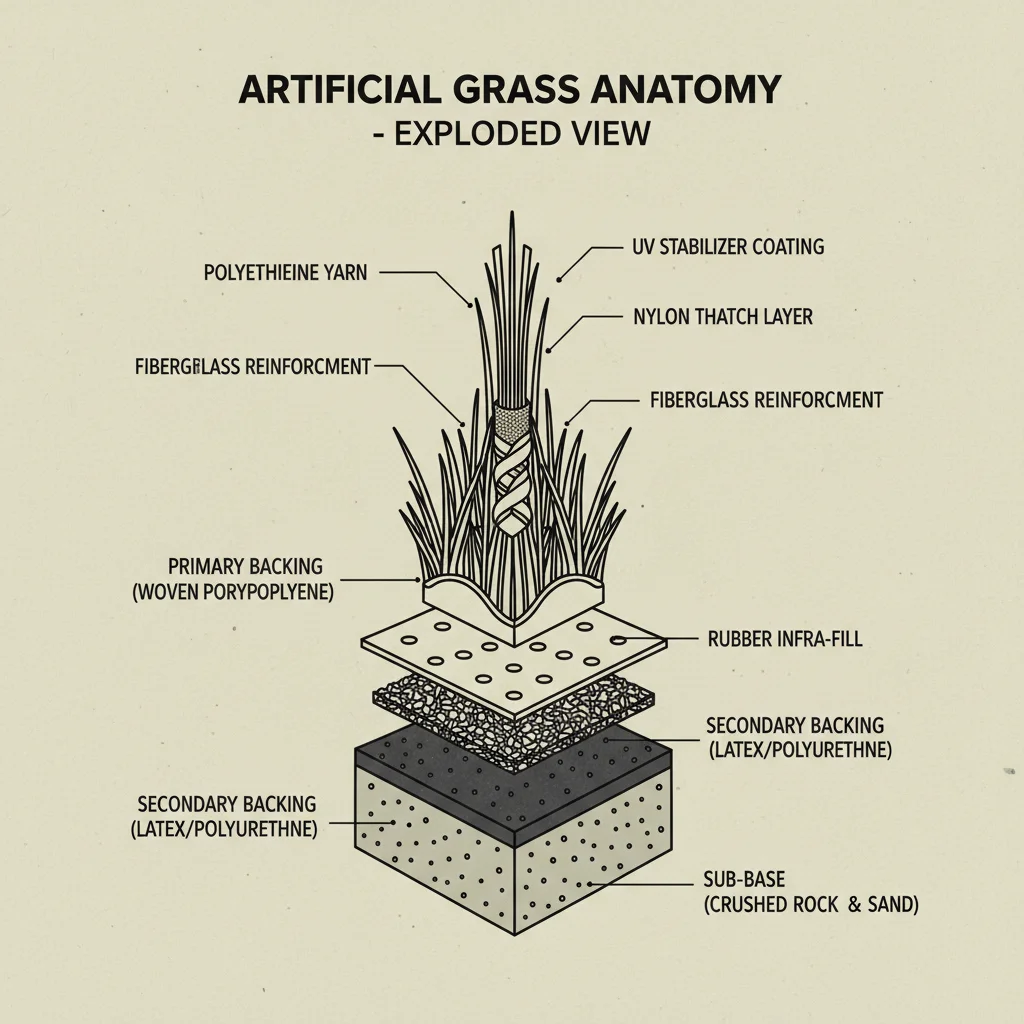
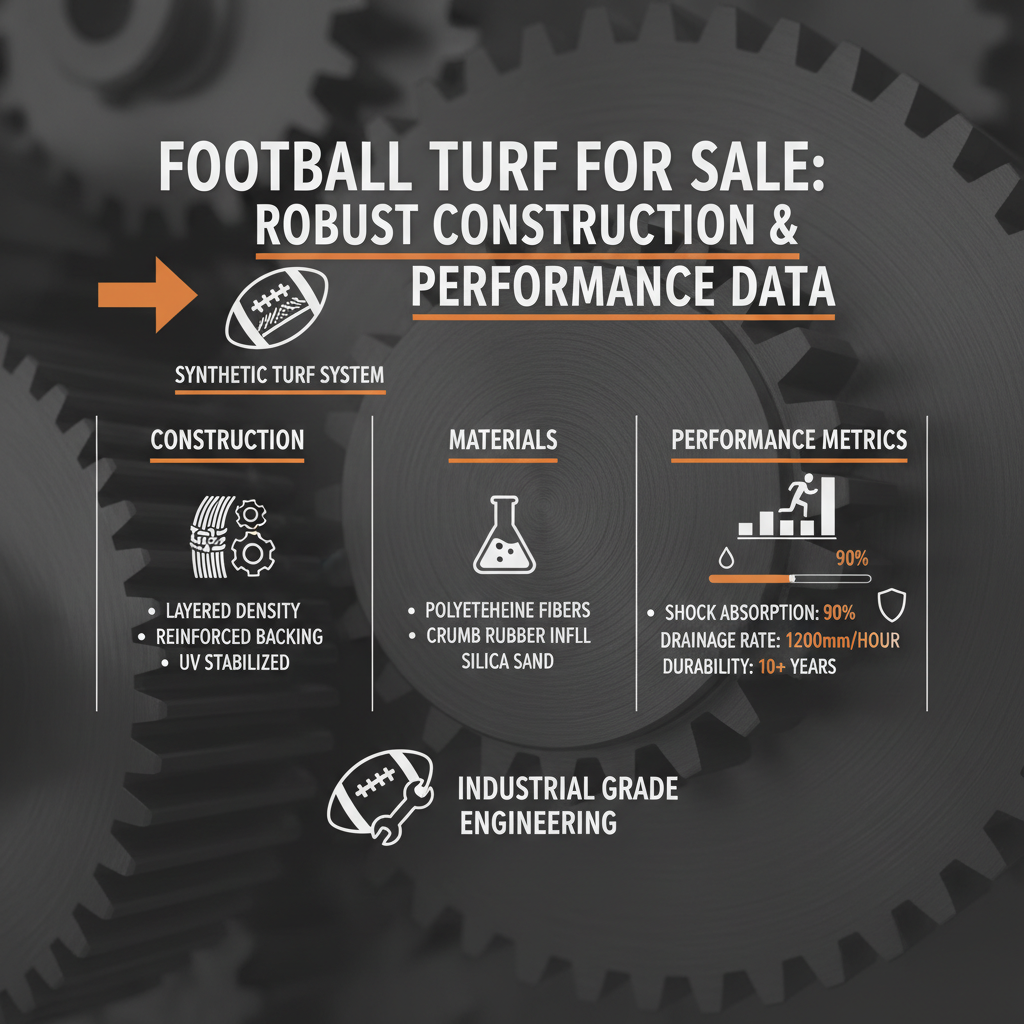
Football turf for sale refers to synthetic surfaces designed to replicate the appearance and performance characteristics of natural grass, specifically for football (soccer) and other field sports. It's typically comprised of artificial fibers – often polyethylene, polypropylene, or nylon – woven or tufted into a backing material, and then filled with infill materials like crumb rubber or sand.

The development of football turf has been driven by the need for durable, low-maintenance playing surfaces. Initially conceived as a solution for indoor stadiums, it quickly gained popularity for outdoor use due to its ability to withstand heavy traffic and adverse weather conditions. Its connection to modern industry extends to materials science, manufacturing, and athletic performance optimization.

Understanding the different components of football turf is crucial when considering a purchase. The quality of the fibers, the density of the weave, and the type of infill all contribute to the turf's overall performance, durability, and safety. football turf for sale options vary widely, catering to different budgets and performance requirements.

Key Factors Influencing Football Turf Quality

Durability: The lifespan of football turf is a critical factor. High-quality turf utilizes robust fibers and backing materials that can withstand years of heavy use and exposure to the elements. Look for turf with a warranty that reflects the manufacturer’s confidence in its durability.

Performance: The ability of the turf to provide a consistent and responsive playing surface is paramount. Factors like pile height, fiber density, and infill type significantly impact ball roll, player traction, and overall playability. Proper performance characteristics minimize injury risk and enhance the athletic experience.

Drainage: Effective drainage is essential to prevent waterlogging and maintain a safe playing surface. Modern football turf systems incorporate advanced drainage layers that efficiently remove water, allowing for quicker recovery times after rain.
UV Resistance: Prolonged exposure to sunlight can degrade the fibers of the turf. High-quality turf is treated with UV stabilizers to protect against fading and maintain its structural integrity over time.
Safety: Proper shock absorption is vital to minimize impact forces and reduce the risk of injuries. Turf systems often incorporate cushioning layers that provide optimal shock attenuation.

Global Applications of Football Turf for Sale

Football turf for sale is utilized across a vast spectrum of applications, extending far beyond professional football stadiums. Schools, universities, and community sports facilities increasingly rely on artificial turf to provide year-round playing options, regardless of weather conditions.

The demand is particularly strong in regions with harsh climates, where natural grass struggles to thrive. In areas experiencing drought or extreme temperatures, football turf offers a sustainable alternative that conserves water and reduces maintenance costs. Furthermore, it's becoming increasingly common in indoor facilities and multi-purpose sports complexes.

Football Turf for Sale Adoption Rates by Application

Advantages and Long-Term Value

The advantages of choosing football turf for sale extend beyond initial cost savings. Reduced maintenance demands – eliminating the need for mowing, watering, and fertilizing – translate into significant long-term financial benefits. This makes it an attractive option for organizations with limited budgets and resources.

From a sustainability perspective, football turf can contribute to water conservation efforts, particularly in arid regions. The consistent playing surface also enhances player safety, reducing the risk of injuries associated with uneven terrain. Furthermore, the long lifespan of modern turf systems minimizes the need for frequent replacements, reducing waste.

Future Trends in Football Turf Technology

The future of football turf for sale lies in continued innovation in materials science and manufacturing processes. Researchers are exploring bio-based fibers, recyclable infill materials, and advanced shock absorption technologies to further enhance performance and sustainability.

Smart turf systems, incorporating sensors and data analytics, are also on the horizon. These systems can monitor turf wear, track player performance, and optimize maintenance schedules, leading to improved field management and enhanced player safety. Digital integration will play a key role in maximizing the value of football turf investments.

Challenges and Solutions in Football Turf Implementation

Despite its numerous benefits, football turf implementation faces challenges such as initial installation costs, concerns about heat retention, and the environmental impact of end-of-life disposal. However, these challenges are being addressed through ongoing research and development.

Innovative infill materials, such as cork or coconut coir, offer improved cooling properties and are more environmentally friendly than traditional crumb rubber. Recycling programs are also gaining traction, providing sustainable solutions for turf disposal. Careful consideration of site-specific factors, such as drainage and sun exposure, is crucial for successful installation.

Selecting a reputable football turf for sale provider with expertise in installation and maintenance is essential to mitigate these challenges and ensure a long-lasting, high-performance playing surface.

Summary of Common Football Turf Challenges and Solutions

Challenge Impact on Performance Potential Solution Implementation Cost (1-10)
High Initial Cost Limits accessibility for smaller organizations. Phased installation, exploring financing options. 7
Heat Retention Can lead to player discomfort and potential health risks. Utilizing evaporative cooling infills, shaded areas. 5
Infill Migration Compromises playing surface consistency and drainage. Implementing advanced fiber locking technologies. 6
Drainage Issues Waterlogging reduces field usability and increases maintenance. Installing robust subsurface drainage systems. 8
End-of-Life Disposal Environmental concerns related to landfill waste. Participating in turf recycling programs. 4
Maintenance Requirements Despite lower maintenance, regular brushing and infill replenishment are needed. Developing a proactive maintenance schedule. 3

FAQS

What are the key differences between first and second-generation football turf?

First-generation turf, dating back to the 1960s, used short, dense pile and lacked the cushioning of modern systems. Second-generation turf introduced longer fibers and infill materials like crumb rubber, improving playability and reducing injury risk. These advancements significantly enhanced the feel and performance characteristics, making it a more viable alternative to natural grass. Modern turf offers even further refinements in fiber technology, infill compositions, and shock absorption layers.

How often does football turf need to be replaced?

The lifespan of football turf typically ranges from 8 to 15 years, depending on usage frequency, maintenance practices, and the quality of materials used. Heavy use in professional settings may necessitate replacement sooner, while less intensive use in recreational settings can extend its lifespan. Regular maintenance, including brushing, infill replenishment, and occasional deep cleaning, is crucial for maximizing turf longevity.

Is artificial turf more or less expensive than natural grass in the long run?

While the initial investment for artificial turf is higher, it often proves more cost-effective over the long term. Natural grass requires ongoing maintenance – mowing, watering, fertilizing, pest control – which can be substantial. Artificial turf eliminates these costs and requires less frequent replacement. Factoring in water conservation, reduced labor, and increased field availability, artificial turf typically offers a lower total cost of ownership.

What are the environmental concerns surrounding football turf, and what solutions exist?

Concerns include the use of crumb rubber infill (derived from recycled tires), potential runoff from the turf surface, and end-of-life disposal. Solutions involve exploring alternative infill materials like cork, coconut coir, or thermoplastic elastomers, implementing proper drainage systems to minimize runoff, and participating in turf recycling programs. Sustainable turf manufacturing practices are also gaining prominence.

How does football turf impact player safety compared to natural grass?

Modern football turf systems are designed to enhance player safety. They provide a consistent playing surface, reducing the risk of slips and falls. Advanced shock absorption layers minimize impact forces, potentially lowering the incidence of certain injuries. However, proper maintenance and the selection of high-quality turf are crucial for maximizing safety benefits. Studies have shown that injury rates can vary depending on turf quality and usage patterns.

What maintenance is required for football turf?

Regular maintenance is essential for maximizing the lifespan and performance of football turf. This includes brushing the fibers to maintain pile height, replenishing infill materials to provide adequate cushioning and support, removing debris, and periodically disinfecting the surface. Deep cleaning and specialized maintenance procedures may be required annually or bi-annually, depending on usage frequency and environmental conditions.

Conclusion

Football turf for sale has transformed the landscape of athletic facilities worldwide, offering a durable, low-maintenance, and increasingly sustainable alternative to natural grass. From professional stadiums to community fields, the benefits are clear: enhanced playability, reduced operational costs, and increased field availability. The continuous advancements in materials science and manufacturing processes promise even more sophisticated and environmentally friendly turf solutions in the years to come.

As the demand for high-quality athletic surfaces continues to grow, investing in properly installed and maintained football turf is a strategic decision for any organization committed to providing a safe, reliable, and enjoyable playing experience. Visit our website at www.xiongyigrass.com to explore our comprehensive range of football turf solutions and discover how we can help you create the perfect playing surface for your needs.

If you are interested in our products, you can choose to leave your information here, and we will be in touch with you shortly.