Look, after running around construction sites all year, dealing with dust and sweat, you start to see patterns. Artificial grass suppliers… it's booming, right? Everyone wants it. Not just for soccer fields anymore. It's in backyards, on rooftops, even inside some fancy hotels. To be honest, it’s a far cry from the plastic stuff we used to see twenty years ago. It’s…better. Much better.
Have you noticed how everything is about ‘low maintenance’ these days? That’s driving the demand. People don’t want to spend their weekends mowing lawns. They want to… well, they want to *live*. But it's not just laziness, you know? Water restrictions are getting tougher, and real grass just isn't practical in a lot of places. So, the demand is there, and the artificial grass suppliers are scrambling to keep up.
And the suppliers...they're all promising the moon. "Realistic look!" "Super durable!" "Eco-friendly!" It’s a sales pitch, of course. But there's real innovation happening too.
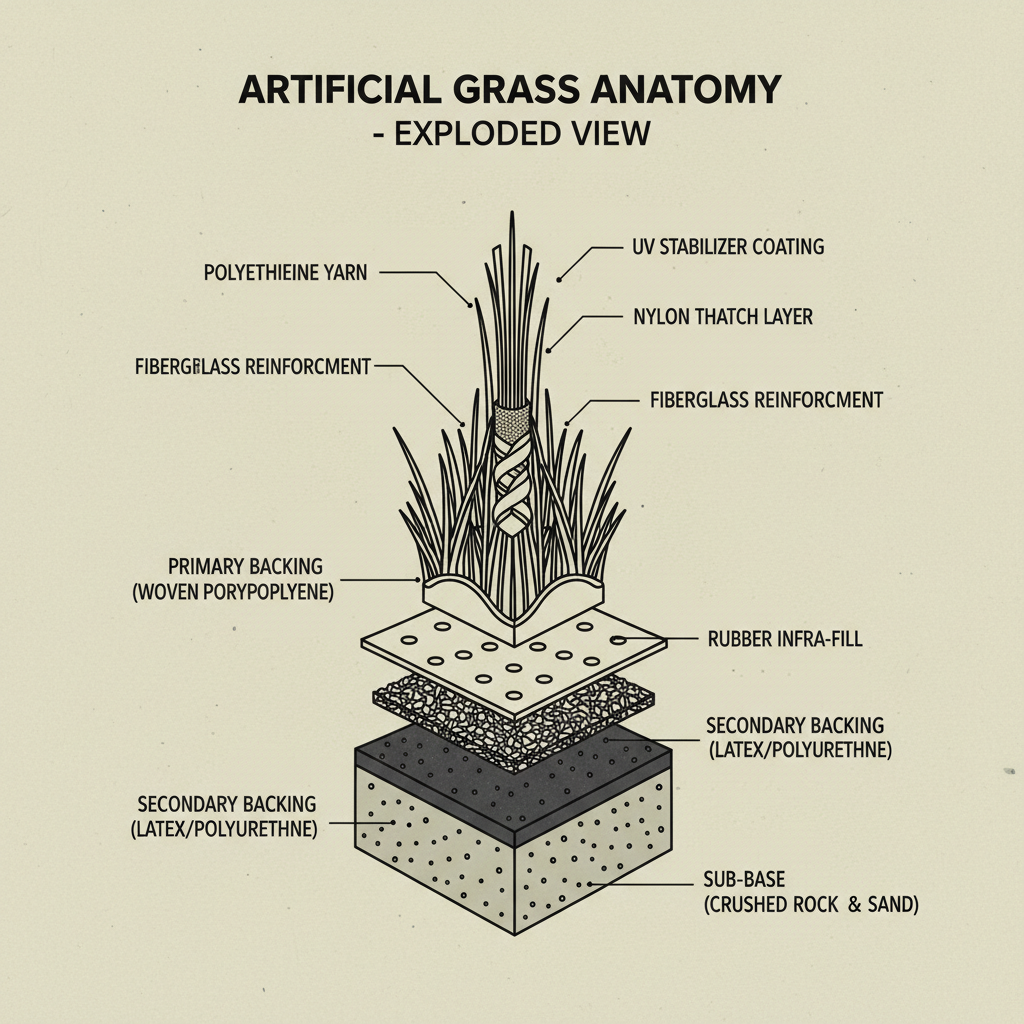
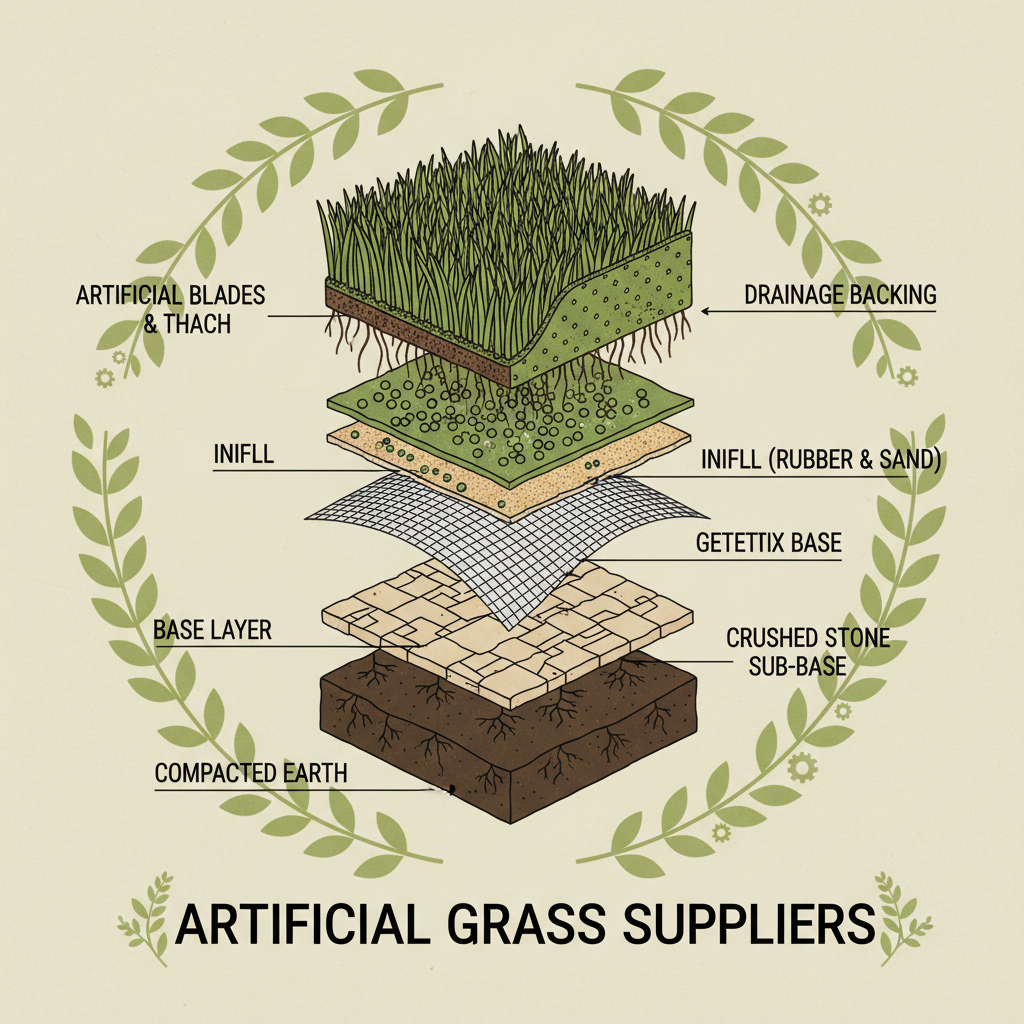
Strangely enough, a lot of the big players aren't the ones innovating the fastest. It’s the smaller, more nimble artificial grass suppliers that are really pushing the boundaries. They’re experimenting with different fiber types, backing materials, and infill options. I encountered this at a factory in Jiangsu province last time – a guy was showing me a new polyethylene blend with a cork infill. Smelled like a wine cellar, honestly. A bit weird, but apparently it improves drainage and reduces heat.
The market is increasingly fragmented, though. You’ve got the large-scale manufacturers in China, the distributors in Europe and North America, and a growing number of smaller, specialized suppliers catering to niche markets. It makes sourcing a real headache sometimes.
Generally, good quality artificial grass will last anywhere from 8 to 15 years, depending on the amount of traffic it receives, the quality of the materials used, and how well it’s maintained. We've seen installations last longer, but that’s usually with meticulous care and professional upkeep. The UV stabilizers in the fibers degrade over time, causing fading and brittleness. So, it's not forever, but it’s a long time.
Compared to natural grass, the maintenance is minimal. You’ll need to brush it occasionally to keep the fibers upright, remove any debris like leaves or twigs, and rinse it off periodically to prevent the build-up of dirt and algae. Some people like to add more infill as it gets compacted over time. But honestly, it’s a fraction of the work involved with a traditional lawn.
Generally, yes, but you need to choose the right type of infill. Crumb rubber can get hot and can also be ingested by pets, which is a concern for some. We recommend using alternative infills like cork or coconut fibers, which are safer and more environmentally friendly. Also, make sure the grass is properly installed and maintained to prevent tripping hazards.
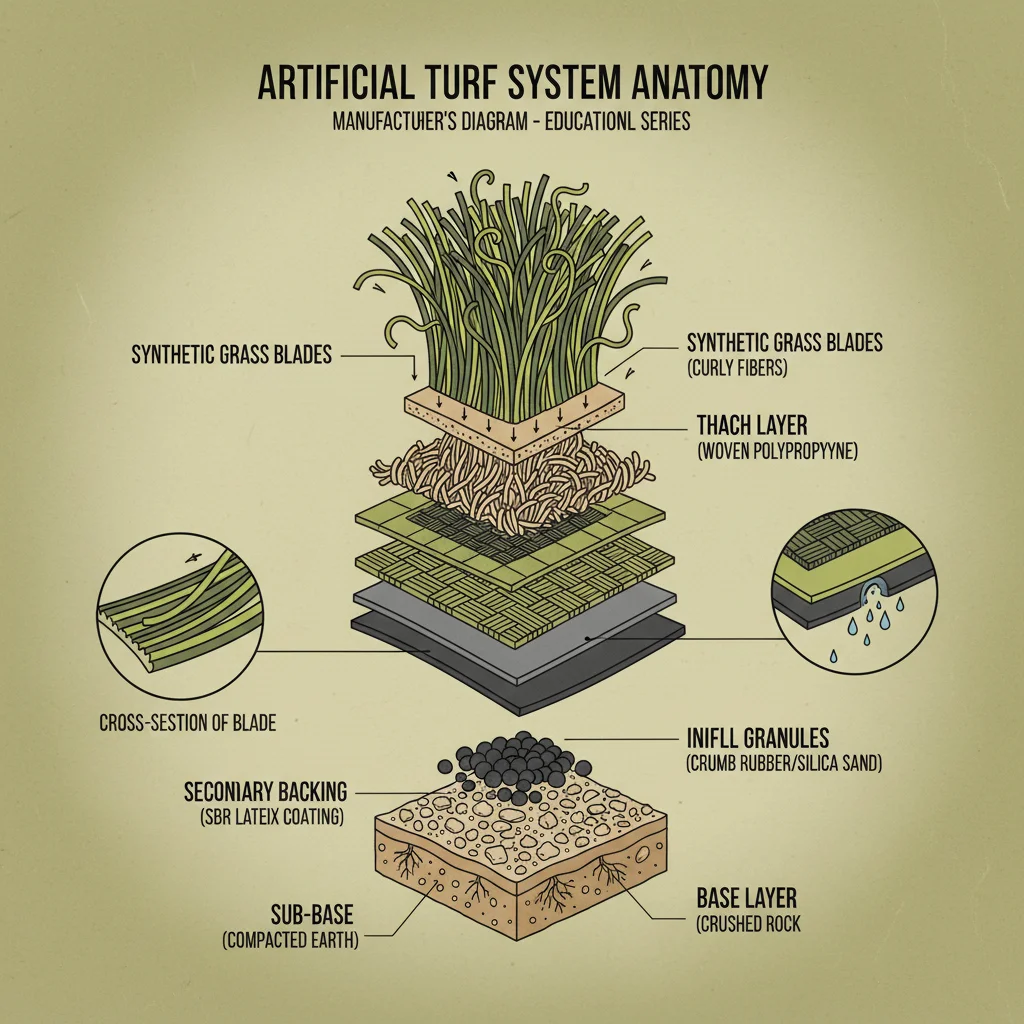
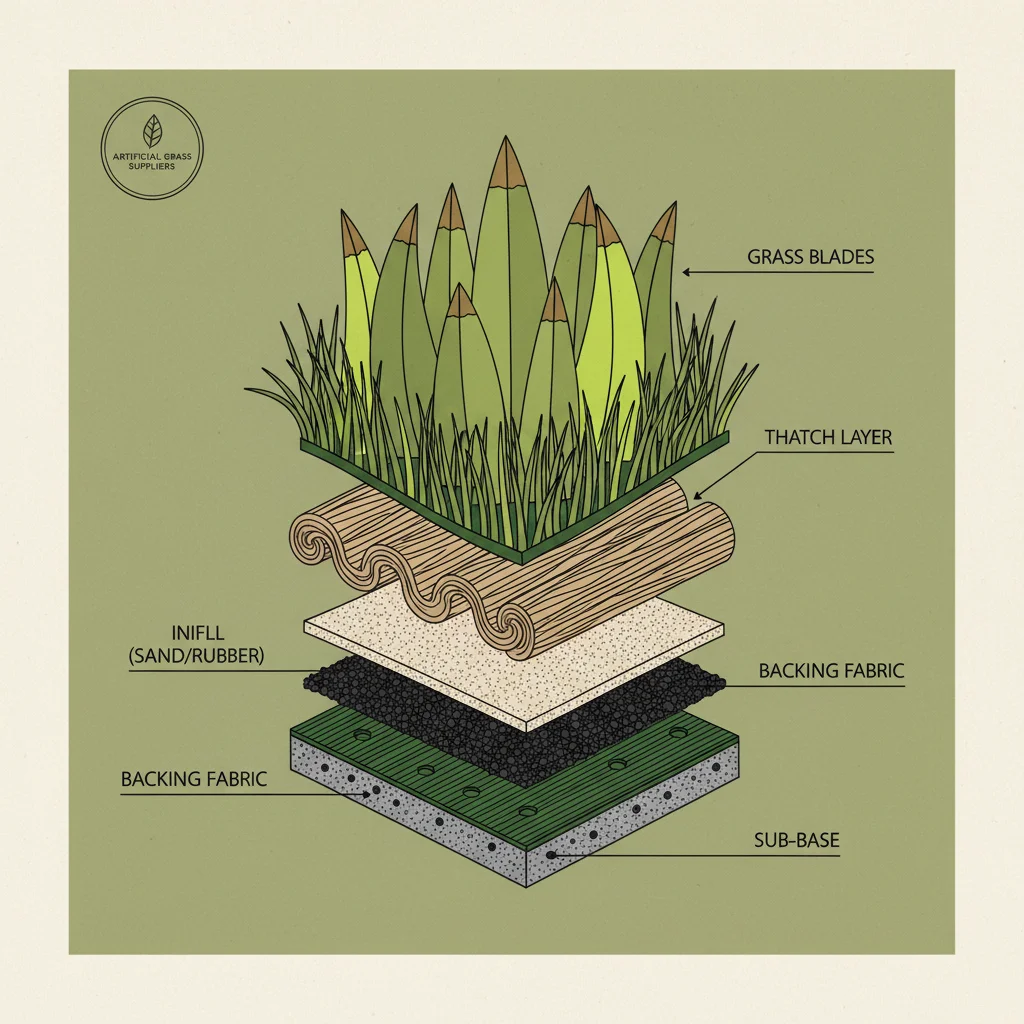
Good artificial grass systems have excellent drainage. They typically use a perforated base layer and a drainage layer beneath the infill. This allows water to drain quickly and efficiently, preventing pooling and flooding. It’s crucial to ensure proper drainage to prevent the grass from becoming waterlogged and developing odors.
The initial cost of installing artificial grass is typically higher than establishing a natural lawn. But over the long term, it can actually be more cost-effective. You won’t have to pay for mowing, fertilizing, watering, or pest control. Plus, artificial grass has a longer lifespan, so you won’t have to replace it as often as you would reseed or resod a natural lawn.
That's a tricky one. Recycling artificial grass is challenging because it’s a complex composite material. However, there are some companies that are developing technologies to recycle it, breaking it down into its constituent components. It’s an evolving field, and we’re hopeful that more recycling options will become available in the future. But honestly, it's not easy right now.
So, there you have it. Artificial grass suppliers aren't just selling a product; they're selling a lifestyle. A low-maintenance, water-wise, aesthetically pleasing alternative to the traditional lawn. It’s not perfect, mind you. It has its drawbacks. But for many people, the benefits outweigh the costs.
Ultimately, whether this thing works or not, the worker will know the moment he tightens the screw. You can talk about denier and stitch rates all day long, but if it doesn’t feel right underfoot, if it doesn’t drain properly, if it doesn’t look good… it doesn’t matter. The proof is in the pudding – or, in this case, in the feel of the grass.



Hit enter to search or ESC to close