Artificial turf price is a critical factor influencing the accessibility and adoption of synthetic grass solutions worldwide. From residential lawns to professional sports fields, understanding the various components contributing to the final cost—materials, installation, maintenance—is essential for informed decision-making. The global demand for artificial turf is steadily increasing, driven by water conservation efforts, reduced maintenance requirements, and its ability to provide a consistently high-quality playing surface, making the understanding of artificial turf price crucial for consumers and businesses alike.
The relevance of artificial turf price extends beyond individual purchases. It impacts large-scale projects like stadium construction, school athletic facilities, and municipal park upgrades. Fluctuations in raw material costs (like polyethylene and polypropylene), advancements in manufacturing technology, and regional labor rates all play a significant role in shaping the overall price landscape. Analyzing these variables allows for accurate budgeting and the selection of cost-effective solutions. artificial turf price awareness is, therefore, pivotal for efficient project management.
Ultimately, a clear grasp of artificial turf price empowers individuals and organizations to maximize their investment. It facilitates comparison shopping, negotiation with suppliers, and a thorough assessment of long-term value. The cost isn’t simply about initial expenditure; factors like lifespan, warranty coverage, and potential savings on water and maintenance must all be considered to determine the true return on investment when analyzing the artificial turf price.
The Global Significance of Artificial Turf Price
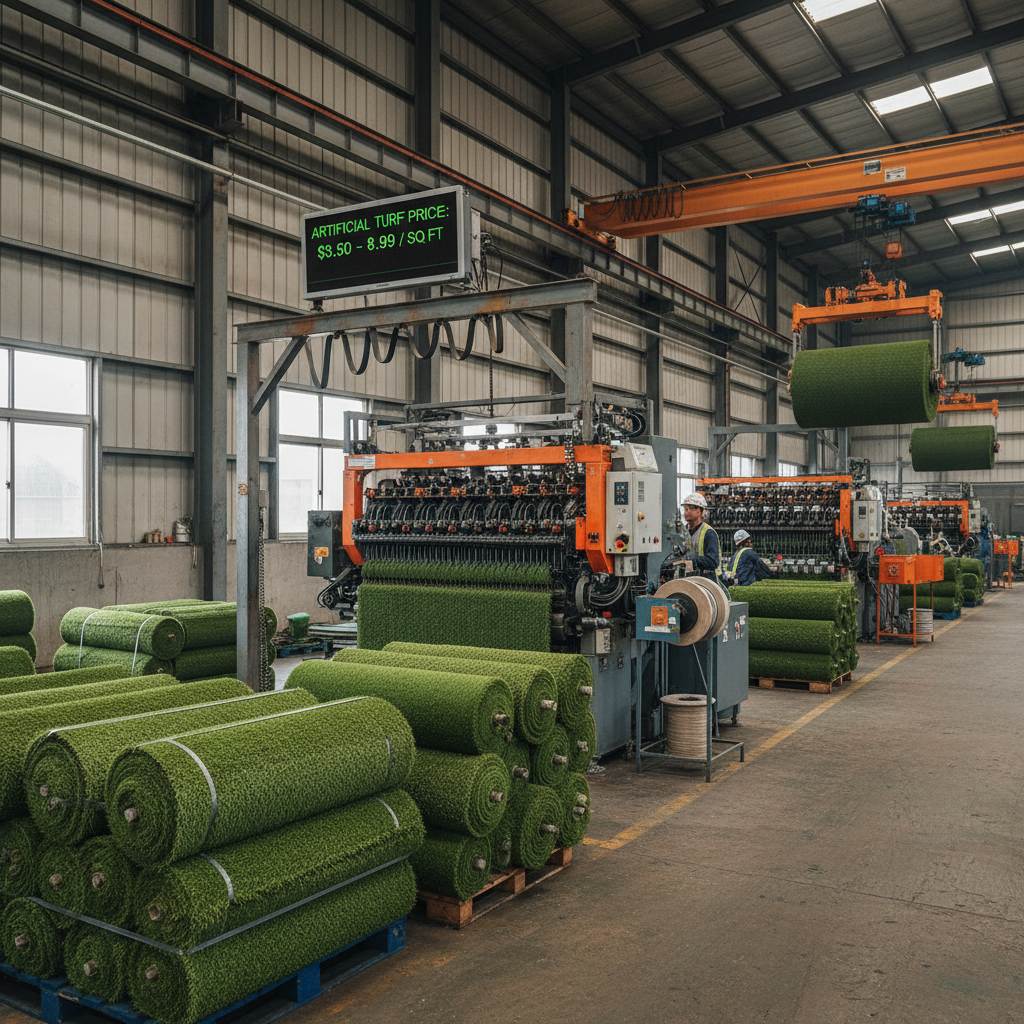
The global artificial turf market is experiencing substantial growth, estimated to reach \$3.3 billion by 2028 (Source: Grand View Research). This expansion is driven by increasing water scarcity, particularly in arid and semi-arid regions, and the growing demand for low-maintenance landscaping solutions. Understanding the nuances of artificial turf price is therefore essential for governments, businesses, and individuals seeking sustainable and cost-effective alternatives to natural grass.
Significant variations in artificial turf price exist between regions, influenced by factors like import duties, transportation costs, and local labor rates. For example, prices in North America are often higher than in Asia due to manufacturing and shipping expenses. The United Nations Sustainable Development Goal 6, which aims to ensure access to water and sanitation for all, indirectly supports the increased adoption of artificial turf as a water-conserving solution, and the artificial turf price plays a pivotal role in its accessibility.
Defining Artificial Turf Price
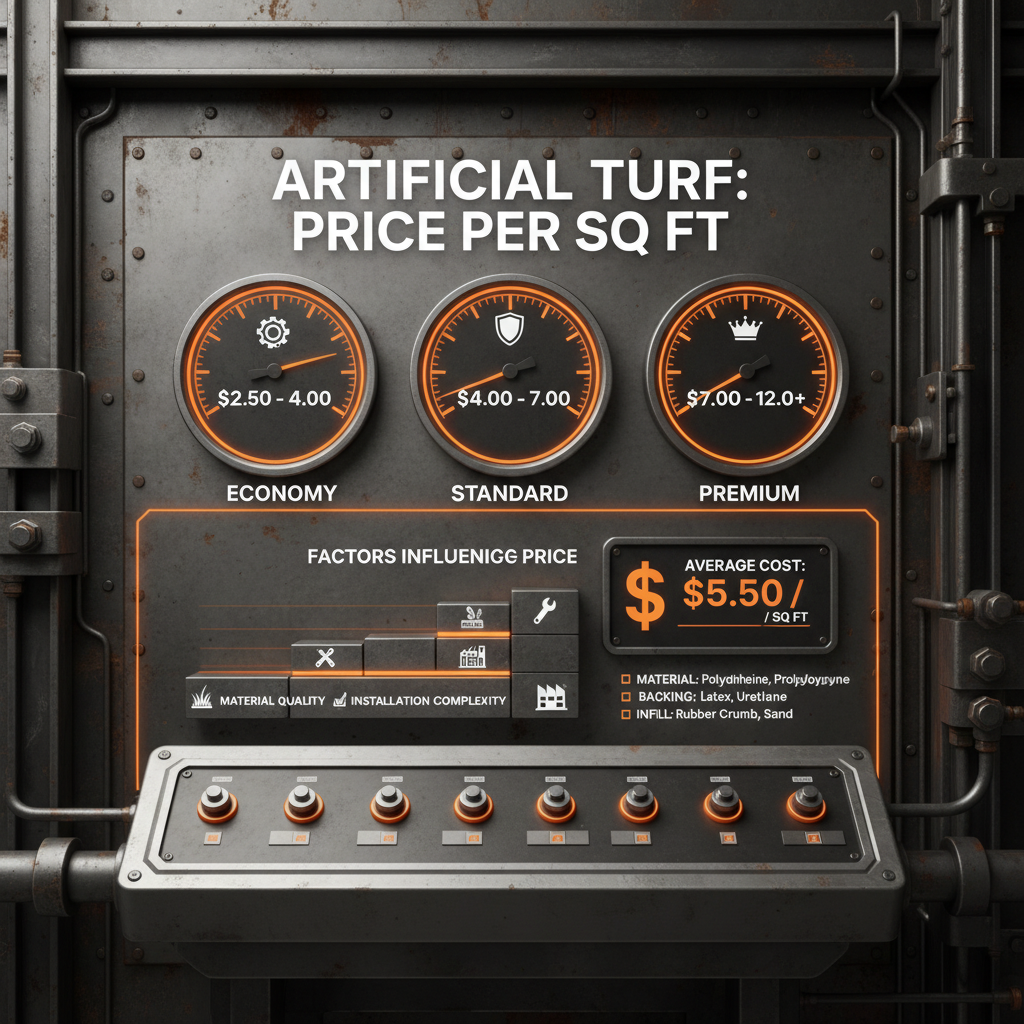
Artificial turf price encompasses the total cost associated with acquiring and installing synthetic grass. This includes the cost of the turf itself (typically priced per square foot or square meter), the necessary underlayment materials (like foam padding or crumb rubber), the cost of installation labor, and any site preparation work required (grading, leveling, and removing existing vegetation). Variations in turf quality (pile height, fiber density, yarn material) significantly impact the base price.
The definition of artificial turf price also extends to ongoing costs. While artificial turf requires minimal watering, regular maintenance – such as brushing, infill replenishment, and occasional deep cleaning – does incur expenses. A comprehensive understanding of these lifecycle costs is crucial for evaluating the true value proposition.
In the context of modern industry, accurate artificial turf price assessment is vital for project feasibility studies. For example, municipalities planning to convert public parks to synthetic turf need to carefully analyze the initial investment versus long-term savings on water, maintenance, and potential revenue generation from increased usage.
Key Factors Influencing Artificial Turf Price
Several core components drive the artificial turf price. Turf Fiber Type is paramount – polyethylene is the most common (and often more affordable) while polypropylene and nylon offer enhanced durability and performance, increasing the price. Pile Height, the length of the fibers, also affects cost; longer piles generally demand a higher price.
Underlayment Materials contribute significantly to the overall cost and comfort. Foam padding provides cushioning and shock absorption, while crumb rubber infill (often made from recycled tires) helps support the turf fibers and enhance performance. The type and quantity of infill chosen will directly influence the artificial turf price. Installation Complexity – the size of the area, accessibility, and existing landscaping features – will impact labor costs and, consequently, the overall project price.
Furthermore, Manufacturer Reputation and Warranty play a role. Established brands often charge a premium for their products, but they typically offer more comprehensive warranties and superior quality control. Finally, Geographic Location influences price due to variations in shipping costs, labor rates, and local demand.
Applications and Regional Variations in Artificial Turf Price
Artificial turf finds diverse applications globally. In North America, it’s widely used for residential lawns, sports fields (football, soccer, baseball), and putting greens. The price varies substantially based on the application; sports fields require higher-performance turf and more extensive installation, resulting in a higher artificial turf price.
Europe exhibits growing adoption of artificial turf in landscaping, particularly in urban areas where water conservation is a priority. The price tends to be influenced by stricter environmental regulations and a greater emphasis on sustainable materials. In the Middle East, where water scarcity is acute, artificial turf is a popular solution for both residential and commercial landscapes, with prices often reflecting high import costs and specialized installation requirements.
Artificial Turf Price Comparison by Application
Advantages and Long-Term Value of Artificial Turf
The benefits of artificial turf extend beyond simply eliminating the need for watering. Significant cost savings are realized over the lifespan of the turf due to reduced maintenance requirements – no mowing, fertilizing, or weed control. This translates to substantial savings for homeowners, schools, and municipalities. The long-term value often outweighs the initial artificial turf price.
Artificial turf also offers enhanced safety features, particularly for athletic fields. The consistent playing surface reduces the risk of injuries compared to natural grass, which can develop uneven patches and become slippery. From a sustainability standpoint, artificial turf conserves water, reduces the use of pesticides and herbicides, and can be made from recycled materials, contributing to a smaller environmental footprint.
Future Trends and Innovations Impacting Artificial Turf Price
Several emerging trends are poised to influence artificial turf price in the coming years. Advancements in bio-based materials – using renewable resources to create turf fibers – are expected to become more prevalent, potentially lowering production costs and enhancing sustainability.
Smart turf technologies, incorporating sensors to monitor moisture levels and turf health, are also gaining traction. These technologies can optimize maintenance schedules and extend the lifespan of the turf. Furthermore, increased automation in manufacturing processes is likely to drive down production costs, leading to more competitive artificial turf price points.
The development of more realistic turf aesthetics, mimicking the look and feel of natural grass, is another area of innovation. Enhanced fiber technology and innovative infill materials will continue to improve the visual appeal and playability of artificial turf, potentially influencing the willingness of consumers to pay a premium.
Challenges and Mitigation Strategies for Artificial Turf Price
Despite its advantages, artificial turf faces certain challenges. High initial costs can be a barrier to entry for some consumers. Concerns about heat retention – particularly in warmer climates – and the potential for microplastic pollution are also being addressed.
Mitigation strategies include exploring financing options and government incentives to reduce the upfront artificial turf price. Developing cooling technologies – such as evaporative cooling systems or specialized infill materials – can help alleviate heat retention issues. Researching and implementing sustainable infill alternatives, such as cork or coconut fibers, can minimize microplastic pollution.
Furthermore, promoting responsible end-of-life recycling programs for artificial turf is crucial. Developing innovative methods for reclaiming and reusing turf materials can reduce landfill waste and create a circular economy, ultimately contributing to the long-term sustainability and affordability of artificial turf solutions.
Summary of Artificial Turf Price Challenges and Mitigation Strategies
| Challenge |
Impact on Artificial Turf Price |
Mitigation Strategy |
Expected Price Impact |
| High Initial Cost |
Limits accessibility for some buyers |
Financing options, government incentives |
Moderate reduction in upfront cost |
| Heat Retention |
Decreases usability in hot climates |
Cooling technologies, specialized infill |
Moderate increase in initial cost, but improved long-term value |
| Microplastic Pollution |
Environmental concerns, potential regulations |
Sustainable infill alternatives (cork, coconut fiber) |
Slight increase in cost for eco-friendly materials |
| Raw Material Price Fluctuations |
Unpredictable cost changes |
Long-term supply contracts, diversification of suppliers |
Stabilization of pricing, reduced risk of sudden increases |
| Installation Costs |
Significant portion of overall project cost |
Prefabricated turf systems, standardized installation procedures |
Reduction in labor costs, faster installation times |
| End-of-Life Management |
Disposal challenges, landfill waste |
Recycling programs, material reclamation technologies |
Potential cost savings from recovered materials, reduced landfill fees |
FAQS
The biggest contributors to artificial turf price are the type of turf fibers used (polyethylene, polypropylene, nylon), the pile height, the quality and quantity of infill material, the complexity of the installation site, and regional labor costs. Higher-quality materials and more challenging installations will invariably increase the final price. Understanding these factors allows for more informed budgeting and comparison shopping.
While the initial artificial turf price is higher than establishing a natural grass lawn, the long-term costs are often significantly lower. Natural grass requires regular mowing, fertilizing, weeding, watering, and pest control, all of which incur ongoing expenses. Artificial turf eliminates these costs, resulting in substantial savings over its lifespan, often offsetting the higher upfront investment. Consider a 10-year lifecycle cost analysis when comparing the two options.
The average lifespan of high-quality artificial turf is 8-15 years, depending on usage and maintenance. A longer lifespan directly impacts the overall cost per year, making it a more economically viable option. Regular maintenance, such as brushing and infill replenishment, can extend the turf's lifespan and maximize its value. Warranties offered by manufacturers also play a role in protecting your investment.
Potential hidden costs can include site preparation (grading, leveling, removing existing vegetation), drainage improvements, the cost of base materials (aggregate or gravel), and permits required by local authorities. It's crucial to obtain a detailed quote from a reputable installer that outlines all potential costs upfront to avoid unexpected expenses.
Research multiple installers, check their online reviews, and ask for references from previous clients. Obtain detailed quotes from at least three different companies, comparing not only the price but also the scope of work and warranty terms. Ensure the installer is licensed and insured, and verify their experience with similar projects. artificial turf price comparison should include all installation details.
Yes, the type of infill significantly impacts the artificial turf price. Crumb rubber is the most affordable option, but other materials like silica sand, coconut fiber, and cork offer improved performance and environmental benefits. These alternatives generally come with a higher price tag. The infill chosen should be compatible with the turf fibers and meet safety standards.
Conclusion
In conclusion, artificial turf price is a multifaceted consideration encompassing initial investment, long-term savings, and the value of sustainability and reduced maintenance. Understanding the factors influencing cost – from fiber type and pile height to installation complexity and infill materials – empowers informed decision-making. As technology advances and eco-friendly alternatives become more accessible, artificial turf will continue to offer a compelling solution for residential, commercial, and athletic applications.
Looking ahead, the trend towards sustainable materials and smart turf technologies will shape the future of artificial turf price. Investing in high-quality turf with a comprehensive warranty and engaging a reputable installer are key to maximizing long-term value. To explore your options and receive a competitive quote, visit our website: www.xiongyigrass.com