Understanding the artificial grass price per square foot is crucial in today's landscape, whether you're a homeowner considering a low-maintenance lawn, a sports facility manager seeking durable playing surfaces, or an urban planner aiming for greener public spaces. The cost is influenced by a complex interplay of factors, making informed decision-making essential. This knowledge empowers you to balance budget constraints with desired quality and longevity, ultimately maximizing your investment.
Globally, the demand for artificial grass continues to rise, driven by water scarcity, increasing urbanization, and a growing desire for aesthetically pleasing, maintenance-free landscapes. The UN estimates that water stress affects over two billion people worldwide, making artificial grass a viable alternative in many regions. The industry is responding with innovations in materials and installation techniques, impacting the artificial grass price per square foot.
Ultimately, understanding the artificial grass price per square foot allows for effective project planning and resource allocation. It's a key element in creating sustainable, functional, and visually appealing outdoor environments, contributing to both economic efficiency and environmental responsibility.
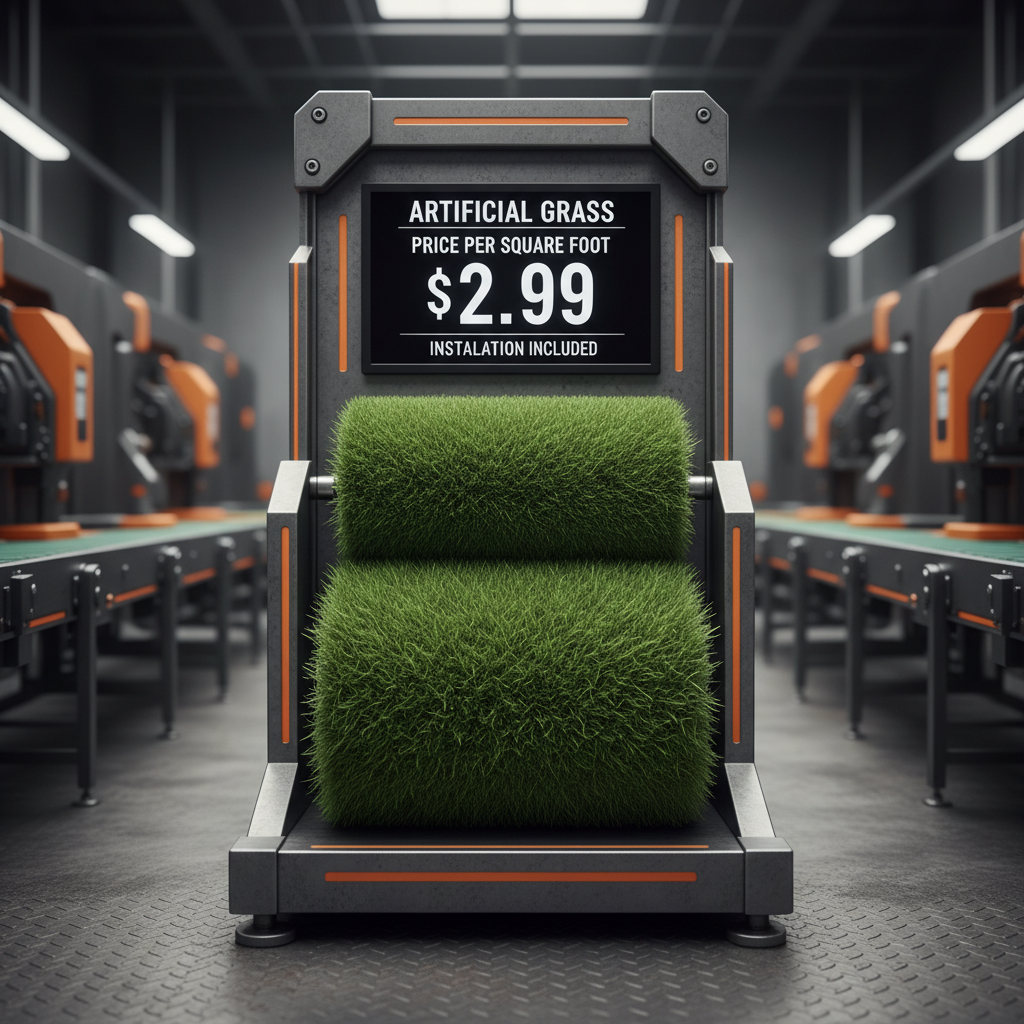
Introduction to artificial grass price per square foot
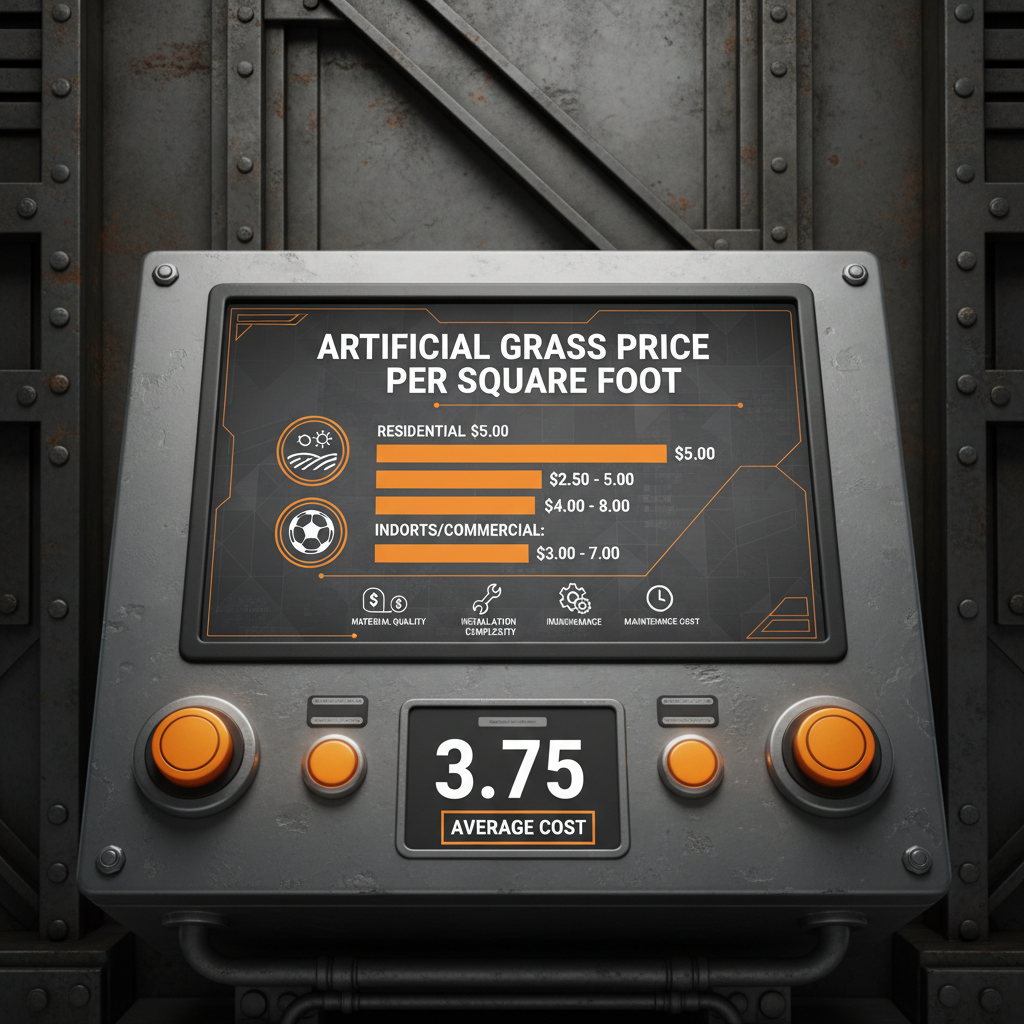
The artificial grass price per square foot is a dynamic figure, constantly shaped by raw material costs, manufacturing processes, and installation complexities. It's not simply a fixed number, but a reflection of a multifaceted market. Understanding these contributing elements is vital for accurate budgeting and project feasibility.
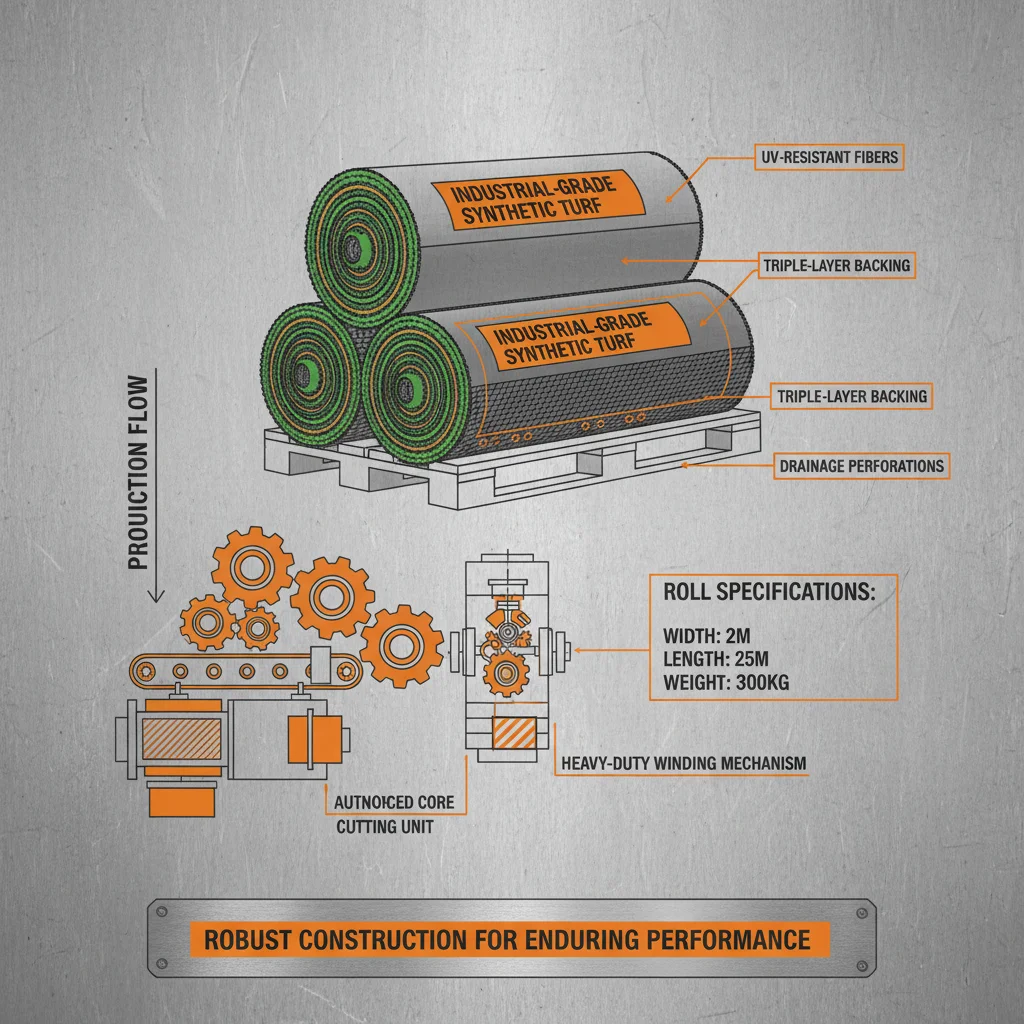
The perceived "cost" extends beyond the initial purchase. Factors like pile height, density, yarn material (polyethylene, polypropylene, nylon), and backing construction all play a significant role. Furthermore, installation costs – including ground preparation, infill materials, and labor – can often equal or exceed the cost of the grass itself.
Defining artificial grass price per square foot
Artificial grass price per square foot represents the total cost of acquiring and installing one square foot of artificial turf. This includes the cost of the turf itself, the necessary base materials (like crushed stone and sand), infill (the granules that support the blades and provide cushioning), and the labor involved in preparing the ground and laying the turf.
It's a crucial metric for comparing different turf options and estimating the overall investment required for a project. A low price per square foot might seem attractive initially, but it could indicate lower quality materials or a lack of necessary components, ultimately leading to a shorter lifespan and higher long-term costs.
This cost is deeply intertwined with modern urban planning and recreational needs. As cities grapple with water conservation and the demand for accessible green spaces, artificial turf provides a sustainable and cost-effective solution, making the artificial grass price per square foot a key consideration.
Core Factors Influencing the Cost
Several key factors dramatically affect the artificial grass price per square foot. The type of yarn used is a major driver; nylon is the most durable but also the most expensive, while polyethylene is a popular mid-range option. The density of the turf – measured in terms of stitches per square inch – also impacts the cost, with denser turf providing a more realistic look and feel, and therefore, commanding a higher price.
Installation complexity is another significant factor. Leveling an uneven ground, removing existing turf, and dealing with drainage issues all add to the labor costs. The accessibility of the installation site also plays a role; difficult access can require specialized equipment and increased manpower. Infill type (silica sand, crumb rubber, etc.) and the amount required also contribute to the overall artificial grass price per square foot.
Finally, brand reputation and warranty offerings influence pricing. Established brands with a proven track record of quality and customer support typically charge a premium. Longer warranties provide peace of mind and reflect the manufacturer's confidence in their product, justifying a higher price point.
Regional Variations in artificial grass price per square foot
The artificial grass price per square foot isn't uniform across the globe. Labor costs, transportation expenses, and local market demand all contribute to regional price differences. For example, installation costs tend to be higher in areas with a high cost of living.
Import duties and taxes can also significantly impact the price, particularly in regions that rely heavily on imported turf. Furthermore, climate conditions can influence the type of turf required, and specialized turf designed for extreme temperatures or high UV exposure may come with a higher price tag.
Comparing artificial grass price per square foot Across Installation Methods
Global Applications and Use Cases
The applications of artificial turf are incredibly diverse. Sports fields – including soccer, football, baseball, and rugby – benefit from its durability and consistent playing surface. Residential lawns are increasingly opting for artificial grass to reduce maintenance and water consumption.
Beyond these common uses, artificial turf is finding applications in playgrounds, pet areas, rooftop gardens, and even indoor landscaping. In post-disaster relief operations, rapid deployment of artificial turf can provide safe and clean recreational spaces for affected communities. In remote industrial zones, it offers a low-maintenance green aesthetic where natural grass struggles to thrive.
The Long-Term Value Proposition
While the initial investment in artificial turf may be higher than traditional grass, the long-term value proposition is often compelling. Reduced maintenance costs – no mowing, watering, fertilizing, or weeding – contribute to significant savings over the lifespan of the turf.
The enhanced durability and resilience of artificial turf minimize the need for repairs and replacements. This translates to lower lifecycle costs and a more sustainable solution. The aesthetic appeal and consistent appearance of artificial grass also add value, enhancing property appeal and user satisfaction.
Future Trends & Innovations in Pricing
The future of artificial turf is marked by continuous innovation. Recycled materials are becoming increasingly prevalent, reducing the environmental impact and potentially lowering the artificial grass price per square foot. Developments in fiber technology are leading to more realistic and durable turf options.
Smart turf systems – incorporating sensors and automated maintenance features – are emerging, offering optimized performance and reduced operational costs. Furthermore, advancements in installation techniques are streamlining the process and reducing labor expenses. Increased manufacturing efficiencies and economies of scale are also expected to contribute to more competitive pricing.
The integration of biodegradable backing materials is a significant trend, addressing end-of-life concerns and promoting a circular economy. These innovations will undoubtedly shape the future landscape of artificial grass price per square foot, making it an even more attractive and sustainable option.
Key Factors Affecting the Long-Term Cost-Effectiveness of Artificial Turf
| Turf Quality & Material |
Installation Quality |
Maintenance Regimen |
Environmental Factors |
| Fiber Type (Nylon, Polyethylene, PP) |
Base Preparation & Drainage |
Infill Level & Brushing Frequency |
UV Exposure & Temperature Fluctuations |
| Density & Pile Height |
Seam Strength & Adhesion |
Debris Removal & Sanitization |
Snow Load & Waterlogging Potential |
| Backing Construction & Durability |
Professional Installation vs. DIY |
Regular Inspections & Repairs |
Acid Rain & Pollution Levels |
| Warranty Length & Coverage |
Compliance with Safety Standards |
Preventative Maintenance Schedule |
Ground Stability & Soil Composition |
| UV Resistance Rating |
Correct Infill Type Selection |
Proactive Addressing of Wear & Tear |
Microbial Growth Potential |
| Colorfastness & Fade Resistance |
Proper Compaction of Base Materials |
Timely Replacement of Worn Components |
Wind Exposure & Turf Securement |
FAQS
Several key factors drive the cost, including the type of yarn (polyethylene, polypropylene, nylon), turf density, pile height, backing material, and installation complexity. Labor costs, transportation, and regional demand also play a role. Choosing a higher-quality turf with a denser pile generally results in a higher price per square foot, but often offers greater durability and a longer lifespan.
Installation can often equal or exceed the cost of the turf itself. Proper ground preparation, including leveling, removing existing vegetation, and installing a suitable base layer, is crucial. Drainage systems, infill materials, and the complexity of the installation site all contribute to the overall cost. A poorly installed surface can lead to premature wear and tear, negating any savings from a lower initial price.
High-quality artificial grass typically lasts 8-15 years, depending on usage and maintenance. Dividing the total cost (including installation) by the lifespan provides a useful cost-per-year metric. While the initial investment may be higher than natural grass, the lack of ongoing maintenance costs (mowing, watering, fertilizing) often results in lower long-term expenses.
Potential hidden costs can include unexpected ground preparation needs (e.g., rock removal), disposal fees for existing turf, and the cost of infill replenishment over time. It's important to obtain a detailed quote from a reputable installer that clearly outlines all associated expenses. Consider also the cost of annual maintenance, such as brushing and sanitizing.
While the initial cost of artificial grass is higher, it often proves more cost-effective over the long term. Natural grass requires regular mowing, watering, fertilizing, and pest control, all of which add up. Artificial grass eliminates these costs, and its durability reduces the need for frequent repairs or replacements. However, it's essential to factor in the cost of infill replenishment and potential maintenance.
The environmental impact is a growing concern. Traditional artificial grass uses materials that are not biodegradable. However, there's a growing trend towards using recycled materials and developing biodegradable backing options. These eco-friendly options may come with a slightly higher price per square foot, but offer a more sustainable solution. Reduced water consumption is a significant environmental benefit.
Conclusion
In conclusion, understanding the artificial grass price per square foot is about more than just finding the cheapest option. It's about considering the interplay of material quality, installation expertise, long-term maintenance, and environmental impact. By carefully evaluating these factors, you can make an informed decision that maximizes value and ensures a beautiful, durable, and sustainable outdoor space.
Looking ahead, innovations in materials and installation techniques will continue to shape the artificial turf market, potentially driving down costs and improving performance. Investing in high-quality turf and professional installation is essential for realizing the full long-term benefits. For accurate pricing and expert advice, visit our website: www.xiongyigrass.com.