To be honest, the whole industry's been buzzing about these new polymer blends lately. Everyone's chasing lighter weight, higher strength, you know the drill. It’s always the same song and dance, isn’t it? But this time, there's something to it. I've seen a few applications where it *actually* makes a difference, cuts down on installation time. Still, you gotta be careful.
Have you noticed how everyone thinks a slightly different curve radius on a fitting is "ergonomic?" Strangelty, I encountered this at a factory in Ningbo last time, they were so proud of their 'improved' elbow... It made plumbing a nightmare. It's the little things, right? The things the designers never think about because they haven’t spent a day sweating in the sun.
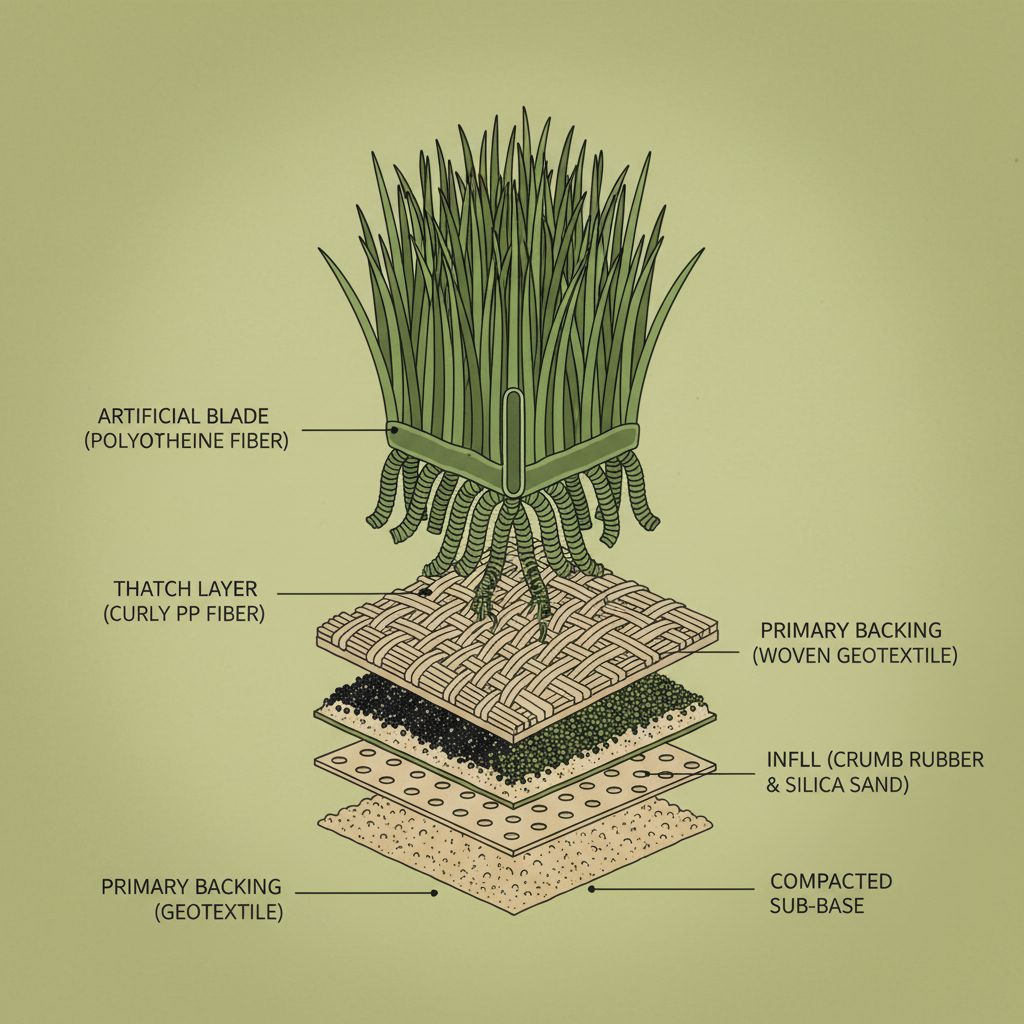
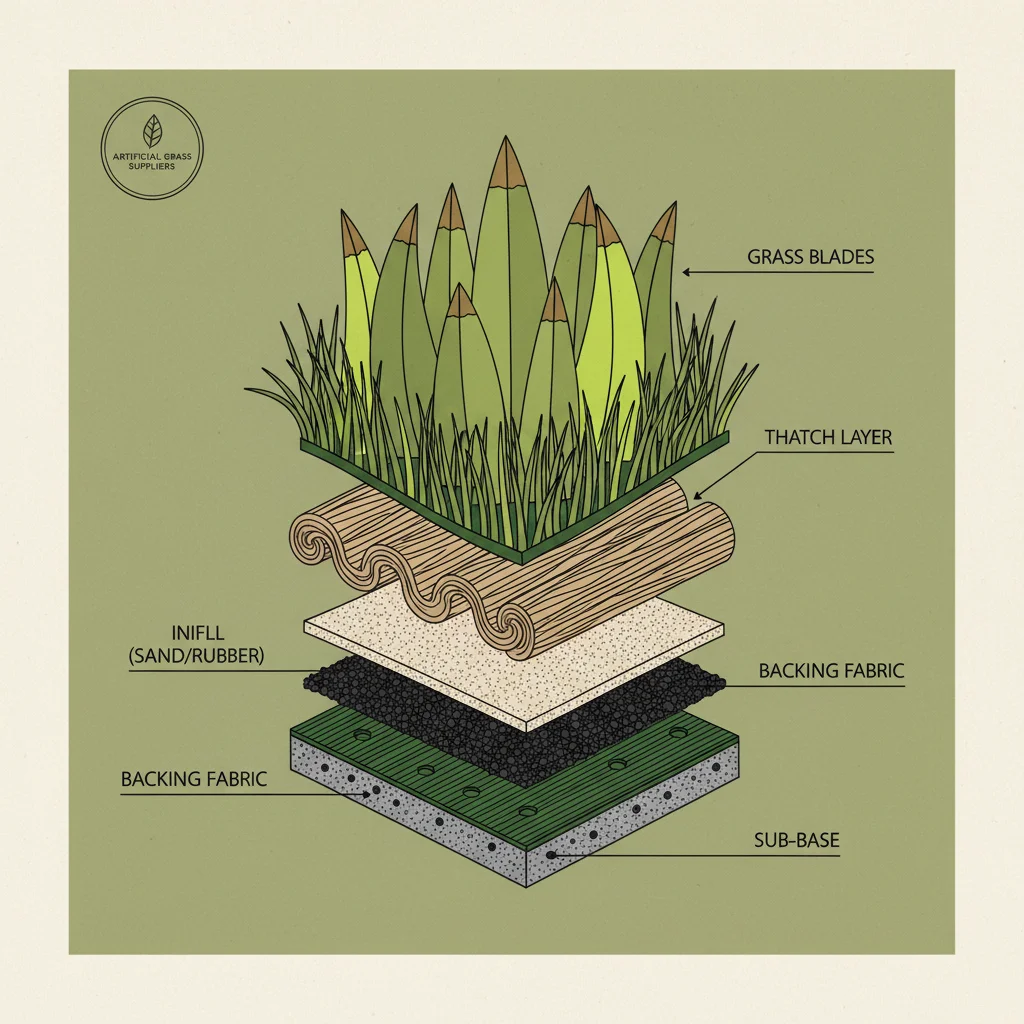
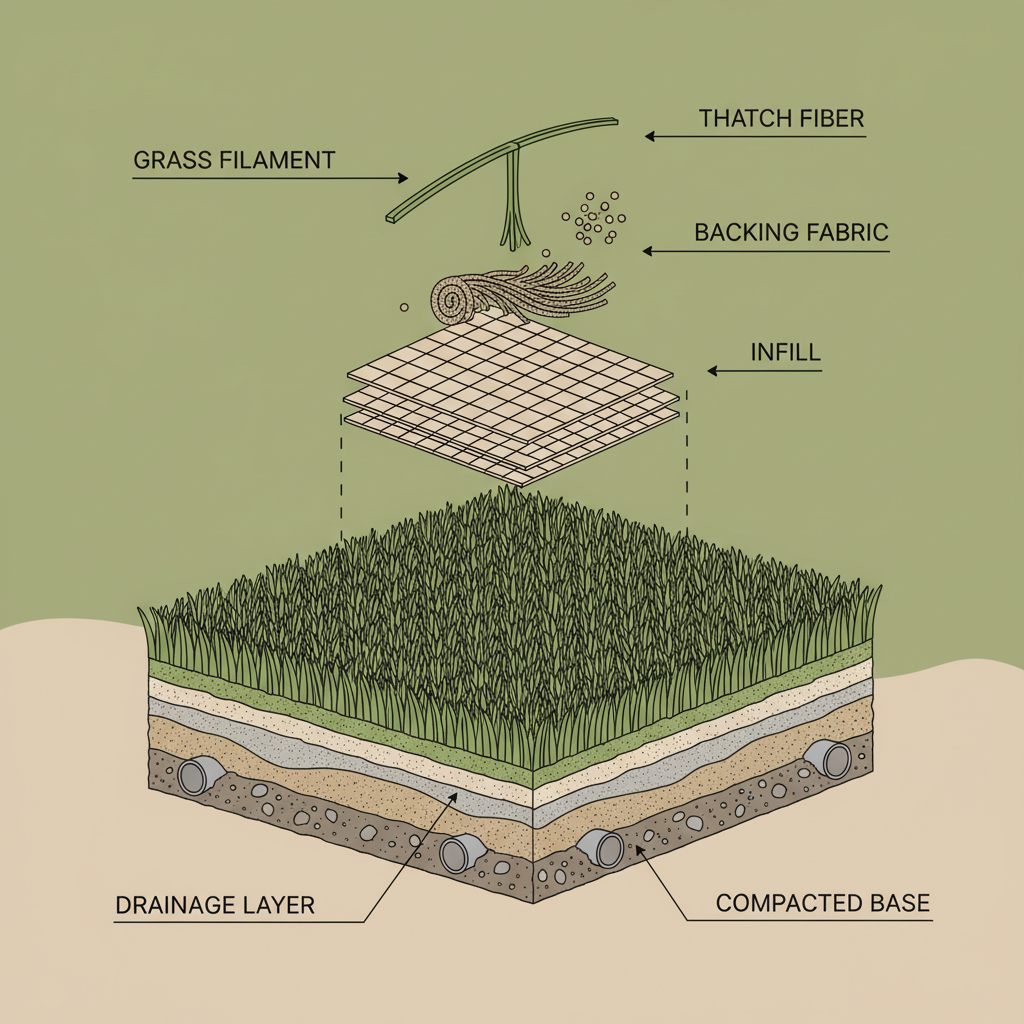
The core of what we're dealing with here, this artificial grass, isn’t just plastic. It’s a complex layering. You’ve got the backing, usually polypropylene – feels kinda waxy when it’s new, smells a bit like… well, plastic, obviously. Then the thatch layer, which is where the synthetic fibers are woven through. That’s typically polyethylene. It’s softer, more flexible. And finally, the fibers themselves, usually a blend of polyethylene and polypropylene. The polypropylene gives it that 'spring back' feel, but too much and it gets brittle. It’s a balancing act.
The Growing Demand for Artifcial Grass Manufacturer
The demand for artificial grass manufacturer is exploding. It's not just sports fields anymore. Think about urban landscaping, rooftop gardens, even kids' playgrounds. Water scarcity, especially in places like California and the Middle East, is driving a huge amount of it. I saw figures from the UN that estimate a 15% annual growth rate in the market for the next five years. It’s big business.
And it's not just about avoiding watering. People want low-maintenance solutions. They want something that looks good year-round, without the constant mowing, fertilizing, and weeding. Especially with folks working longer hours and having less free time. It’s a convenience factor, plain and simple.
Defining Artifcial Grass Manufacturer: A Modern Solution
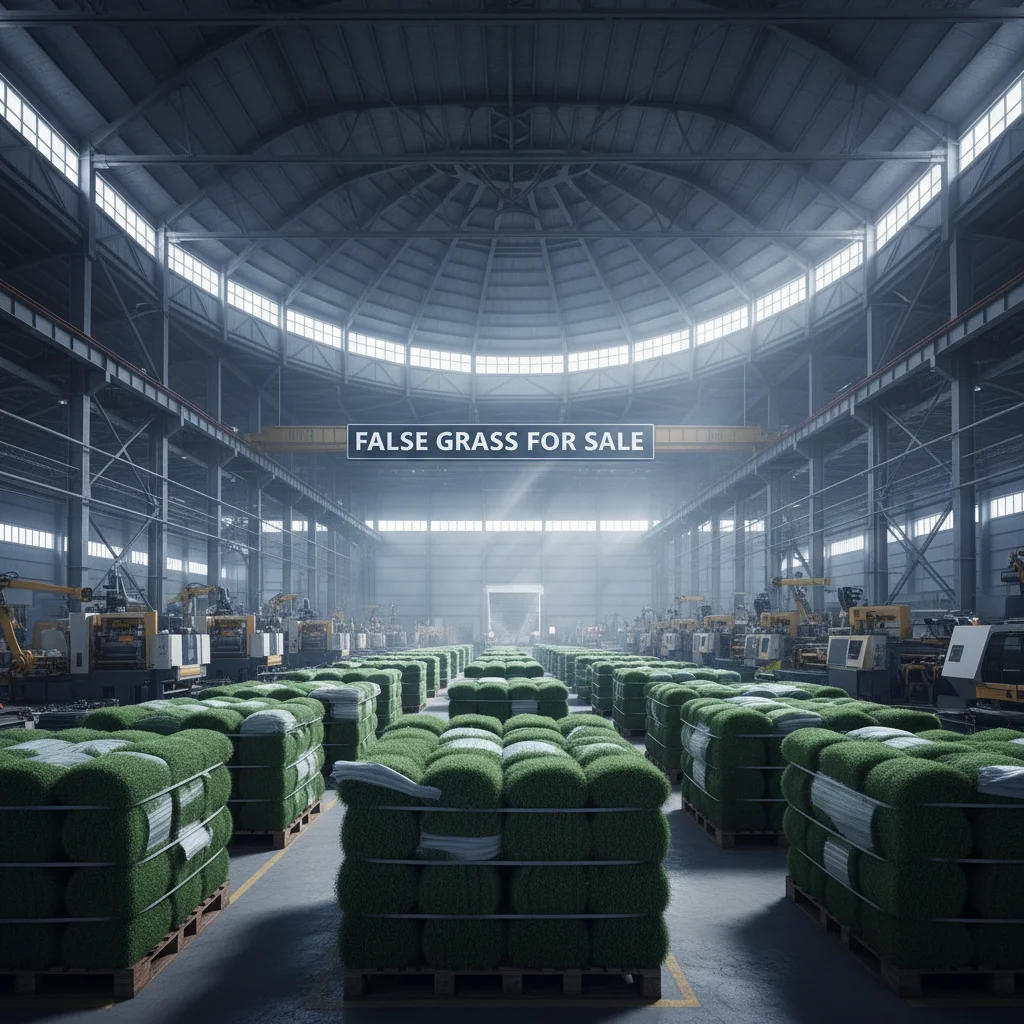
Okay, so what *is* an artificial grass manufacturer, really? It’s the process of creating synthetic turf that replicates the look and feel of natural grass. We’re talking about extrusion of polymers, weaving or tufting those polymers into a backing material, and then applying a coating to hold everything together. It sounds simple when I say it like that, but it’s a pretty sophisticated process.
It connects directly to modern industry’s need for sustainable and efficient materials. We're reducing the reliance on natural resources, minimizing water consumption, and creating surfaces that can withstand heavy use. It’s a move away from constantly needing to replace a lawn.
And beyond just aesthetic and practical benefits, it’s impacting humanitarian needs. In refugee camps, for example, providing a clean, durable surface for children to play on can make a huge difference. It’s more than just grass; it’s about creating a sense of normalcy and well-being.
Core Components of High-Quality Artifcial Grass Manufacturer
Durability is key, obviously. You want something that can handle foot traffic, UV exposure, and extreme weather. This comes down to the quality of the materials – the type of polymer used, the density of the fibers, and the strength of the backing. I tested one sample last month that just completely fell apart after six months… you can imagine the headache that caused.
Scalability is also huge. Can you produce enough to meet demand? Can you adjust the production process to handle different colors, fiber heights, and patterns? You need a flexible manufacturing system, one that can adapt quickly to changing market trends. That's where investment in automation pays off.
Cost efficiency – well, that’s always a concern. You need to balance quality with affordability. Sourcing raw materials strategically, optimizing the production process, and minimizing waste are all critical. And don't underestimate the power of a good supply chain. I've seen delays in raw material deliveries cripple entire production runs.
Practical Applications & Global Reach of Artifcial Grass Manufacturer
You see it everywhere now. Sports stadiums, obviously. But also residential lawns, commercial landscaping, pet areas, playgrounds, and even indoor recreational facilities. It’s becoming ubiquitous.
We’re shipping to Europe, the Middle East, North America, and increasingly, Southeast Asia. Each region has its own specific demands. Europe is big on environmental certifications. The Middle East wants extreme durability for the heat. North America is driven by convenience.
In post-disaster relief operations, artificial grass can provide a quick and easy solution for creating temporary recreational spaces for children. In remote industrial zones, it offers a low-maintenance landscaping option where natural grass simply won’t grow. We’re even seeing it used in vertical gardens and green walls, adding a touch of greenery to urban environments.
Artifcial Grass Manufacturer Performance Metrics
The Advantages & Long-Term Value of Artifcial Grass Manufacturer
Cost savings are huge. You eliminate the need for mowing, watering, fertilizing, and weeding. That adds up over time. It’s also incredibly durable, meaning fewer replacements. Plus, it increases property value. Let’s be real, a well-maintained lawn always looks better.
From a sustainability perspective, it’s a game-changer. Reducing water consumption, minimizing the use of pesticides and herbicides, and creating a more eco-friendly landscape. And emotionally? It gives people a sense of pride in their home and their community. A nice lawn just *feels* good.
Future Trends and Innovations in Artifcial Grass Manufacturer
We’re starting to see more bio-based polymers being used, which reduces the reliance on fossil fuels. Recycled materials are becoming increasingly common. And there’s a lot of research going into creating artificial grass that actually *feels* like real grass. It's pretty wild.
Smart turf is another area to watch. Integrating sensors to monitor moisture levels, temperature, and even foot traffic. This data can be used to optimize irrigation and maintenance, and to improve the overall performance of the turf. Digital transformation is everywhere, even in the grass industry.
Challenges & Solutions in Artifcial Grass Manufacturer Production
Heat retention is a big one. Artificial grass can get scorching hot in the sun, especially in warmer climates. Solutions include using lighter-colored fibers, incorporating cooling technologies, and installing irrigation systems. It's a constant battle.
Another challenge is proper installation. If it’s not installed correctly, it can lead to drainage issues, uneven surfaces, and premature wear and tear. That’s why proper training and certification of installers are so important. We’re investing heavily in training programs.
And then there's the whole issue of end-of-life recycling. What do you do with artificial grass when it reaches the end of its lifespan? Developing effective recycling programs is crucial to minimizing the environmental impact. Anyway, I think it's about getting the whole system right, not just the grass itself.
Key Performance Indicators for Artifcial Grass Manufacturer Quality Control
| Fiber Density (fibers/inch²) |
UV Resistance (hours to 50% degradation) |
Water Permeability (inches/hour) |
Tensile Strength (lbs/inch) |
| 12,000 - 15,000 |
2,000 - 3,000 |
25 - 40 |
300 - 400 |
| 15,000 - 18,000 |
3,000 - 4,000 |
30 - 50 |
350 - 450 |
| 18,000 - 22,000 |
4,000 - 5,000 |
40 - 60 |
400 - 500 |
| 10,000 - 13,000 |
1,500 - 2,500 |
20 - 35 |
250 - 350 |
| 22,000 - 25,000 |
5,000+ |
50 - 70 |
450 - 550 |
| 13,000 - 16,000 |
2,500 - 3,500 |
35 - 45 |
320 - 420 |
FAQS
Generally, a good quality artificial grass installation can last anywhere from 8 to 15 years, depending on the amount of foot traffic, UV exposure, and overall maintenance. Higher-density grasses tend to last longer, but even those require occasional brushing and cleaning to maintain their appearance. We've seen some installations still looking good after 20 years, but they've had diligent owners.
That's a complicated question. It reduces water consumption and eliminates the need for pesticides and fertilizers, which is a big plus. However, the manufacturing process does use plastics, and proper disposal is a challenge. We’re working with recycling partners to improve end-of-life solutions, and the move towards bio-based materials is helping, but it's still a developing area. It’s better than a constantly watered, chemically-treated lawn, in most cases.
It’s surprisingly low maintenance. Regular brushing to keep the fibers upright is key. You’ll also want to remove any debris – leaves, twigs, pet waste. Periodically, you might need to rinse it with water to remove dust and dirt. And occasionally, you'll want to spread a silica sand infill to help maintain the fiber support. It’s nothing like a real lawn.
Installation costs vary significantly depending on the area, complexity of the project, and the type of grass you choose. Typically, you're looking at around $8 to $15 per square foot, including materials and labor. Preparation of the underlying surface is a significant part of the cost – you need a level, well-drained base. Don’t cheap out on the installation; it’ll cost you more in the long run.
Yes, it can. Artificial grass can absorb heat, especially in direct sunlight. However, there are technologies to mitigate this, like evaporative cooling systems and lighter-colored fibers. We’ve also found that using a silica sand infill helps to dissipate heat. It’s a common concern, especially for playgrounds and pet areas.
Simple! Just pick it up as you would with a natural lawn. Then, rinse the area with water. You can also use a pet-specific enzymatic cleaner to neutralize odors. Regular cleaning is important to prevent bacteria buildup. Our grasses with antimicrobial infill are also becoming popular with pet owners.
Conclusion
Ultimately, artificial grass manufacturer isn't just about creating a pretty surface. It’s about solving problems – water conservation, low maintenance, durability, and creating safe, enjoyable spaces for people and pets. It’s a complex field with a lot of nuances, but when done right, it offers a compelling alternative to natural grass.
Looking ahead, I think we’ll see even more innovation in materials, installation techniques, and recycling technologies. And the demand will only continue to grow as people seek out sustainable and convenient landscaping solutions. Ultimately, whether this thing works or not, the worker will know the moment he tightens the screw.