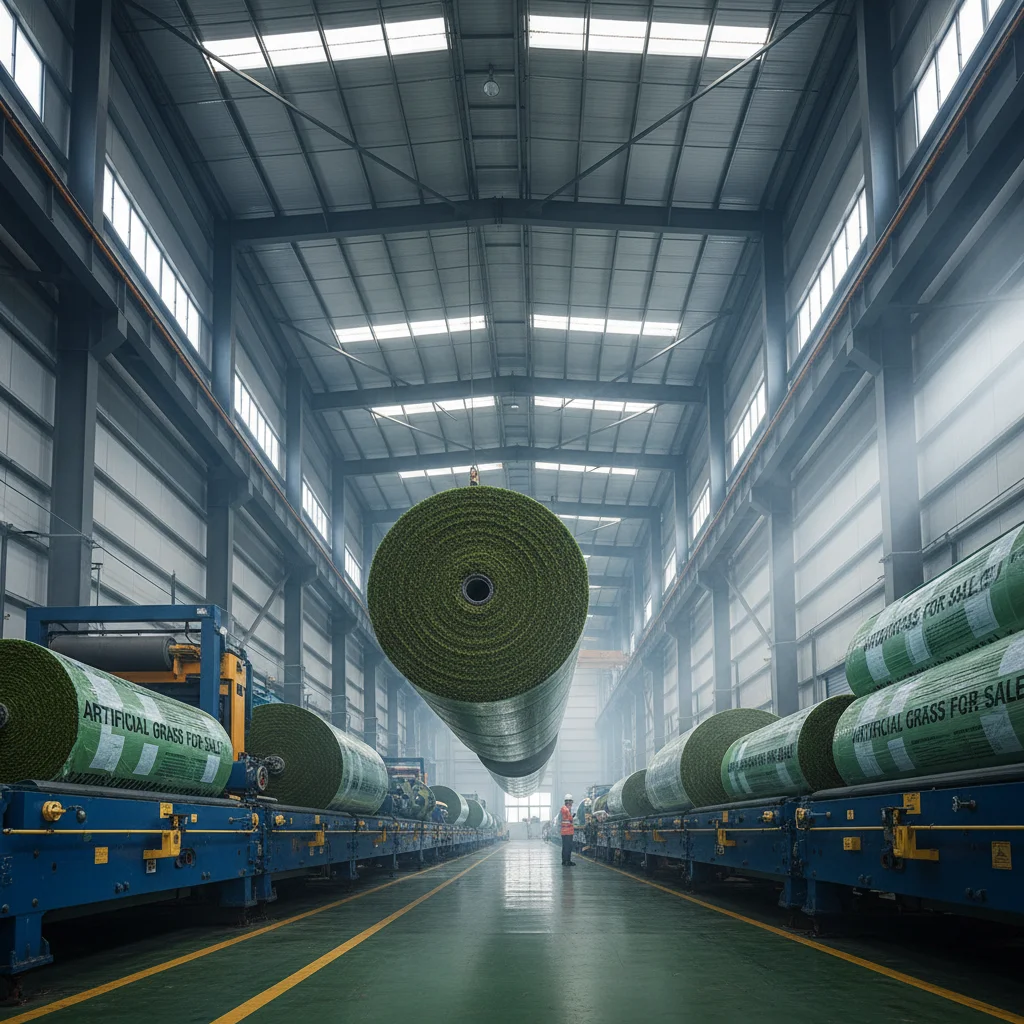
Honestly, the coloured artificial grass suppliers market has been buzzing lately. Seems everyone wants a splash of colour these days – not just green, you know? Used to be, you just specified the pile height and infill. Now? It’s ‘What shades of blue do you have?’ ‘Can we get a custom sunset gradient?’ It’s a whole different ball game. Been seeing a lot of demand from schools, playgrounds, even some folks doing quirky rooftop gardens.
To be honest, a lot of suppliers think they've cracked the colour code, but getting it *right*… that’s tricky. Have you noticed how some colours just fade to a sickly pastel within a season? It's a nightmare. The biggest trap I see is folks skimping on the pigment. You’ve got to use high-quality, UV-stable pigments. Cheap stuff just breaks down, and then you're dealing with angry customers and a whole lot of returns.
And the base materials... It’s not just about the polyethylene or polypropylene anymore. We’re talking about the backing, the infill, even the adhesives. We're using a lot of recycled materials now, which is good, but you have to be careful about consistency. I encountered this at a factory in Zhejiang last time. They were using a batch of recycled rubber that smelled… well, let's just say it wasn’t pleasant. You wouldn’t want that leaching into a playground, right?
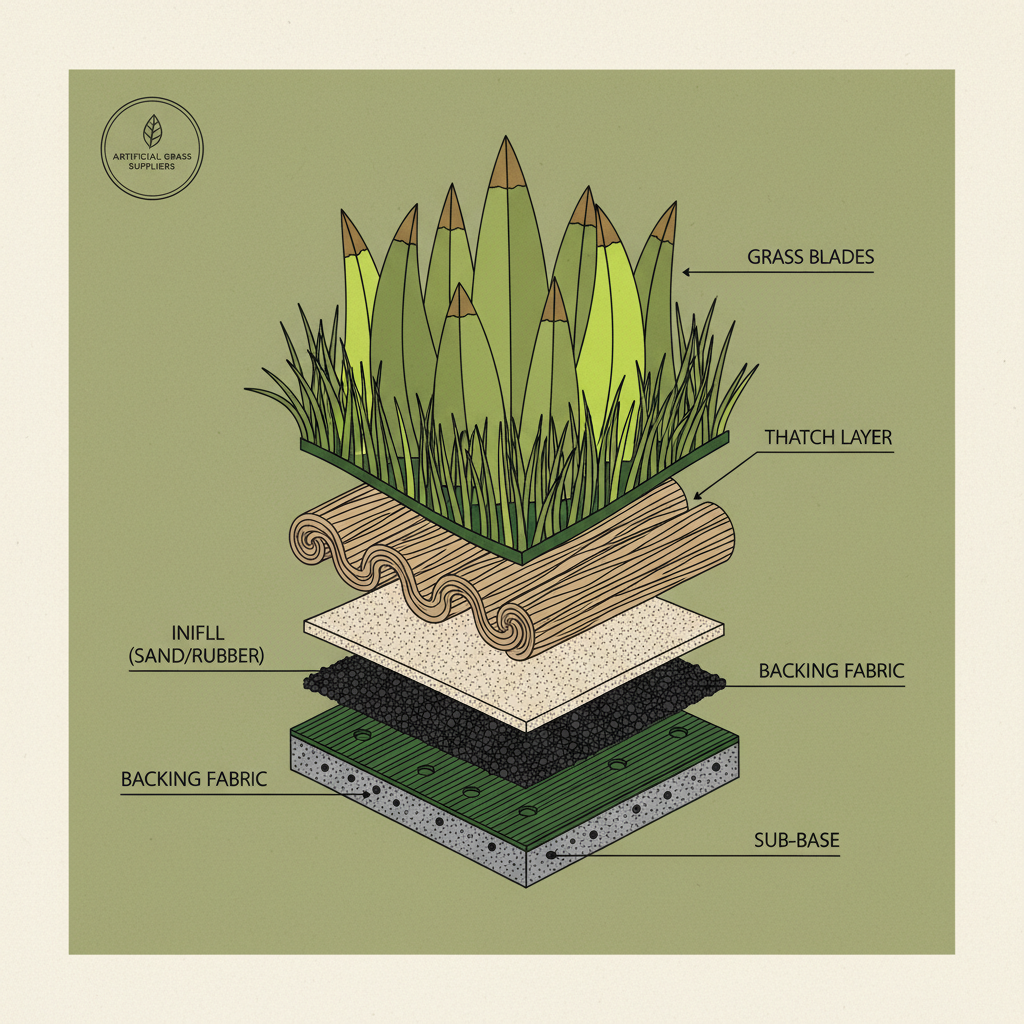
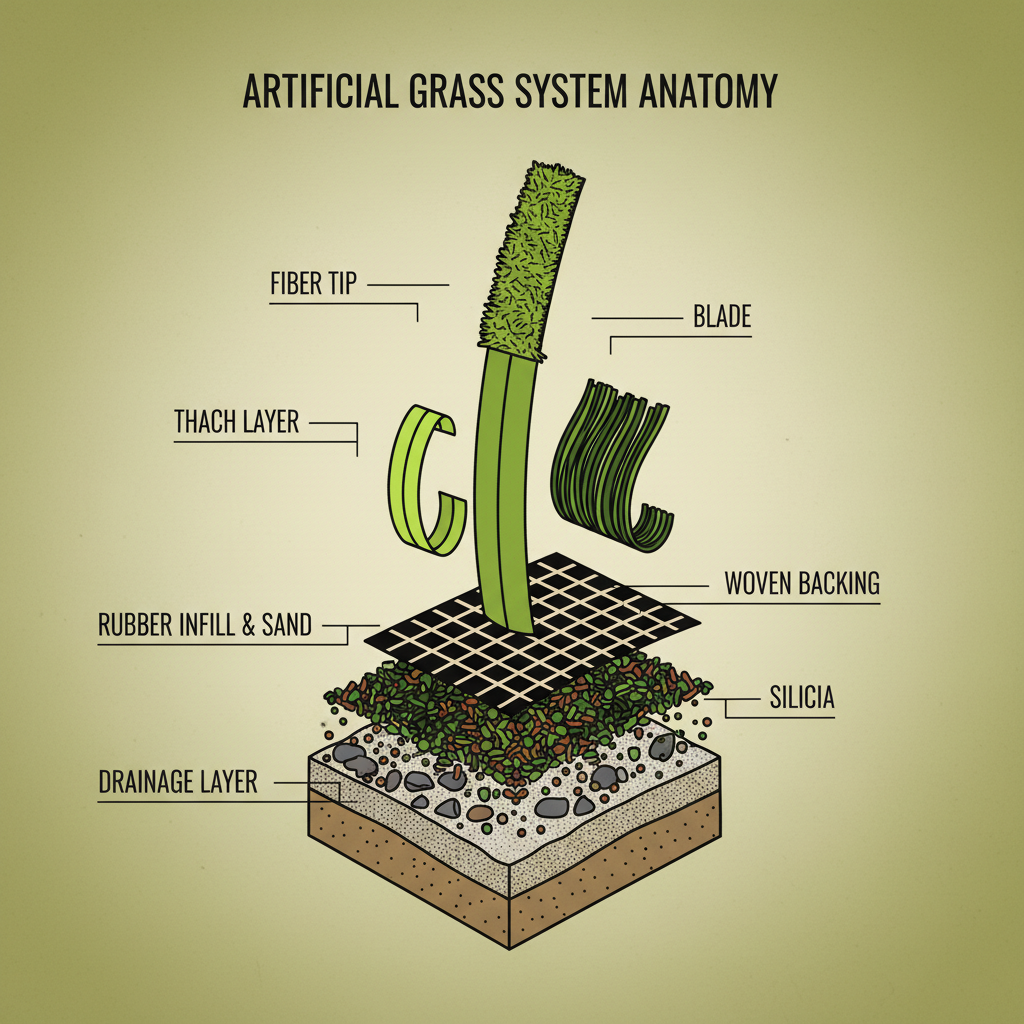
It’s a market shift, plain and simple. People want personality. They want something that stands out. Used to be, artificial grass was just about low maintenance. Now, it’s about creating an experience. And coloured artificial grass suppliers are at the forefront of that. Strangely, I've seen a lot of uptake in pet areas, too. Apparently, it hides the… well, you know.
We're seeing more commercial applications as well. Businesses are using coloured artificial grass suppliers to create branded spaces, outdoor event areas, and even temporary installations. It's a quick way to add a visual impact.
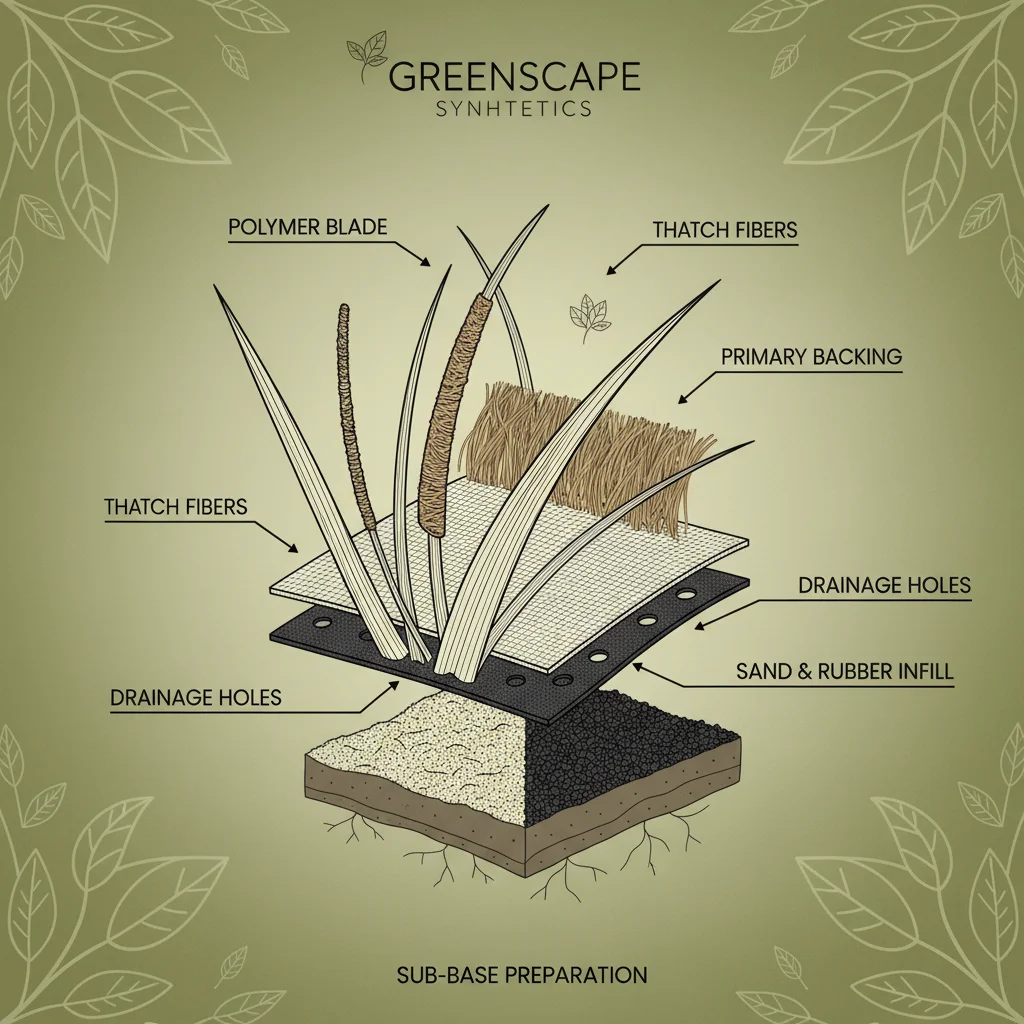
That depends, of course! A good quality installation, with proper maintenance, should last 8-10 years, easily. But it's not just about the grass itself. The backing, the infill, even the base preparation all play a role. We’ve seen some installations fail after just a few years due to poor base work. It's a whole system, not just a product. It really hinges on the UV stabilisation of the fibres, if the colour fades quickly, the fibres will become brittle and break down.
Generally, yes, but you need to choose the right products. Look for grass that’s free of heavy metals and phthalates. The infill is another important consideration – avoid anything that could be toxic if ingested. And always ensure proper drainage to prevent bacteria buildup. You have to use a low-emission adhesive as well – you don’t want to be breathing that stuff. We've seen some cheaper options use materials that definitely aren't safe for little ones.
A lot less than natural grass, obviously! But it’s not zero maintenance. You’ll need to brush it regularly to keep the fibres upright, remove any debris, and occasionally top up the infill. We recommend a deep clean once or twice a year to remove dirt and bacteria. You might need to remove leaves or snow depending on your climate. It is fairly low maintenance compared to natural grass, though.
It can, definitely. Darker colours absorb more heat. There are ways to mitigate this, though. You can use a cooling infill, or install a watering system to keep the surface cool. Shade is also a big help, of course. We’ve been experimenting with different fibre types that reflect more heat, and those seem to be promising. You also want to ensure proper drainage to assist with cooling.
Absolutely! That's one of the big advantages. We can create custom colour blends, patterns, and even logos. We’ve done everything from simple stripes to complex designs. The only limit is your imagination (and your budget!). The key is to work with a supplier who has experience with custom projects. The more complex the design, the more expertise you’ll need.
It varies wildly depending on the quality of the materials, the complexity of the installation, and the location. But as a rough estimate, you're looking at anywhere from $20 to $60 per square meter. The colour itself usually adds a small premium. Don’t just go for the cheapest option, though. You get what you pay for. A poorly installed, low-quality installation will end up costing you more in the long run.
So, coloured artificial grass suppliers is a dynamic field. It’s about more than just green carpet these days. It's about creating customized, durable, and visually appealing spaces that meet the needs of a diverse range of customers. From playgrounds to rooftops, the applications are endless. But, it’s crucial to focus on quality materials, proper installation, and ongoing maintenance.
Ultimately, whether this thing works or not, the worker will know the moment he tightens the screw. If it feels right, looks right, and performs right, then you’ve got a good product. If not… well, you’ve got a problem. Visit our website at coloured artificial grass suppliers to learn more.



Hit enter to search or ESC to close