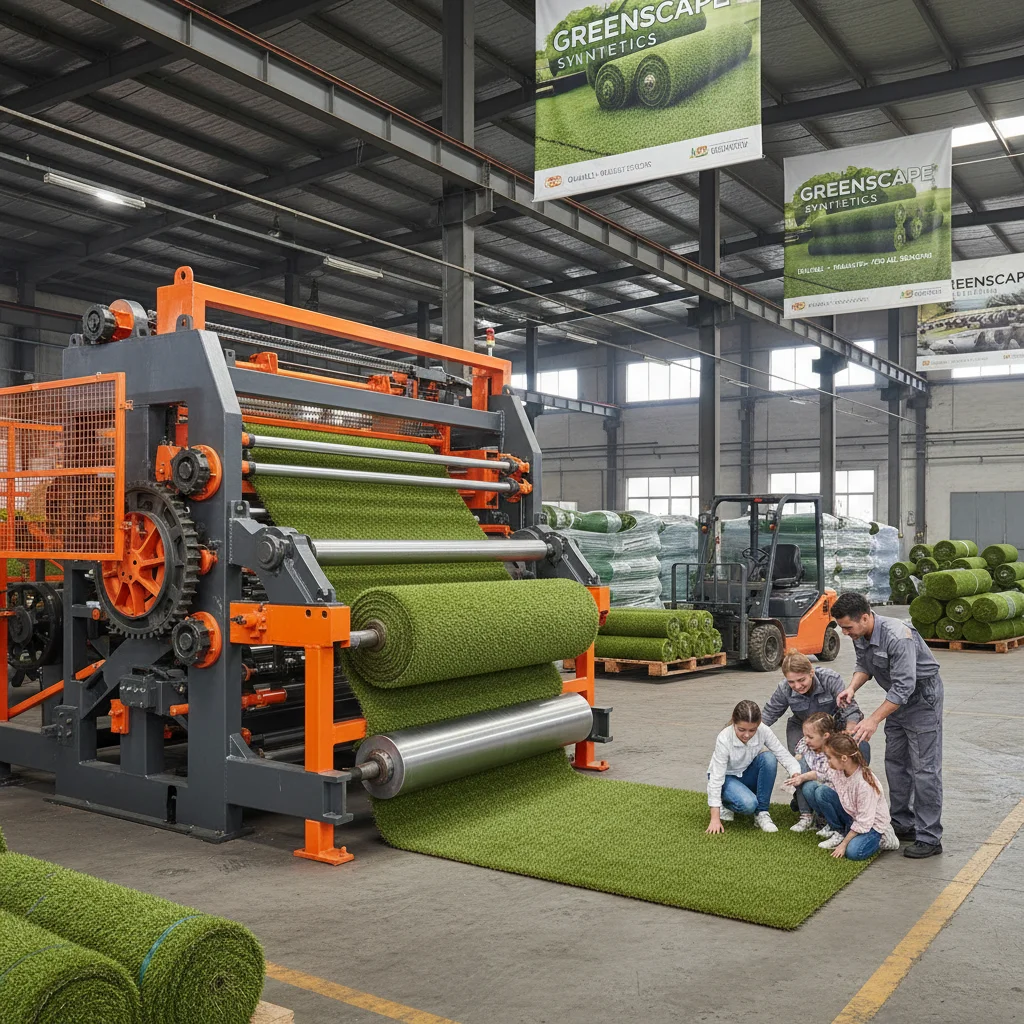
Artificial grass square feet price – it’s a question I hear constantly on job sites, from homeowners dreaming of a low-maintenance lawn to landscape architects juggling budgets. It’s more than just a cost per square foot; it’s about long-term value, installation complexities, and the overall return on investment. Understanding these factors is crucial because, let's be honest, a cheap price upfront can quickly turn into a costly headache down the road. We’re talking about durability, realistic appearance, and how well it holds up to actual use – kids playing, pets running around, and weather beating down.
The global demand for artificial turf is skyrocketing, driven by water scarcity issues, especially in arid and semi-arid regions. The UN estimates that water stress affects every continent, impacting billions of people. Artificial turf offers a sustainable solution in these areas, eliminating the need for irrigation and reducing water consumption. According to industry reports, the global artificial turf market is projected to reach over $28 billion by 2028. It's a massive market, but navigating the price variations – the real artificial grass square feet price – requires careful consideration.
The challenge is often that clients focus solely on the initial cost. They see a low price per square foot advertised and think they're getting a deal. But they often haven’t factored in the preparation work, the quality of the infill, the installation labor, or the lifespan of the product. That’s where experience comes in – being able to break down all those components and provide a realistic estimate for the overall cost of ownership.
The Core Concept of artificial grass square feet price
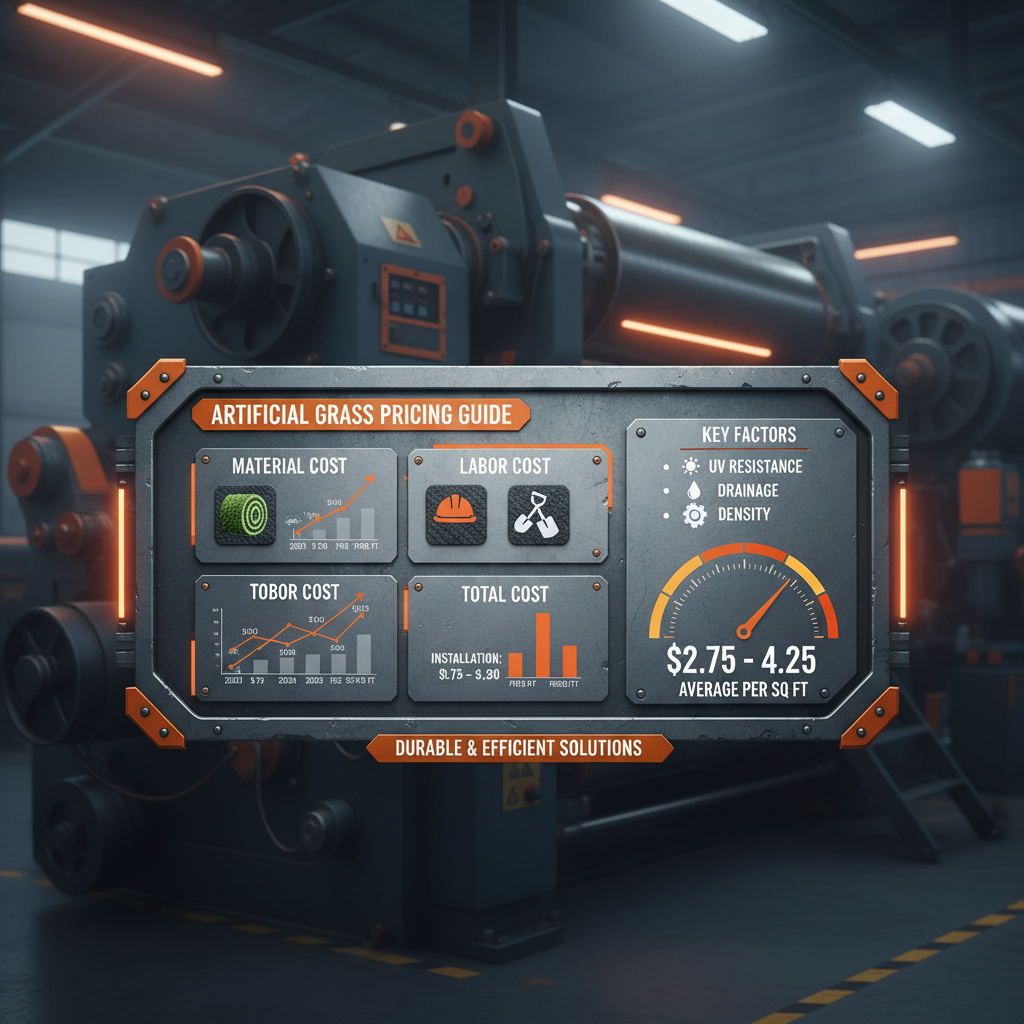
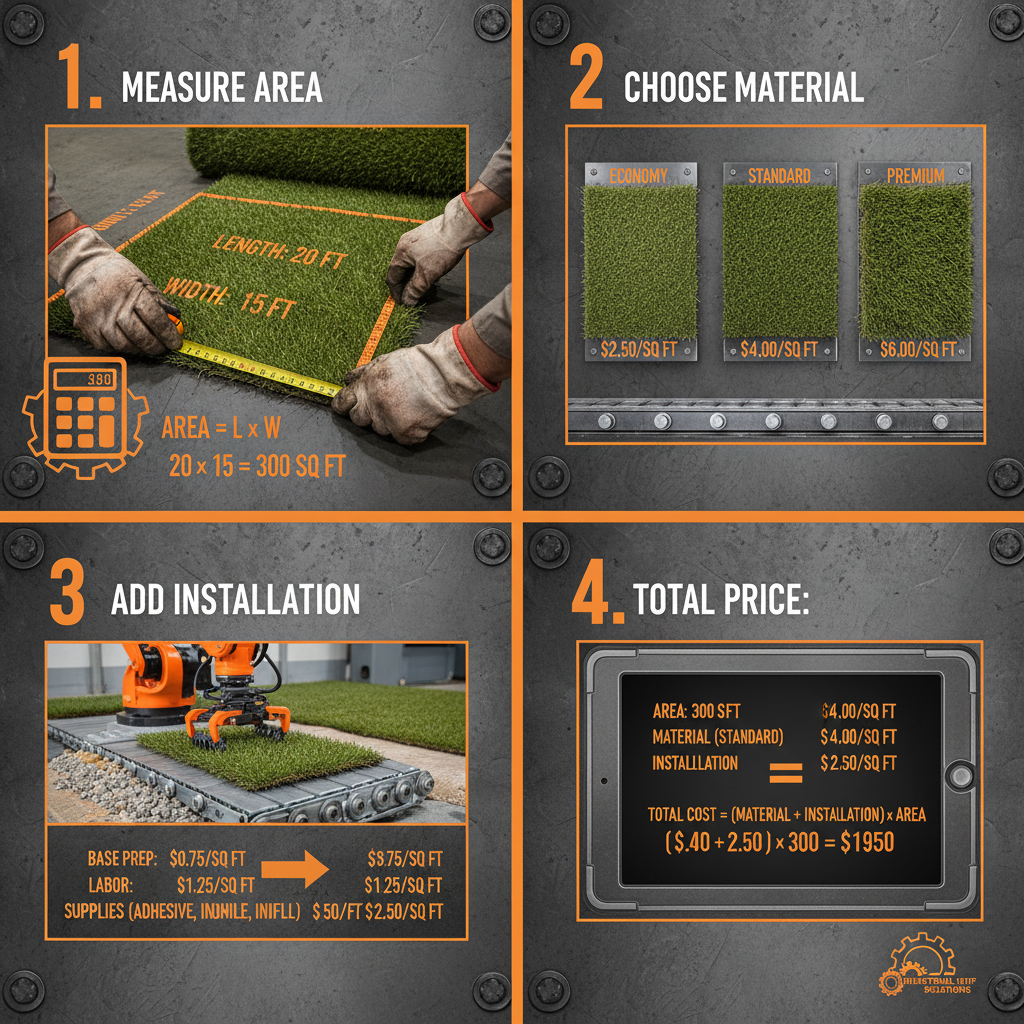
At its simplest, artificial grass square feet price represents the cost of materials and installation needed to cover one square foot of ground with artificial turf. But that’s a vast oversimplification. The price swings dramatically based on the type of turf (fiber height, density, material – polyethylene, polypropylene, nylon), the quality of the backing, the infill used, and the complexity of the installation site. I've seen prices range from under $3 a square foot for basic builder-grade turf to over $15 for high-end, realistic-looking options with advanced drainage systems.
From my experience, understanding the grading and base preparation is half the battle. A properly prepared base – compacted gravel and sand – is critical for longevity and performance. Skimping here will lead to uneven surfaces, drainage issues, and premature wear. Clients often don’t realize how much that base work contributes to the total artificial grass square feet price.
Understanding the Global Landscape of artificial grass square feet price
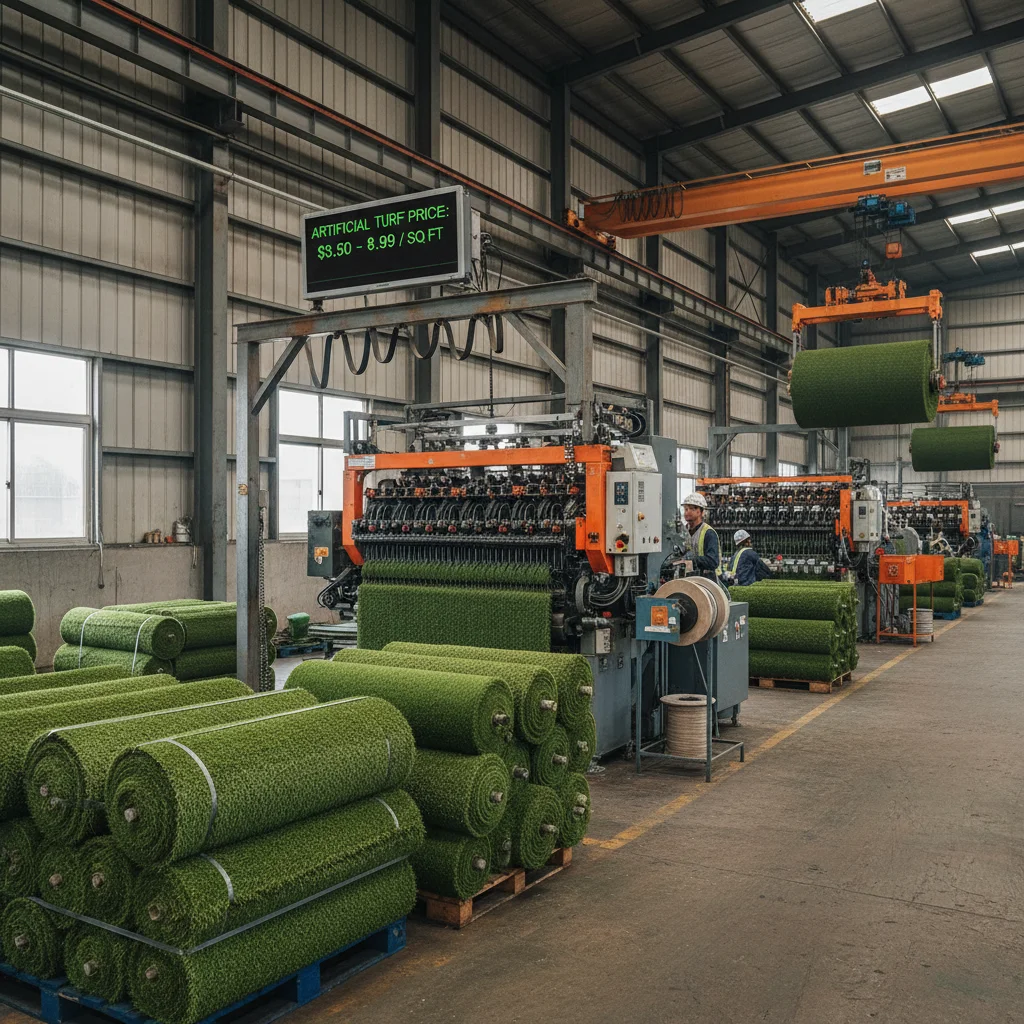
The global market heavily influences price. China is a major manufacturer of artificial turf, so fluctuating production costs and shipping rates have a direct impact. Supply chain disruptions, like we saw during the pandemic, can drive prices up quickly. Different regions also have varying labor costs, which significantly affect the installation portion of the artificial grass square feet price.
You’ll see differences in pricing based on whether you’re buying wholesale (for large-scale projects) or retail (for a small residential lawn). Wholesalers can offer lower prices due to volume discounts, but you’ll need to handle the logistics and installation yourself. We often work with contractors who buy wholesale and then add their markup for installation and project management.
Regulations also play a role. Some regions have stricter requirements for turf safety and environmental impact, which can lead to higher-priced products. For example, California’s Proposition 65 affects the materials used in artificial turf, leading to a demand for safer, albeit more expensive, alternatives. Keeping abreast of these regulations is vital when quoting artificial grass square feet price.
Defining artificial grass square feet price and its Relevance
Essentially, artificial grass square feet price is the metric used to compare the cost-effectiveness of different turf options. However, it’s crucial to look beyond the headline number. You need to consider the entire package – materials, installation, maintenance, and lifespan. A lower price per square foot might seem appealing, but if the turf only lasts 5 years, while a more expensive option lasts 15, the long-term cost will be much higher.
Its relevance stems from the increasing demand for sustainable landscaping solutions. As water conservation becomes more critical, artificial turf is gaining popularity as a viable alternative to natural grass. Understanding the artificial grass square feet price allows homeowners and businesses to make informed decisions about their landscaping investments, balancing cost with environmental benefits and long-term value.
From a project management standpoint, accurately calculating the artificial grass square feet price is fundamental to staying within budget and delivering a successful project. It requires detailed site assessments, accurate measurements, and a thorough understanding of the market and available materials.
Key Factors Influencing artificial grass square feet price
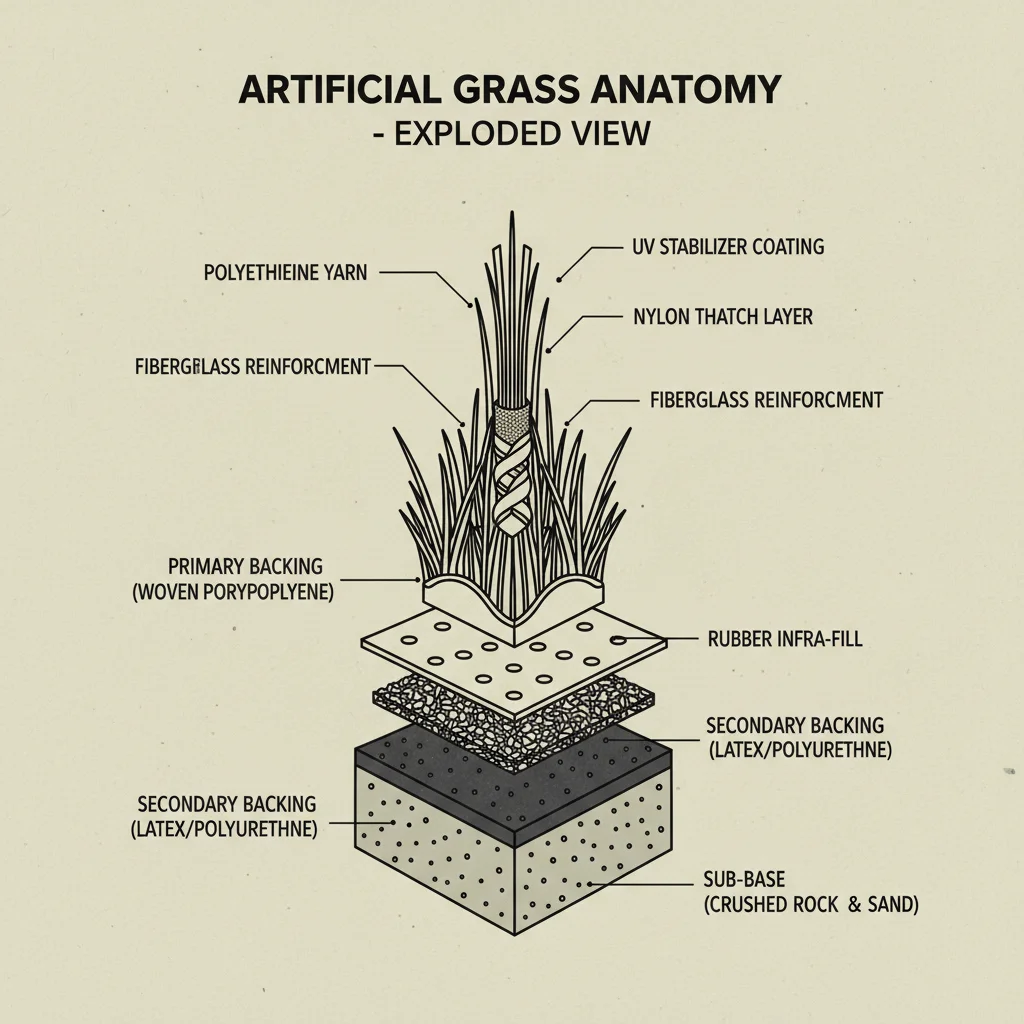
Several key components drive the artificial grass square feet price. Fiber type is a big one – polyethylene (PE) is the most common and affordable, polypropylene (PP) is softer but less durable, and nylon is the most durable but also the most expensive. Fiber density (stitches per square inch) impacts the turf’s realism and resilience; higher density means a higher price.
Then you have the backing material. Woven polypropylene is standard, but some turfs use more advanced backing systems with enhanced drainage and durability. The infill – the material that supports the fibers and provides cushioning – is also a significant factor. Silica sand is the most affordable, but crumb rubber (recycled tires) offers better cushioning and is often preferred for play areas. Newer infill options, like cork or coconut coir, are becoming popular for their environmental benefits, but they come with a higher price tag.
Factors Impacting artificial grass square feet price
Global Applications and Use Cases of Artificial Grass
We're seeing artificial turf pop up everywhere, far beyond just residential lawns. Sports fields are a huge market – football, soccer, baseball – especially where natural grass struggles to survive due to heavy use or climate conditions. Schools and parks are increasingly opting for artificial turf to reduce maintenance costs and provide a safer playing surface.
Commercial applications are also growing. Businesses are using artificial turf for rooftop gardens, patio areas, and even indoor displays. In arid regions, municipalities are using it to create green spaces that require minimal water. In post-disaster relief operations, quick-install artificial turf can provide a temporary recreational surface for displaced communities.
Advantages and Long-Term Value of Artificial Turf
The biggest advantage, hands down, is reduced maintenance. No mowing, watering, fertilizing, or weeding. This translates to significant cost savings over the lifespan of the turf. It also saves time and effort, freeing up homeowners and groundskeepers to focus on other tasks. Beyond that, a well-maintained artificial lawn looks good year-round, regardless of the weather.
Environmentally, artificial turf can reduce water consumption and eliminate the need for harmful pesticides and herbicides. It’s a more sustainable option for regions facing water scarcity. From a safety perspective, modern artificial turf provides a consistent, shock-absorbing surface that can reduce the risk of injuries.
Future Trends and Innovations in Artificial Turf Technology
We’re seeing a lot of innovation in the industry right now. Manufacturers are developing more realistic-looking turf with improved fiber technology and color palettes. Cooling technology – incorporating materials that reflect heat – is becoming increasingly popular in warmer climates. There's also a growing focus on sustainability, with manufacturers using recycled materials and developing biodegradable turf options.
Smart turf systems are on the horizon, incorporating sensors to monitor moisture levels, temperature, and wear. This data can be used to optimize maintenance schedules and extend the lifespan of the turf. Drainage systems are becoming more sophisticated, preventing waterlogging and ensuring a safe, playable surface even after heavy rainfall.
Digitalization is playing a role too, with companies using drones and 3D modeling to create precise installation plans and visualize the finished product for clients. These advancements will ultimately impact the artificial grass square feet price but offer greater long-term value.
Summary of Key Challenges and Solutions in Artificial Turf Implementation
| Challenge |
Impact on artificial grass square feet price |
Potential Solution |
Cost Implications |
| High Initial Cost |
Increases the overall artificial grass square feet price significantly. |
Phased installation, exploring financing options. |
Moderate (financing costs). |
| Complex Site Preparation |
Adds to the labor costs, impacting the artificial grass square feet price. |
Thorough site assessment, efficient machinery use. |
Low to Moderate (depending on site conditions). |
| Drainage Issues |
Requires additional drainage systems, increasing artificial grass square feet price. |
Installation of subsurface drainage, permeable base materials. |
Moderate to High (depending on drainage needs). |
| Infill Migration |
Leads to uneven surface, requires periodic replenishment, impacting long-term artificial grass square feet price. |
Using high-quality infill, proper installation techniques. |
Low to Moderate (cost of higher-quality infill). |
| Heat Retention |
Can make the surface uncomfortable, requiring cooling solutions, increasing artificial grass square feet price. |
Using cooling infills, installing shade structures. |
Moderate to High (depending on cooling solution). |
| Environmental Concerns (Recycling) |
Disposal of old turf is costly and environmentally unfriendly, impacting the lifecycle artificial grass square feet price. |
Choosing recyclable turf materials, promoting turf recycling programs. |
Low to Moderate (cost of recycling programs). |
FAQS
The biggest drivers of cost are turf quality (fiber type, density, pile height), base preparation, infill material, and installation complexity. A properly prepared base is critical, and high-quality turf with advanced features will naturally be more expensive. Labor costs also vary by region. Don't solely focus on the advertised price per square foot – consider the entire package.
Over a decade, artificial turf typically becomes more cost-effective than maintaining a natural lawn, especially in areas with water restrictions or high maintenance costs. While the initial investment is higher, you eliminate expenses like mowing, watering, fertilizing, and weeding. Natural lawns also require significant time and effort, which has a value as well. It’s a long-term investment that pays off in savings and convenience.
A high-quality artificial turf installation can last 15-20 years with proper maintenance. Lower-quality turf may only last 8-10 years. When calculating the artificial grass square feet price, consider the lifespan. A more expensive, longer-lasting option may ultimately be more cost-effective per year than a cheaper, shorter-lived turf.
Silica sand is the most affordable, but crumb rubber provides better cushioning. Newer options like cork and coconut coir are eco-friendly but pricier. The best choice depends on the intended use. Play areas benefit from crumb rubber's cushioning, while environmentally conscious homeowners may prefer cork. Infill selection significantly impacts both performance and the artificial grass square feet price.
Site preparation is crucial and often underestimated. It involves clearing the area, leveling the ground, and installing a compacted base of gravel and sand. The amount of preparation varies depending on the existing terrain. More extensive leveling and drainage work will increase the cost, potentially adding $2-$5 per square foot to the artificial grass square feet price.
Yes, potential hidden costs include landscape fabric, edging materials, permits (depending on your location), and potential removal of existing grass or debris. Always get a detailed quote that breaks down all costs upfront. It’s also wise to factor in a small contingency for unexpected issues that may arise during installation.
Conclusion
Understanding the artificial grass square feet price isn’t just about finding the lowest number; it’s about evaluating the entire value proposition. Consider the long-term benefits – reduced maintenance, water conservation, and increased durability – alongside the initial investment. A well-planned installation with quality materials will provide years of enjoyment and savings, far outweighing the upfront cost.
As technology continues to advance, we’ll see even more innovative and sustainable artificial turf options emerge. Staying informed about these advancements and working with experienced professionals will be key to making the right decision for your needs. Ready to explore how artificial turf can transform your space? Visit our website: https://www.xiongyigrass.com