Alright, so artificial grass carpet supplier… Honestly, it's been a wild ride these last few years. Used to be, it was just for soccer fields, right? But now? Everywhere. From rooftop bars to tiny balconies, folks are putting it down. Big trend is moving away from the super-cheap stuff, you know, the kind that falls apart after a season. People want durability, and they're willing to pay for it.
What's really interesting is how much folks underestimate the ground prep. You'd think it's just laying down a carpet, but no. If the base isn't level, compacted properly… forget about it. You'll get dips, bubbles, the whole nine yards. I spent a week last spring helping a crew redo a whole putting green because the initial install skimped on the base work. A total mess.
And honestly, everyone's talking about 'eco-friendly' options. Which is… complicated.
The Current Landscape of artificial grass carpet supplier
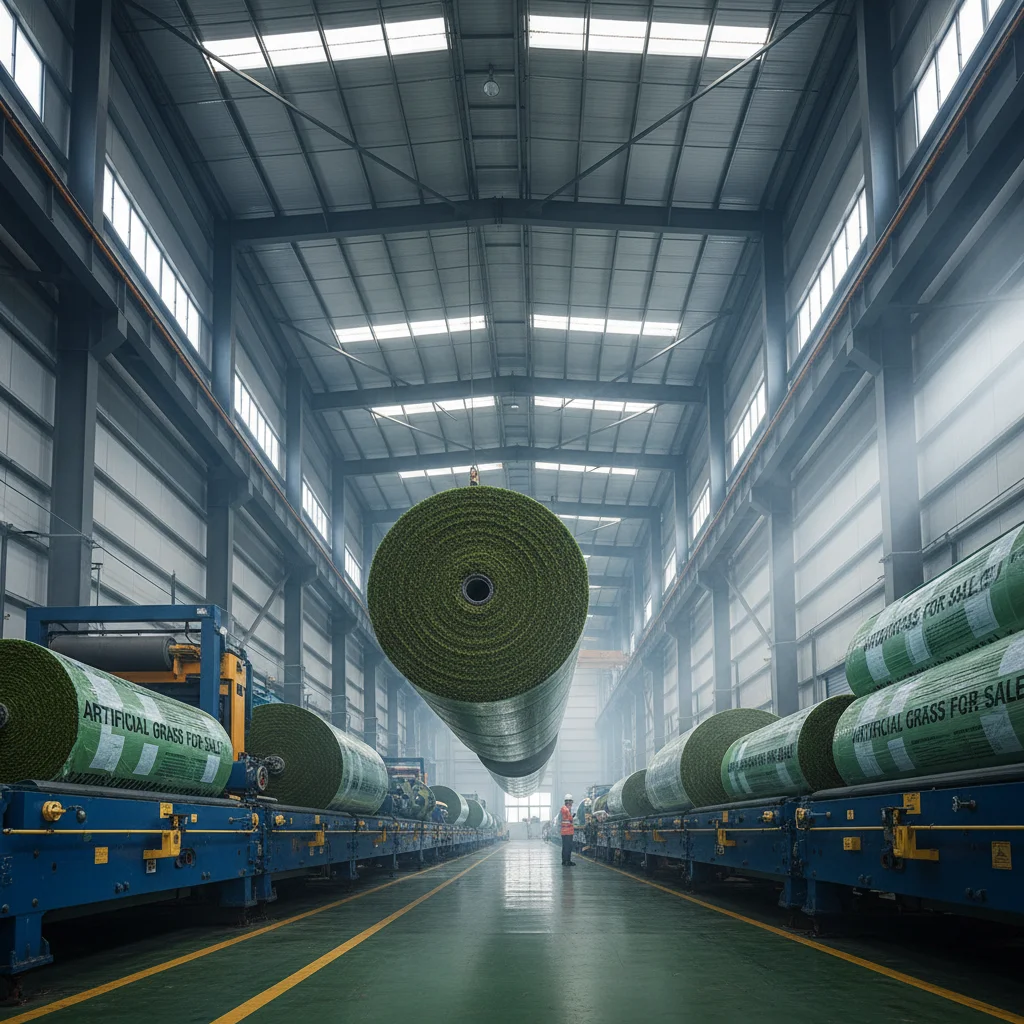
To be honest, the market's flooded. You've got the big manufacturers in China, churning out miles of the stuff. And then you have smaller guys, focusing on niche markets – pet-friendly turf, ultra-realistic landscaping, that sort of thing. The demand is still growing, especially in urban areas where space is at a premium. People want green, but they don't always *have* green.
I encountered this at a factory in Guangdong last time… they were trying to pass off recycled rubber as a premium infill. Smelled awful, felt gritty. You gotta be careful. It’s gotten so competitive, a lot of suppliers cut corners.
Design Pitfalls and Common Mistakes
Have you noticed how many installs look… unnatural? That overly-perfect, almost plastic look? It's usually because they didn’t get the pile height and color variation right. You need different shades of green, different blade shapes. It’s about mimicking nature, not replicating it perfectly.
Another thing: drainage. People often forget about drainage. Rain has to go *somewhere*. If it doesn’t, you end up with a swamp. I've seen entire yards flooded after a heavy rain because the installer didn't slope the base properly or install a proper drainage system. It's not glamorous work, but it's critical.
And the seam lines... Ugh. Those can be a nightmare. If they aren't fused properly, they'll lift and become trip hazards. It requires skilled labor, which, let's be real, is getting harder and harder to find.
Material Selection and On-Site Handling
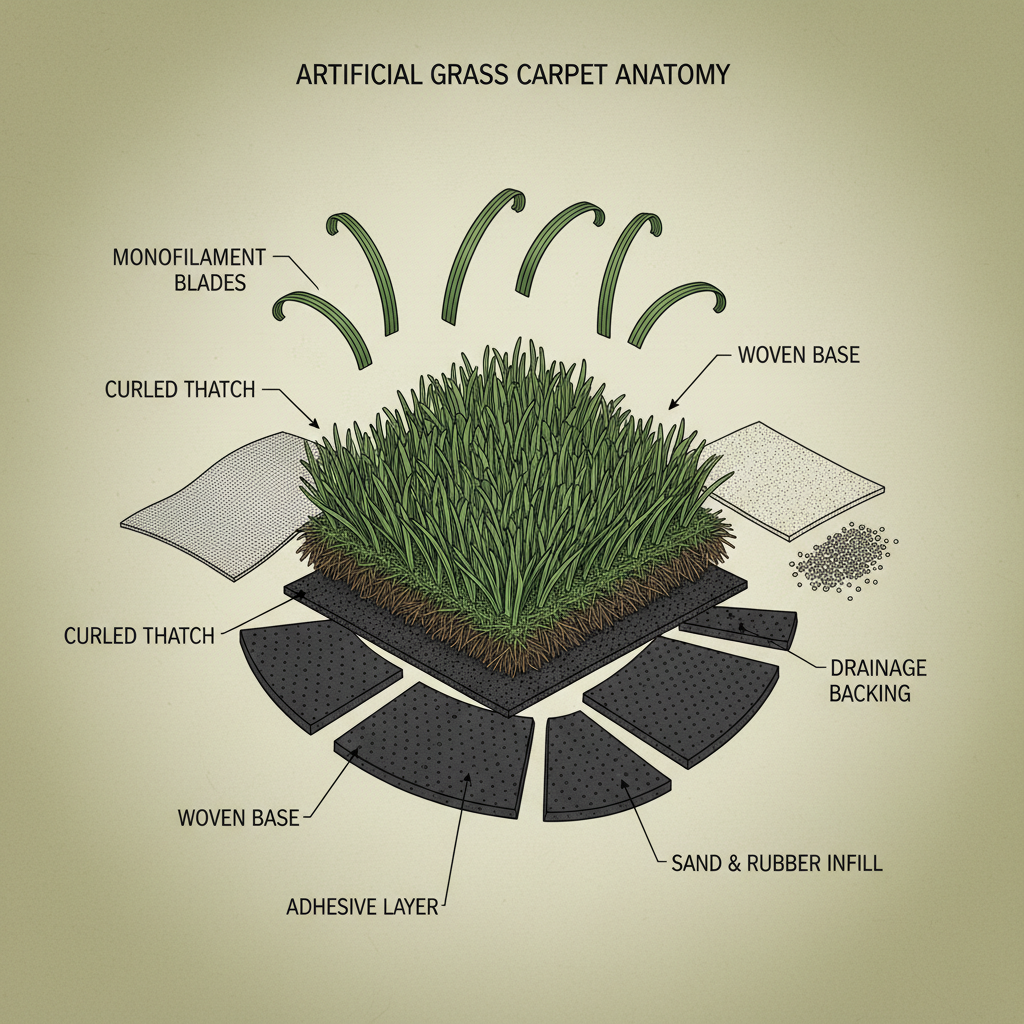
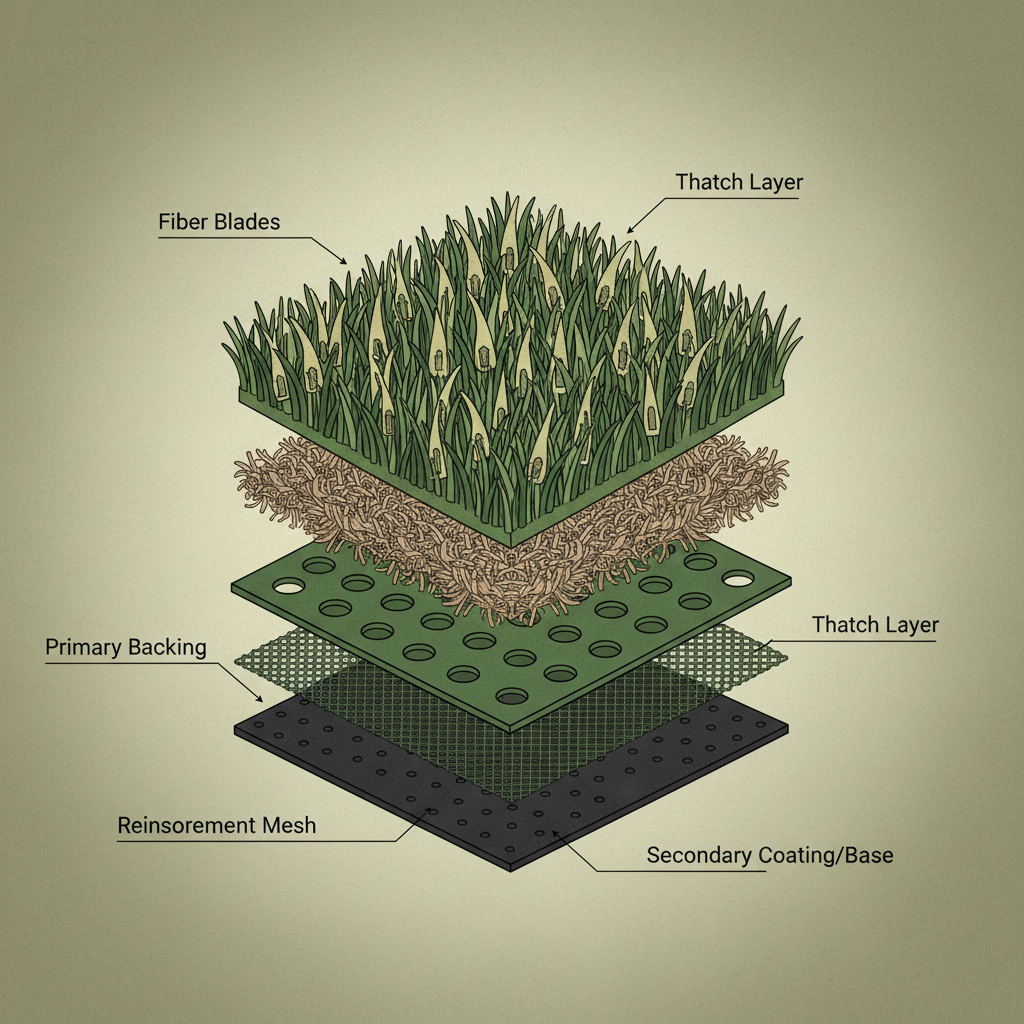
The yarn itself… that's where a lot of the quality difference lies. Polyethylene (PE) is common, it’s soft and relatively inexpensive. Polypropylene (PP) is cheaper still, but it doesn’t hold up as well to wear and tear. Then you’ve got polyamide (PA), or nylon, which is the most durable, but also the most expensive. Feels different too, more… resilient.
The infill is just as important. The classic is crumb rubber – recycled tires. Smells like tires, naturally. Some folks don’t like that smell. There are alternatives – silica sand, coconut coir, even cork. Each has its pros and cons. The silica sand can get really hot in the sun, and the coir breaks down over time.
Handling on-site… strangely, a lot of guys treat it like just another material. But you gotta protect it from UV exposure before installation, keep it dry. Prolonged sun exposure can degrade the yarn, and moisture can lead to mold and mildew. Sounds ridiculous, but it happens.
Real-World Testing and Performance
Forget the lab tests, those are okay for initial quality control, but they don’t tell the whole story. I want to see it *used*. I want to see how it holds up to foot traffic, to pets, to the elements.
We do a lot of wear testing, just literally walking on it, over and over, with different shoes. And we test the UV resistance by leaving samples out in the sun for months, checking for color fading and yarn degradation. We also do a simple pull test - how much force does it take to pull a blade out? Tells you a lot about the stitch rate and yarn lock.
artificial grass carpet supplier Performance Metrics
User Behavior and Unexpected Applications
Anyway, I think people use it in ways we never anticipated. Dog runs are huge, obviously. But also, I’ve seen it used on balconies in high-rise buildings to create little "yards" for small dogs. And golf practice areas, in people's backyards – that's becoming really popular.
It’s not always about aesthetics. Sometimes it’s about safety. I worked with a daycare center that installed artificial grass around their playground to reduce injuries. Less bruising, fewer scrapes. Makes sense.
Advantages, Disadvantages, and Customization
The advantages are clear: low maintenance, always green, good drainage if installed correctly. But there are drawbacks. It can get hot in direct sunlight, and it doesn’t have the same cooling effect as natural grass. And let's be honest, it’s not *natural*. There's something about the feel of real grass under your feet that you just can’t replicate.
Customization is definitely possible. We had a client last month – a small boss in Shenzhen who makes smart home devices – insisted on changing the interface to for some reason. I still don't understand why. It added cost and complexity, and honestly, didn’t really improve anything. But hey, it was his money. We can also adjust the pile height, color, density, even add custom logos.
Longevity and Future Trends in artificial grass carpet supplier
A good install, with quality materials, should last 8-10 years, easily. But it depends on the usage. High-traffic areas will wear out faster. And, you know, kids and pets. They're tough on everything.
Looking ahead, I think we’ll see more bio-based materials being used. Less reliance on petroleum-based plastics. And smarter infills – materials that help regulate temperature and improve drainage. And potentially more recycled options – fully recyclable turf is the holy grail, but we're not quite there yet.
There is a lot of talk about 'smart turf', incorporating sensors to monitor moisture levels, temperature, and even foot traffic. Sounds fancy, but I'm not convinced there's a huge market for it.
Summary of Key Performance Indicators
| Material Type |
Durability Score (1-10) |
Maintenance Level (Low, Med, High) |
Cost Factor (Low, Med, High) |
| Polyethylene (PE) |
7 |
Low |
Med |
| Polypropylene (PP) |
5 |
Low |
Low |
| Polyamide (PA) |
9 |
Med |
High |
| Crumb Rubber Infill |
6 |
Low |
Low |
| Silica Sand Infill |
8 |
Low |
Med |
| Coconut Coir Infill |
4 |
Med |
Med |
FAQS
Honestly, it's skimping on the base preparation. You absolutely *have* to have a solid, level, compacted base. Otherwise, you're setting yourself up for problems down the road – dips, bubbles, uneven wear. It's the foundation of everything, literally. Don’t try to save a few bucks there; it'll cost you more in the long run. I've seen it countless times.
That's a common one. Regular rinsing with water is key. And there are enzymatic cleaners specifically designed for artificial turf that break down the odor-causing bacteria. Avoid harsh chemicals, they can damage the grass. The infill type also matters; some are better at absorbing odors than others. Good ventilation helps, too.
It's complicated. It eliminates the need for watering and mowing, which saves resources. But it *is* a plastic product, and the manufacturing process has an environmental impact. The crumb rubber infill is also a concern for some. More eco-friendly options are emerging – bio-based yarns, recycled infills – but they're not quite mainstream yet. It’s a trade-off.
A good quality install should last 8-10 years, easily. But it depends on the usage. High-traffic areas will wear out faster. Kids and pets, especially, can take a toll. Regular brushing and maintenance can extend its lifespan. Sun exposure is also a factor; UV rays can degrade the yarn over time.
Polyethylene (PE) is softer and more durable than polypropylene (PP). It feels more natural underfoot and holds up better to wear and tear. PP is cheaper, but it doesn't last as long and can get matted down easily. For most residential applications, PE is the better choice, even though it’s a little more expensive upfront.
Yes, it can. Especially darker colors. That's why it’s important to choose a lighter color and consider an evaporative cooling system, like a misting system, if you live in a hot climate. Some newer turf products are designed with heat-reducing technologies, but they tend to be more expensive.
Conclusion
So, artificial grass carpet supplier… it's come a long way. It’s not a perfect solution, but it’s a viable option for a lot of folks, especially in situations where natural grass just won’t grow or is too difficult to maintain. It's about finding the right balance between cost, durability, and aesthetics. Understanding the materials, the installation process, and the potential drawbacks is key.
Ultimately, whether this thing works or not, the worker will know the moment he tightens the screw. You can read all the specs, look at all the charts, but at the end of the day, it's about feel. It's about seeing how it performs in the real world. And that takes experience. That takes getting your boots dirty.